

How To Future Proof Your Home
This article looks at ways you can future proof your home so you can continue to live there as you grow older. None of us like the thought of losing our independence, we want to continue to live in our own home following our own set of rules. It can feel hard to slot in somewhere else.
Your children may well welcome you with open arms but it’s not quite the same as being under your own roof. Multi-generational living comes with its own issues, having to negotiate a new set of rules and boundaries. They might be worried about how much privacy they will have or how the finances will work out. Without adequate planning families can fall out and the elderly person is back to square one finding somewhere suitable to live.
A care home comes with its own set of worries. The elderly person might feel nervous because they do not know their new carers. So, it makes sense to make adaptations to your home so you can stay where you are happiest. As much as none of us want to think about growing old, there is no ignoring the fact that the years soon pass, and our health may start to deteriorate.
Here are some ways you can future proof your home:
Fitting An Intercom
As you get older your movement is much slower. It can be helpful fitting an intercom so you can let expected guests in remotely. Ideally think about having video installed too so you can be extra cautious who you let enter your property.
Getting Around Your House
Stairs are dangerous as you age as you become unsteady on your feet. You might also have problems with your vision which means you miss your footing on the steps. As we get older we lose our muscle strength and flexibility. Many elderly people eventually install stair lifts to get round this. But in the interim handrails can make a big difference supporting the elderly as they walk upstairs. Even better if you can install a handrail on each side. Furthermore it helps to stay active as you get older, so your body is more flexible and can cope with challenges like the stairs. There are lots of exercises the elderly can try to improve their balance.
Another consideration is to make sure you have what you need both upstairs and downstairs. Then you don’t have to carry things whilst walking on the stairs. Instead have your hand firmly on the handrails, you cannot do that if you have your arms full of other things. To get round this some start living single story lives but that does mean you are not utilizing all the space in your property. In that situation stair lifts can seen a sensible investment.
Think about footwear
Future proofing your home can be as simple as buying better shoes to wear indoors! Poorly fitting shoes are blamed for thousands of falls a year in the over 65’s. Footwear can impact your balance; you will want to invest in shoes and slippers with slip resistant soles and low heels.
Technology makes life easier
Smart home devices can make a difference. For example, Alexa can work as a digital companion, so the elderly aren’t as lonely. They can get updates on the weather, play music and have reminders when they need to take medication.
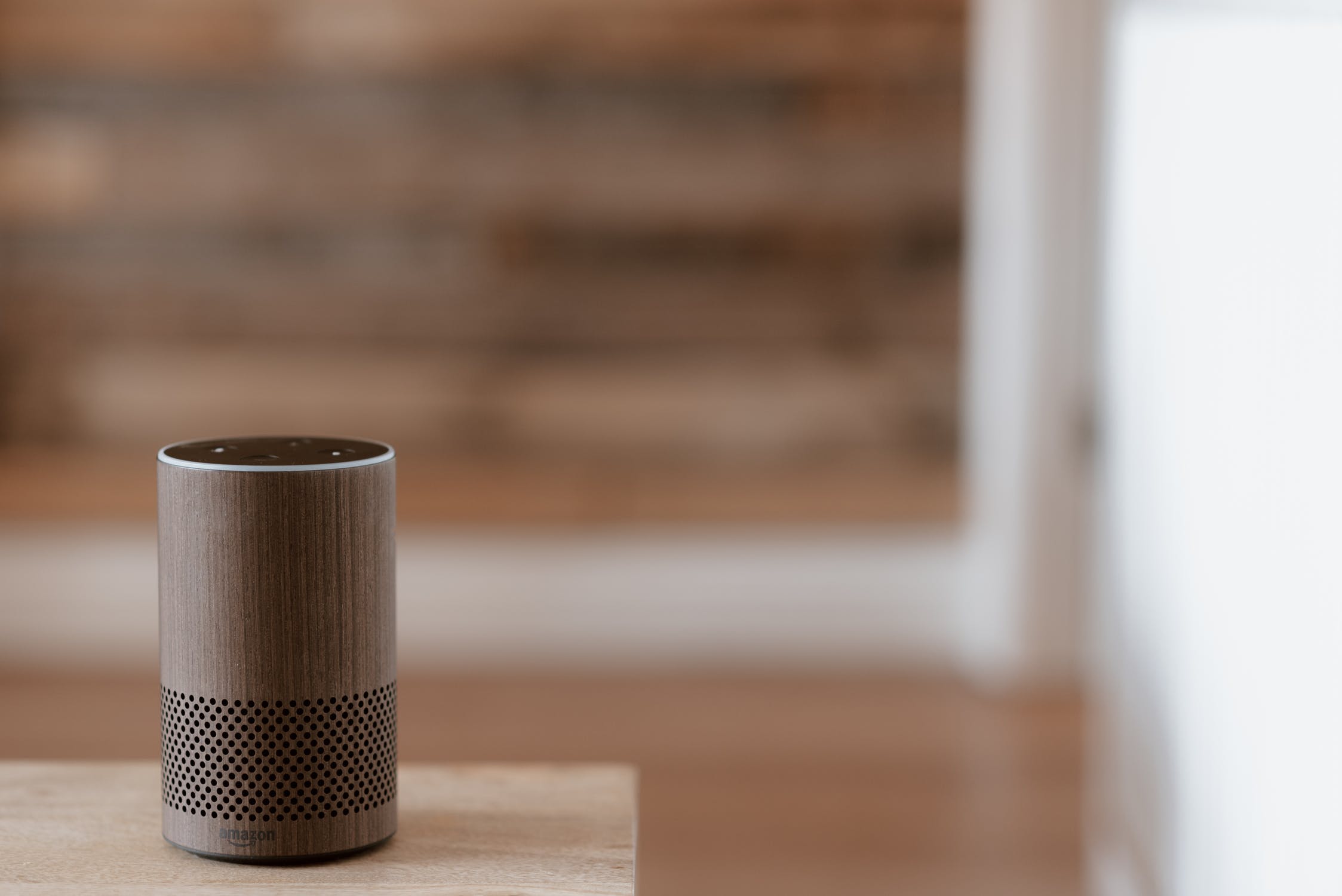
Having voice controls for lights or heating means they don’t have to struggle moving around quite so much. If you are familiar with the technology now it should not faze you as you get older.
Get rid of the bath
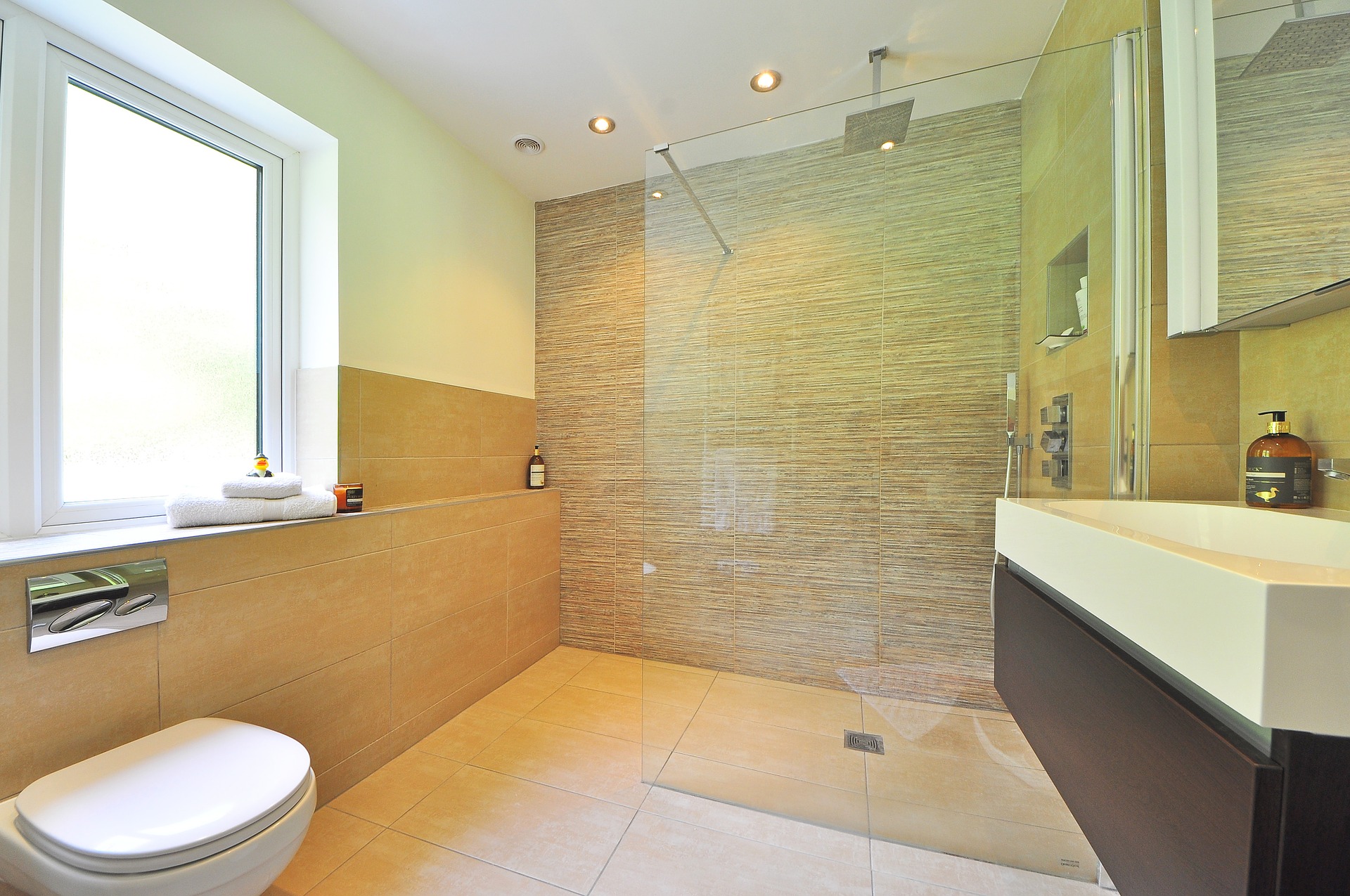
To avoid slipping hazards stepping in and out of the bath, swap to a wet room instead. A walk in shower will be much safer as it is on the same level as the floor. Falls are more likely as we get older when mobility and balance worsens. You can even add a seat to your shower so you can continue to take care of washing yourself.
Invest in Good Lighting
Apparently better lighting can reduce the risks of falls. It helps the elderly see obstacles and avoid trip hazards. As you get older you tend to have low vision. The elderly need much brighter lights than younger people because weakening muscles mean that the pupil becomes smaller and less responsive to light. Your eyes need three times as much light in your 60’s as they did in your 20’s according to this NHS article about eye health.