
How to Support Your Child’s Cognitive Development
Children from as early as birth try making sense of their sensory inputs and understanding the world. As they get older, this gradually leads to grabbing things, putting them in their mouth and knocking them over. This is known as cognitive development. The way children figure things out and learn about the world around them. There are various ways that parents can support their child’s cognitive development. Below are some ideas that were shared with us by an independent school in Surrey.
1. Open-Ended Toys
When looking for games and things for their toy trunk, look for those that are open ended. For example, building blocks that give them the freedom to explore their own ideas and create what they like. This will allow your child to develop their creativity. Which is an essential skill needed for problem solving which can help them in thinking for themselves.

2. Ask Open Ended Questions
Like the point above, you should keep all the questions you ask open to give them the opportunity to explore their ideas and what you may mean.
3. Problem Solving
To become a good problem solver, children need exposure to situations where things go wrong or aren’t so straightforward.
4. Experiment

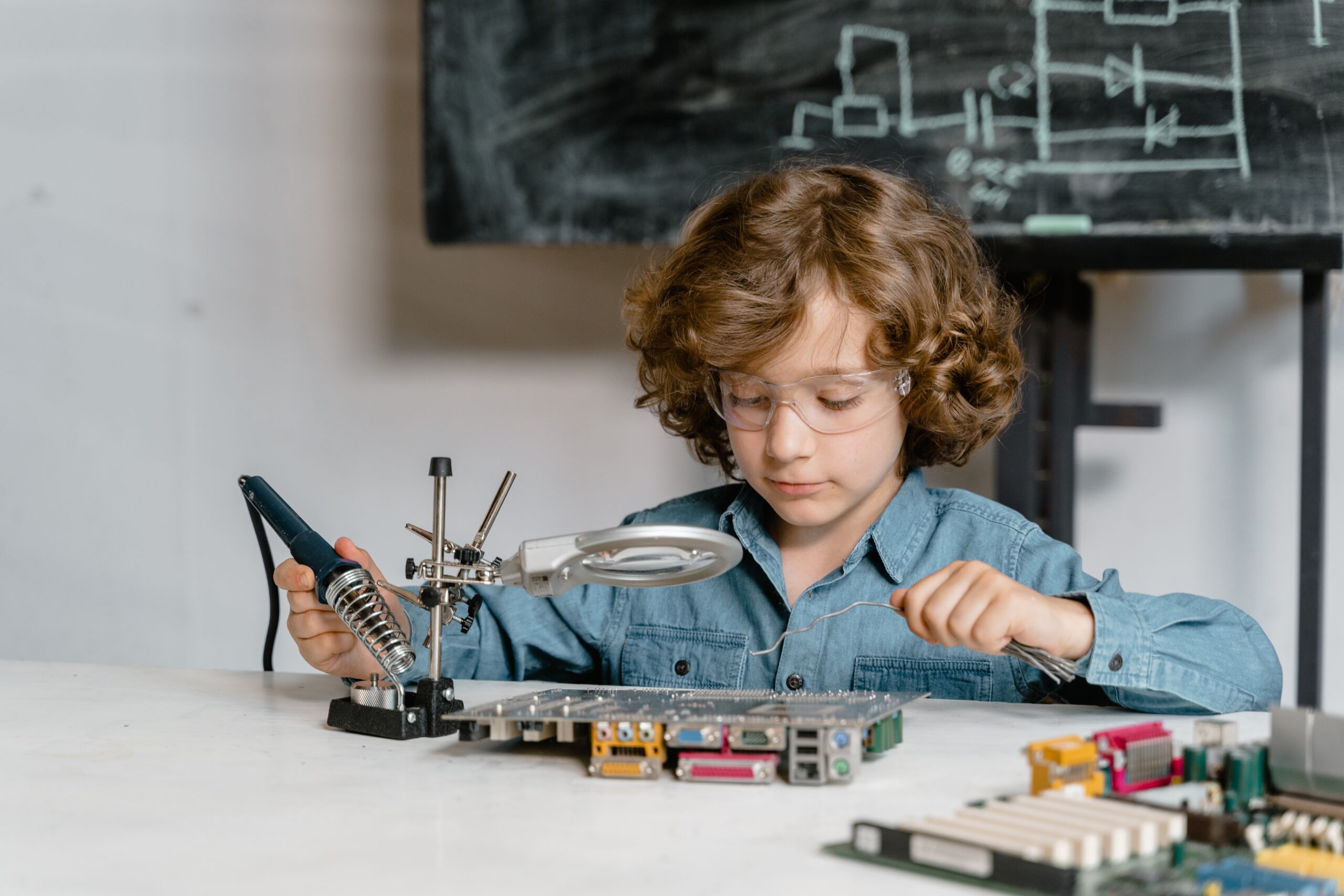
As messy as it might get, experimenting is the key to children learning about the world around them and developing key thinking skills. You can prompt your child to experiment by asking questions during play and encouraging them to forward plan.
5. Unstructured Play
To take the ideas above a little further, you can look for toys and completely give children the chance to explore and experiment. This is known as unstructured play. There are also play activities that can help bring about this level of thinking, such as hide and seek.
6. Understanding of the Wider World
Cognitive development looks at how children figure things out. It then builds their understanding of the world around them. You can also do this by labelling things around you and ensuring that your child has ample learning opportunities and the chance to gain new experiences. Parents can start off by labelling things around them within the home and start gradually showing their child more of the world, such as friend’s and family’s homes, and the natural world.
In Conclusion
Finally, while you want to encourage independent thinking, you should also be present to help them when they encounter difficulties and to get them started with inspiration. This is because the activities mentioned don’t come as naturally to children, they will initially need your help and guidance.