

The Hidden Dangers: Why Proper Food Storage is Crucial
Modern life often distracts us from paying attention to the finer details of household management. Such as picking up groceries, cooking meals and managing leftovers properly. Yet a vital aspect often slips through the cracks: proper food storage. Neglecting this important task may result in stomach upsets as well as serious health hazards.
The Unseen Menace of Bacterial Growth
When it comes to food storage, bacteria is your arch-enemy. Incorrect storage practices can create an ideal breeding ground for Salmonella, E. coli and Listeria. All of which thrive at specific temperatures and cause havoc with digestive systems. Even something as innocent as leftover chicken salad could turn deadly if left at room temperature for too long.
Temperature Control as Your First Line of Defense
The ideal range for bacterial growth lies between 40degF and 140degF (4degC and 60degC). To keep perishable items safe from bacteria growth, using a refrigerator thermometer can ensure your fridge stays below 40degF (4degC), with your freezer sitting below 0degF (-18degC). Though this might seem excessive at first, proper temperature regulation could save lives.
Cross-Contamination
Even when taking care to keep food cold and refrigerate it promptly, cross-contamination remains a threat. This occurs when harmful bacteria spread from one food item to another via unclean utensils, surfaces, or hands. Often raw meat is the culprit here. To keep these away from ready-to-eat items use separate cutting boards and knives when dealing with raw and cooked food items. Instagrammable wooden boards may become breeding grounds if neglected.
The Nutritional Nosedive: Spoiled Food
Improper food storage doesn’t just invite bacteria, it also depletes its nutritional value. Being exposed to air, light, and moisture can wreak havoc with vitamins and minerals. Expensive organic veggies may not do you much good when they become limp and devoid of nourishment by the time they make their way onto your plate.
Airtight and Shielded: How to Preserve Nutrients
For optimal nutritional preservation, invest in airtight containers to keep produce fresh for longer. Furthermore, store foods in cool, dry places away from direct sunlight. If your goal is to preserve nutritional quality through preservation methods alone, try vacuum-sealing or freezing foods you won’t consume right away. This extends their shelf life significantly while still keeping their nutrient content.
Labeling as the Hero
How often have you found yourself playing a guessing game when it comes to leftovers. Just trying to determine whether they are still edible? Labeling and dating your stored food items can prevent accidental consumption of spoiled edibles. Although this might seem trivial, knowing exactly when they were prepared or when their expiration dates are can keep both your gut and taste buds happy.
Attracting Unwanted Guests: Insects and Rodents
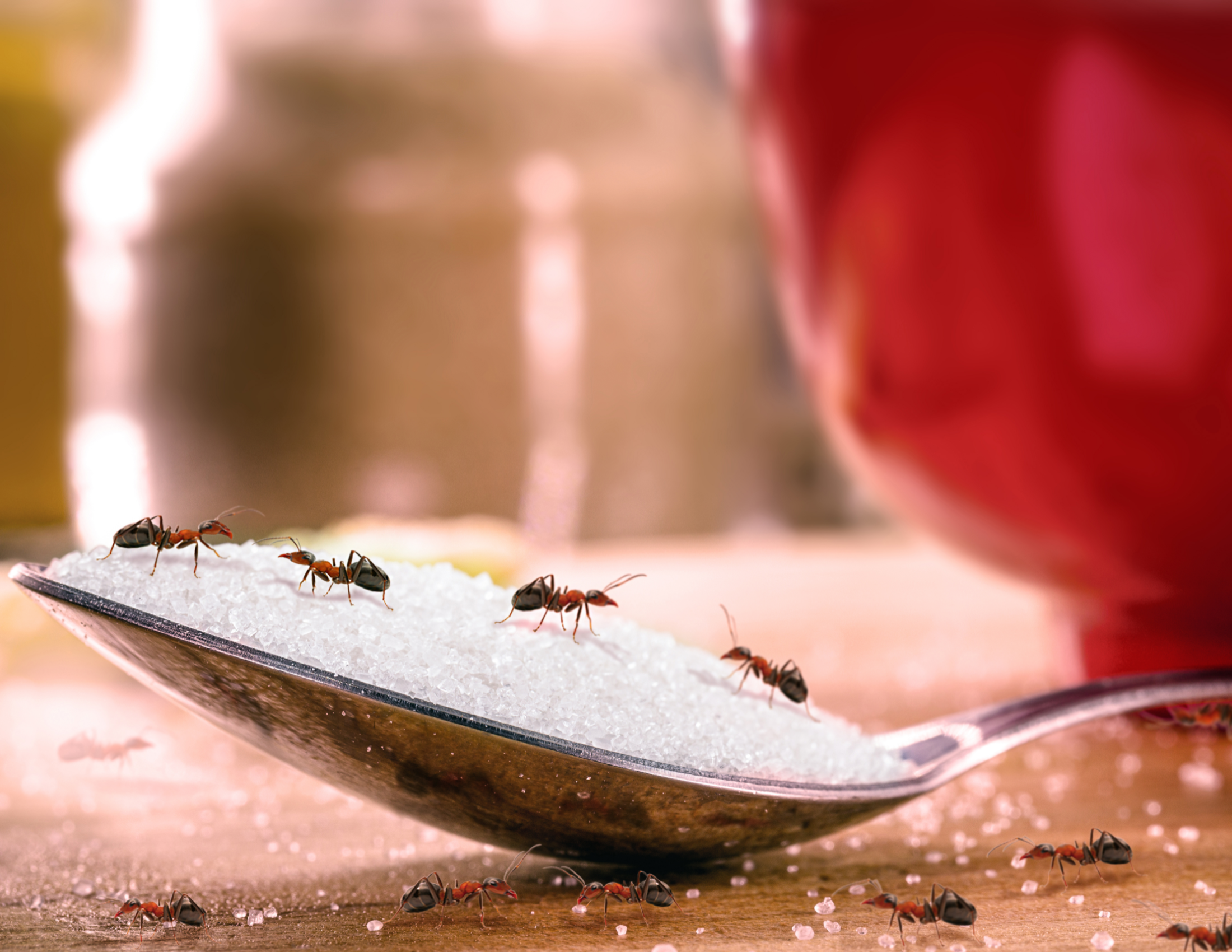
Failing to properly store food opens the door for various pests to invade a kitchen and make their presence known, including insects and rodents. Here are some culprits:
- Ants: Ants are drawn to sugary substances and will quickly move in if your pantry contains sweets that have not been stored safely. You must learn how to get rid of ants effectively while improving storage capabilities.
- Fruit Flies: Attracted to decaying fruits and vegetables, fruit flies quickly become a nuisance when left uncovered in your kitchen, with their fast reproduction rate making them difficult to control.
- Pantry Moths: Pantry moths can quickly infest grains, cereals and other dry goods stored in your pantry. Once inside, these pests lay eggs that hatch into larvae, which contaminate your food supply. Even when caught early, disposing of all infested items can be a time-consuming and laborious process.
- Cockroaches: Cockroaches are attracted to leftover food and debris in your pantry, not only is their presence unhygienic but they also carry bacteria which contaminates surfaces as well. Once they’ve made themselves at home it can be challenging to rid your pantry of these vermin.
- Rodents: Mice and rats are drawn to easily accessible food sources, often chewing through packaging to gain entry, leaving behind droppings that contaminate your food supply with harmful diseases. Not only can mice and rats spread diseases but they may also do extensive structural and electrical wiring damage that requires costly repairs.
To protect both yourself and your home from pests and to keep health problems at bay, it is essential that food storage areas are kept clean, dry, and sealed tight.
Financial Consequences of Improper Food Storage
Food waste can have serious repercussions that extend far beyond health and nutrition. Its consequences can also reach your wallet. According to the Food and Drug Administration (FDA), Americans dispose of 30-40% of their food supply every year. That’s like flushing that much cash down the toilet simply due to failing to store your food correctly.
Planning Your Meals, Purchase What You Need
A successful storage system begins with careful shopping habits. Plan out meals and only purchase what’s likely to be eaten within the week. This helps minimize waste while lightening your storage load and eliminating overproduction.
First In, First Out to Reduce Waste
To cut back on wasteful eating and reduce tossing out expired food items, try adopting the “first in, first out” principle when organizing your fridge and pantry food storage. Make sure older stock gets used up before any newer products enter. This way fewer items need to be thrown out. This reduces food wastage while saving both money and food.
Foodborne Illness
Improper food storage practices can result in foodborne illnesses that could threaten not only you but your loved ones as well. According to the Centers for Disease Control (CDC), one out of every six Americans get sick annually due to eating or drinking something tainted with harmful pathogens. Thus your family’s well being depends upon how you store their food.
Child-Proofing Your Kitchen

Food safety becomes even more critical if you have children, since their immune systems are still developing and more prone to foodborne illnesses than adults are. Make sure your foods are safely stored away, and educate older kids on basic food safety principles so your next family dinner doesn’t end in hospital visits instead.
Conclusion
Proper food storage might seem like an administrative annoyance. Yet its risks cannot be understated: from potential infections such as salmonella to wasted money. So next time you toss that half-eaten sandwich into your fridge without thinking twice, remember it’s an investment for both your stomach and wallet. Proper storage practices make a positive difference to both.