
5 Essential Disaster Preparedness for Homeowners Considerations: Covering All Your Bases
In the charming city of Gig Harbor, WA, the picturesque views and serene waterfronts are occasionally disrupted by the forces of nature. From fierce windstorms to the threat of earthquakes, homeowners in this region face a variety of natural challenges. Preparing for these potential disasters is not just advisable; it’s essential for safeguarding your home and family. Understanding and implementing strategies for disaster preparedness for homeowners can significantly mitigate the risks and ensure peace of mind.
Disaster Preparedness for Homeowners Consideration 1: Emergency Supply Kits
An emergency supply kit is a homeowner’s quick-access resource in the event of a disaster. This kit should be comprehensive, well-thought-out, and easily accessible. Start by including basics such as water, non-perishable food items, a first-aid kit, flashlights, and extra batteries. Also, keep a whistle to signal for help and a dust mask to filter contaminated air.
Moreover, it’s essential to tailor your kit to the specific needs of your household. For families with medical prescriptions, include a sufficient supply of necessary medications. If you have infants, ensure diapers and baby food are stocked. Don’t forget about your pets—pet food, water, and extra supplies should also be included.
Disaster Preparedness for Homeowners Consideration 2: Roof and Structural Integrity
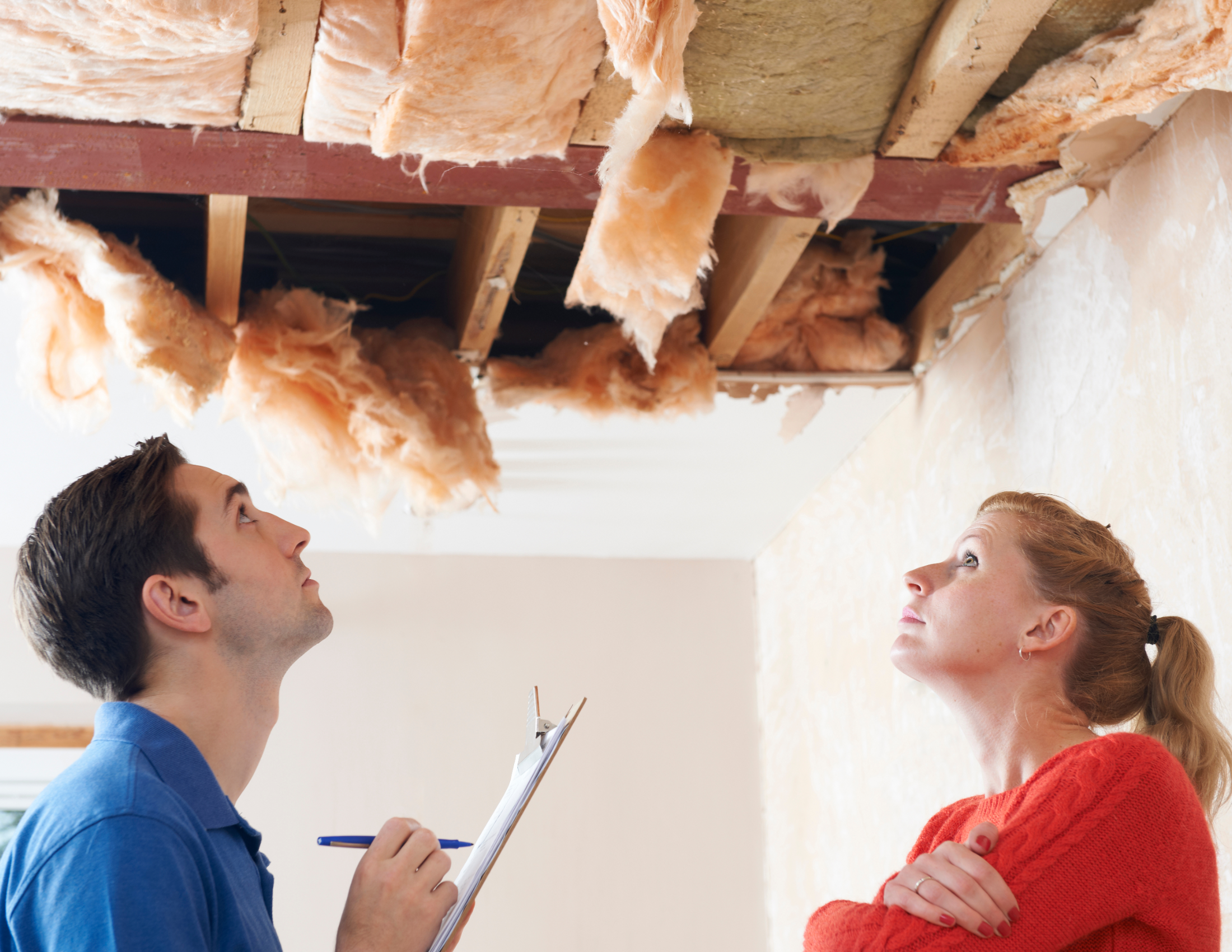
The integrity of your home’s structure, especially the roof, is your first line of defense against natural disasters. A compromised roof can lead to catastrophic damage during a storm or earthquake. That’s why Gig Harbor residents should consider a proactive approach, such as replacing the roof if needed. This isn’t just about repair—it’s about upgrading your home to withstand the harsh weather conditions that are all too common in the Pacific Northwest. In Gig Harbor WA roof replacement services can help you ensure you have a sturdy roof designed for durability.
Choosing the right materials is key. For instance, metal roofing or high-grade asphalt shingles can provide enhanced durability and better protection compared to standard materials. These options are designed to resist heavy rains, strong winds, and even flying debris. Moreover, modern roofing technology includes features like improved water shedding and wind uplift resistance, which are vital in high-stress weather events.
Assessing the structural foundation of your home is equally important. Ensuring that your home’s foundation and framing are capable of withstanding seismic activities can prevent major damages. Professional assessments and upgrades, such as seismic retrofitting, can reinforce the structural integrity of your home, securing it from the ground up.
Disaster Preparedness for Homeowners Consideration 3: Family Communication Plans
In the chaos that often accompanies a disaster, being able to communicate with your family members is essential. Creating and practicing a family communication plan ensures that everyone knows what to do and how to stay in contact if separated. Start by establishing a family meeting point that’s familiar and easy to access for all family members.
Make sure to choose an out-of-state friend or relative as a central contact person. In many disaster scenarios, local communication networks might be overloaded, but long-distance calls may still go through. Ensure every family member has this contact’s phone number saved and knows to check in with them to relay their safety status.
Disaster Preparedness for Homeowners Consideration 4: Home Safety Features
Installing and maintaining adequate home safety features can drastically reduce the risk of disaster-related incidents and enhance your ability to cope when emergencies arise. Essential to any disaster preparedness for homeowners plan are smoke detectors and carbon monoxide detectors, which should be installed on every level of the home, especially near bedrooms, to alert residents of fire or gas leaks, even during sleep.
Fire extinguishers are another vital component of home safety. Place them strategically throughout your home, particularly in the kitchen and near any heating elements like furnaces or fireplaces. It’s crucial that every household member knows how to use them effectively in an emergency. You should also consider the benefits of automatic shut-off systems for water and gas. These systems can prevent further damage in the event of a pipe break or gas leak, which are common in earthquakes and other major disasters.
For regions prone to earthquakes, securing large furniture and appliances to the walls can prevent tipping and injury during seismic activity. This includes anchoring bookshelves, televisions, refrigerators, and other heavy objects that could shift or fall, posing significant risks to occupants.
Disaster Preparedness for Homeowners Consideration 5: Insurance and Financial Preparedness
An often overlooked aspect of disaster preparedness is ensuring adequate insurance coverage. Homeowners should review their insurance policies annually to ensure they cover current risks and potential disasters specific to their area.

Discuss with an insurance agent the need for supplemental policies, such as flood insurance or earthquake insurance, which are crucial in high-risk areas. Additionally, maintaining a current inventory of your home’s contents, supported by photos or videos, can expedite the claims process after a disaster. Store these records in a safe, accessible location, ideally backed up digitally in cloud storage.
Financial preparedness also involves having access to emergency funds. This can be facilitated through setting up a savings account designated for emergencies or keeping a small amount of cash in a safe place within your home. Financial liquidity can be critical when dealing with immediate post-disaster needs, such as temporary lodging or purchasing essential supplies when normal services are disrupted.
Ready, Resilient, and Resourceful
Disaster preparedness for homeowners involves a comprehensive approach that combines personal readiness with community engagement. By implementing strategic modifications to your home, ensuring robust safety protocols, securing adequate insurance coverage, and leveraging local resources, families can face natural disasters not just with hope but with confidence.
The true measure of preparedness is the ability to remain resilient and resourceful in the face of adversity. The steps you take today to prepare can make a significant difference in the impact a disaster has on your home and loved ones. Let’s not wait for the unexpected to remind us of what we could have done. Instead, let’s act now, ensuring peace of mind and securing a safer future for ourselves and our community.