

Creative design tips for your child’s new room
Designing a child’s bedroom is a chance to do something more meaningful than simply decorating. The right space can offer comfort, spark imagination, encourage learning, and even support emotional wellbeing. From sensory-friendly elements to zones for reading, art, or winding down, here are some creative design tips for a space that will help your child thrive.
Designing a room tailored to your child’s needs
Every child is different, and their room should reflect that. Ask them what their favourite colours are, and which hobbies they enjoy. Do they need a quiet corner for reading, a space to practice dance moves, or room to spread out on the floor and be creative?
Involving them in these creative design decisions will make the space feel more like theirs. Your child will be engaging in numerous activities as they develop, so multifunctional furniture like kids beds with built-in storage is perfect for supporting both playtime and homework.
2025 style trends with staying power
Earthy tones and muted pastels are big for 2025. These classic shades offer a soothing backdrop that works for all ages. The low-key nature of these colour trends means that you can easily adapt your child’s room as he or she grows. Still, you can add some individuality and your child’s favourite colours in the mix. Add interest with vibrant patterned decor such as starry decals, geometric rugs, or murals to spark their imagination.
Maximising space and storage
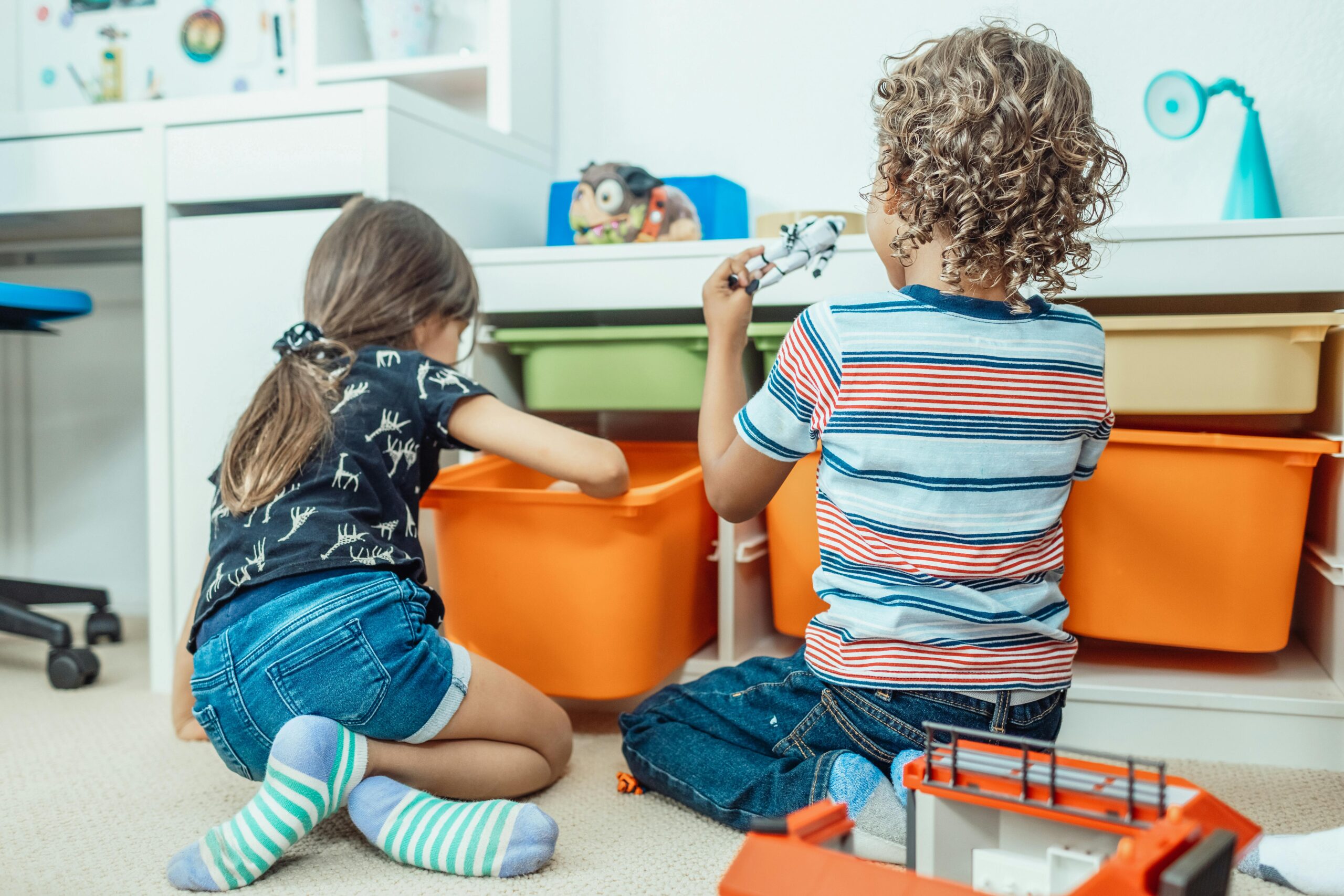
Kids love to collect things. Books, toys, and clothes will all require smart storage if you don’t want your child’s room to constantly cluttered. Invest in floating shelves that are easily reachable, under-bed drawers, or built-in wardrobes. A clutter-free room is not only more functional, but it also feels calmer. Another bonus is that if you provide storage or a place for all the items that your kids have, they are more likely to tidy up after themselves.
Creative Design for well-being and focus
Your ultimate goal is a space where your child feels relaxed, focused, and safe. Aspects such as good lighting and soft textures can make a huge difference to mental relaxation and even focus. Use calming shades such as pale blue or green, and avoid the overstimulation that can result from too many patterns – this is especially important if your child has autism or is highly sensitive. Also add personal touches like cosy blankets or quirky rugs in the shape of their favourite animals so that sounds are muffled and not as jarring.
A room that grows with your child
A well-designed bedroom gives your child more than just a place to sleep. It offers a space where they can play, learn, and simply be themselves.