

Planning a Stay in the Cotswolds: Your Complete Travel Guide
The Cotswolds, with its honey-hued villages, gently rolling hills, and quintessential English charm, has long been one of the UK’s most popular countryside destinations. Whether you’re a first-time visitor or a returning admirer, planning a stay in the Cotswolds can be as exciting as the journey itself. In this blog post, we’ll walk you through everything you need to know — from where to stay in the Cotswolds and what to do, to the best times to visit and travel tips for making the most of your trip.
Why Choose the Cotswolds?
The Cotswolds is an Area of Outstanding Natural Beauty (AONB) located in south-central England, covering parts of Gloucestershire, Oxfordshire, Wiltshire, Somerset, Worcestershire, and Warwickshire. Its allure lies in its idyllic stone-built villages, scenic countryside, and historic market towns like Stow-on-the-Wold, Bourton-on-the-Water, and Chipping Campden.
Whether you’re interested in hiking, food, history, or simply relaxing in a beautiful setting, the Cotswolds offers the perfect escape from the hustle and bustle of modern life.
When Is the Best Time to Visit the Cotswolds?
Planning your stay in the Cotswolds starts with timing. While the region is beautiful year-round, your experience can vary greatly depending on the season.
Spring (March to May): Wildflowers bloom across the hills, and the weather is pleasant for walking.
Summer (June to August): Expect warm weather and lush landscapes — ideal for outdoor activities, though more crowded.
Autumn (September to November): Fewer tourists and beautiful golden foliage make fall an excellent time for a quiet getaway.
Winter (December to February): While colder, winter visits offer cozy pub evenings and festive charm, especially around Christmas.
If you want fewer crowds and great photo opportunities, consider visiting in shoulder seasons (late spring or early autumn).
Where to Stay in the Cotswolds
Accommodation in the Cotswolds ranges from luxury manor hotels to charming B&Bs and self-catering cottages. Here’s a breakdown of options:
1. Boutique Hotels
Stay in a historic coaching inn or a countryside manor house. Popular choices include:
The Lygon Arms (Broadway)
Barnsley House (Cirencester)
Thyme (Southrop)
2. Bed & Breakfasts
For a homely experience, opt for a B&B in a traditional Cotswold cottage. They often include homemade breakfasts and local insights from your hosts.
3. Holiday Cottages
If you’re planning a longer stay or visiting with family, renting a self-catered cottage gives you flexibility and comfort. If you prefer the finer things in life then check out these Luxury Holiday Homes in the Cotswolds.
4. Glamping and Camping
Eco-conscious and adventurous travelers might enjoy a yurt, shepherd’s hut, or campsite surrounded by nature.
TRAVEL Tip: If you’re looking for “best places to stay in the Cotswolds for couples” or “family-friendly accommodation in the Cotswolds,” be sure to book in advance during peak seasons.
Top Villages and Towns to Explore
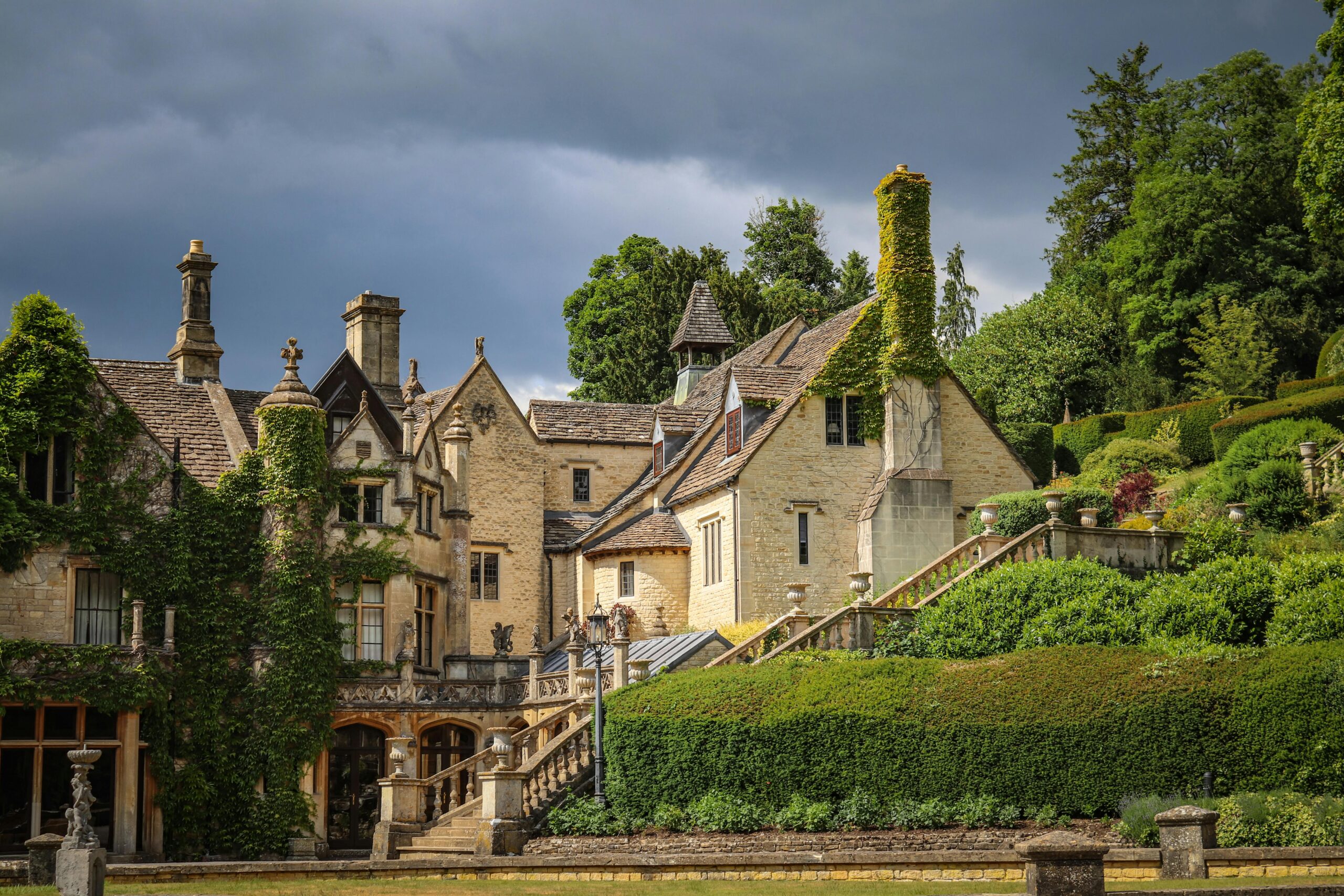
Planning your itinerary? These must-visit villages and towns each offer their own unique charm:
Bourton-on-the-Water: Known as the “Venice of the Cotswolds,” famous for its low bridges over the River Windrush.
Bibury: Often referred to as England’s most beautiful village. Arlington Row is an iconic photo spot.
Stow-on-the-Wold: Great for antique shopping, local pubs, and its historic market square.
Chipping Campden: A hub for arts and crafts with beautiful architecture.
Castle Combe: A postcard-perfect village frequently featured in films.
Don’t miss the opportunity to simply wander — some of the most memorable experiences come from unplanned detours.
Things to Do in the Cotswolds
There’s no shortage of activities in the Cotswolds or you can enjoy a slower pace if you prefer. Here are some highlights to help you plan:
1. Walking and Hiking
With hundreds of miles of public footpaths, walking is one of the best ways to explore. Popular routes include:
The Cotswold Way: A 102-mile national trail from Chipping Campden to Bath.
Circular walks: Short routes around Winchcombe, Broadway Tower, or Painswick Beacon.
2. Visit Historic Houses and Gardens
Sudeley Castle: A royal residence with beautiful gardens.
Blenheim Palace: Birthplace of Winston Churchill (technically just outside the Cotswolds, but worth a visit).
Hidcote and Kiftsgate Gardens: Renowned for stunning horticulture.
3. Sample Local Food and Drink
The Cotswolds is a paradise for foodies. Enjoy:
Traditional afternoon teas
Local cheeses (try the Single Gloucester)
Farm-to-table restaurants
Cotswold gin or craft ales at local pubs
Try out popular spots like The Wild Rabbit in Kingham or The Feathered Nest in Nether Westcote.
4. Artisanal Shopping
From independent bookshops to pottery studios, there’s a strong tradition of craftsmanship here. Look out for:
Handwoven textiles
Cotswold lavender products
Local artwork and photography
Travel Tips for Visiting the Cotswolds
Getting There: The Cotswolds is easily accessible by train from London (Paddington to Moreton-in-Marsh takes about 90 minutes). A car is highly recommended for getting around between villages.
Driving: Narrow lanes and limited public transport make driving more convenient, but be cautious in winter months.
Pack Accordingly: Bring layers, comfortable walking shoes, and an umbrella — English weather can be unpredictable.
Plan Ahead: Popular restaurants and accommodations book out fast, especially in summer and around Christmas markets.
Sustainability Tip: Support local businesses and farmers’ markets to help preserve the region’s economy and environment.
Final Thoughts: A Cotswolds Stay to Remember
Planning a stay in the Cotswolds is all about balance — between relaxation and adventure, history and nature, luxury and rustic charm. Whether you’re on a romantic getaway, a solo retreat, or a family vacation, this region will enchant you with its timeless beauty and warm hospitality.
As you wind down country lanes or sip cider in a stone-pub garden, you’ll quickly see why so many fall in love with the Cotswolds. The slower pace invites you to reconnect — with nature, with others, and perhaps most importantly, with yourself.