

Enhancing Garden Design with Contemporary Slatted Features
Over the years, garden design has become less about formality and more about comfort, ease, and personal style. For many families, the outdoor space is now as much a part of the home as the living room or kitchen. And with a few clever touches, it’s easy to turn a plain garden into a practical and attractive space for relaxing, entertaining, or letting the kids run free.
One growing trend in outdoor design is the use of slatted features; a simple way to add structure and visual interest without making the garden feel overly designed.
Why Garden Aesthetics Matter for Families
When you’re raising a family, every inch of space counts. Outdoor areas offer room to breathe, a chance for kids to burn off energy, and a place for everyone to come together. But these spaces also need to feel calm and comfortable, not chaotic or neglected.
A thoughtfully arranged garden can help keep things under control, whether that’s through designated play zones, peaceful corners for a morning coffee, or easy-to-maintain borders that don’t require constant attention. The right garden design choices make these areas feel connected to the home and suited to everyday life.
The Rise of Contemporary Garden Elements
Modern garden design has shifted away from overly manicured lawns and formal layouts. Instead, there’s a growing preference for clean lines, soft colours, and natural materials that blend style with simplicity. Think stone patios, wooden decking, layered planting, and subtle lighting. Among these design choices, slatted features have become particularly popular and it’s easy to see why. They offer a structured look that doesn’t feel heavy, providing a balance between form and function that suits a wide range of garden shapes and sizes.
Using Slatted Cladding for Visual Impact
One of the most effective ways to introduce a contemporary look to your garden is through slatted cladding. This versatile feature can serve multiple purposes – whether it’s used to screen off a storage area, divide zones within the garden, or provide a stylish backdrop to plants and seating areas. The horizontal lines help guide the eye and create the illusion of more space, while the gaps between slats keep things feeling light and open. It’s also a great option for parents who want privacy without completely blocking out light or views.
Slatted cladding works well alongside other materials like brick, stone, or rendered walls, allowing you to add interest and texture without a full-scale renovation. And perhaps best of all, it requires very little upkeep, which is always a bonus for busy households.
Practical Tips for Low-Stress Outdoor Updates
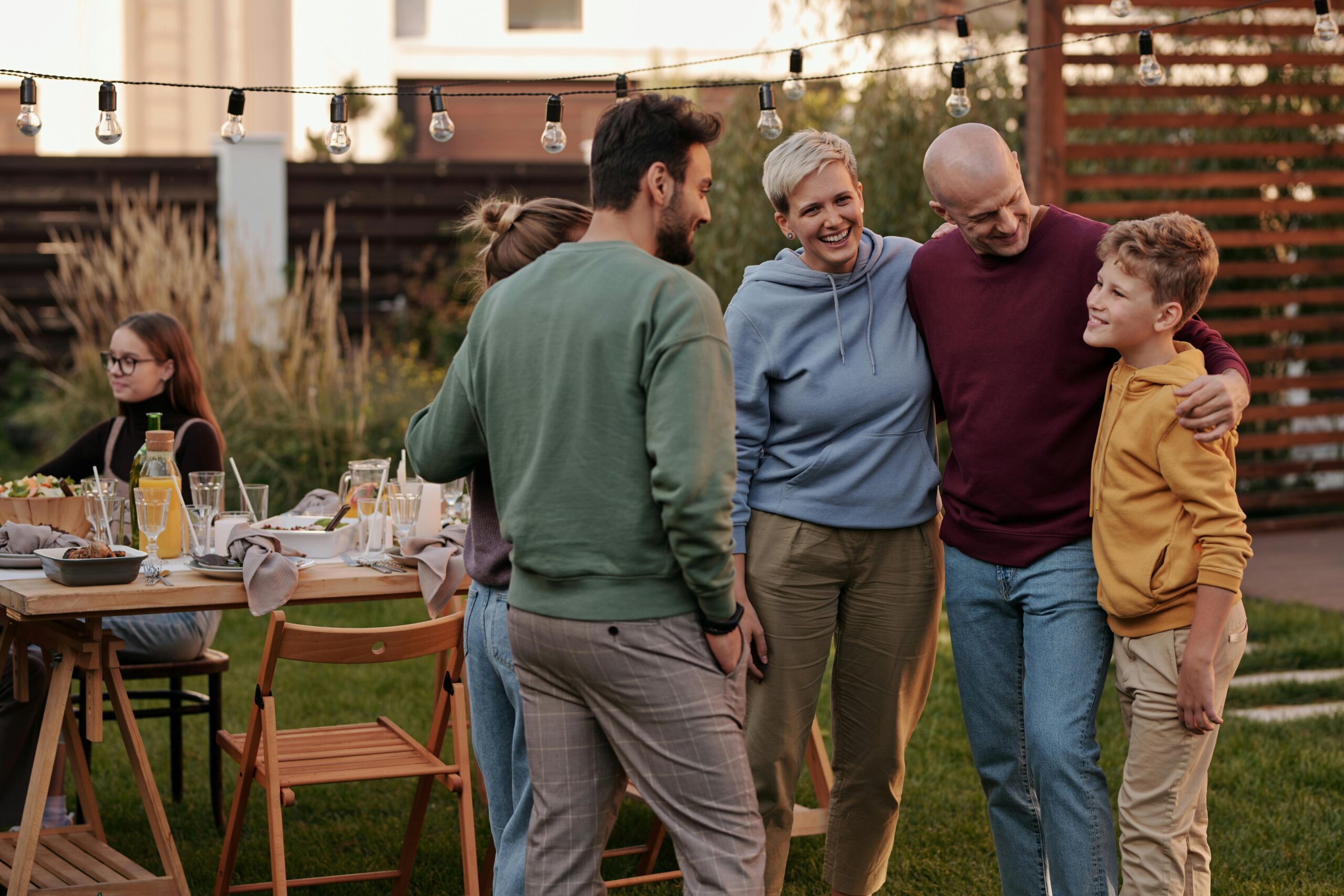
For many parents, the idea of a garden makeover sounds lovely in theory, but time, energy, and budget are often limited. The good news is, small changes can go a long way. Here are a few garden design ideas to keep things simple:
Start small: Pick one area to improve, such as the fence line or a neglected corner.
Mix materials: Combine natural wood slats with gravel, pots, or raised beds for a layered look.
Create zones: Use slatted features to subtly separate a play space from a dining area.
Add greenery: Vertical planting works well with slatted backgrounds and brings life to the structure.
Stick with neutral tones: These allow the garden to evolve over time without clashing with new furniture or plants.
By focusing on garden design choices that look good and work hard, it’s possible to give your garden a new feel without it becoming another big job on the to-do list.
Updating your outdoor space doesn’t have to mean big changes or endless weekends of work. Simple, well-chosen features like slatted cladding can add character and function while keeping things practical for family life. Whether you’re aiming for a peaceful place to unwind or a fun, safe space for the kids to enjoy, thoughtful garden design can help make your garden a true extension of your home – all year round.