

Mental Health Tools You Might Not Know About
The quest for mental well-being has led to the emergence of numerous mental health tools that cater to different aspects of mental health. From apps designed to monitor mood swings to platforms enabling virtual therapy sessions, these digital solutions are revolutionizing the way we approach our psychological health. With the growing popularity of such technologies, it’s essential to explore the myriad of options available for enhancing our mental state.
Exploring the Benefits of Digital Mental Health Apps
Digital mental health apps offer users the convenience of accessing professional help from the comfort of their own homes. With features such as mood tracking, coping strategy suggestions, and progress monitoring, these mental health tools empower individuals to take charge of their mental health journey.
Another significant advantage is the anonymity they provide. For those who feel uncomfortable seeking face-to-face therapy, the ability to chat online offers an alternative path towards mental wellness. Confidentiality is a critical aspect of mental health treatment, and these applications ensure that personal information remains private and secure.
Moreover, many of these apps incorporate evidence-based therapeutic techniques such as Cognitive Behavioral Therapy (CBT), making them a viable supplement to conventional treatment. With the ability to tailor the experience to individual needs, users can focus on their specific issues, including anxiety, depression, or stress management.
Utilizing Mindfulness and Meditation Tools for Mental Clarity
Mindfulness and meditation tools are increasingly recognized for their effectiveness in promoting mental clarity and emotional balance. These practices help in centering thoughts and fostering a state of calmness, which is essential in today’s fast-paced world. Through guided meditation apps and online platforms, users can access a variety of meditation techniques designed to reduce stress and enhance focus.
Many of these mental health tools provide structured programs to guide beginners through the basics of meditation, making the practice more accessible to a broader audience. With the ability to track progress and set reminders, maintaining consistency in meditation practice has never been easier.
The Role of Virtual Reality in Managing Anxiety and PTSD
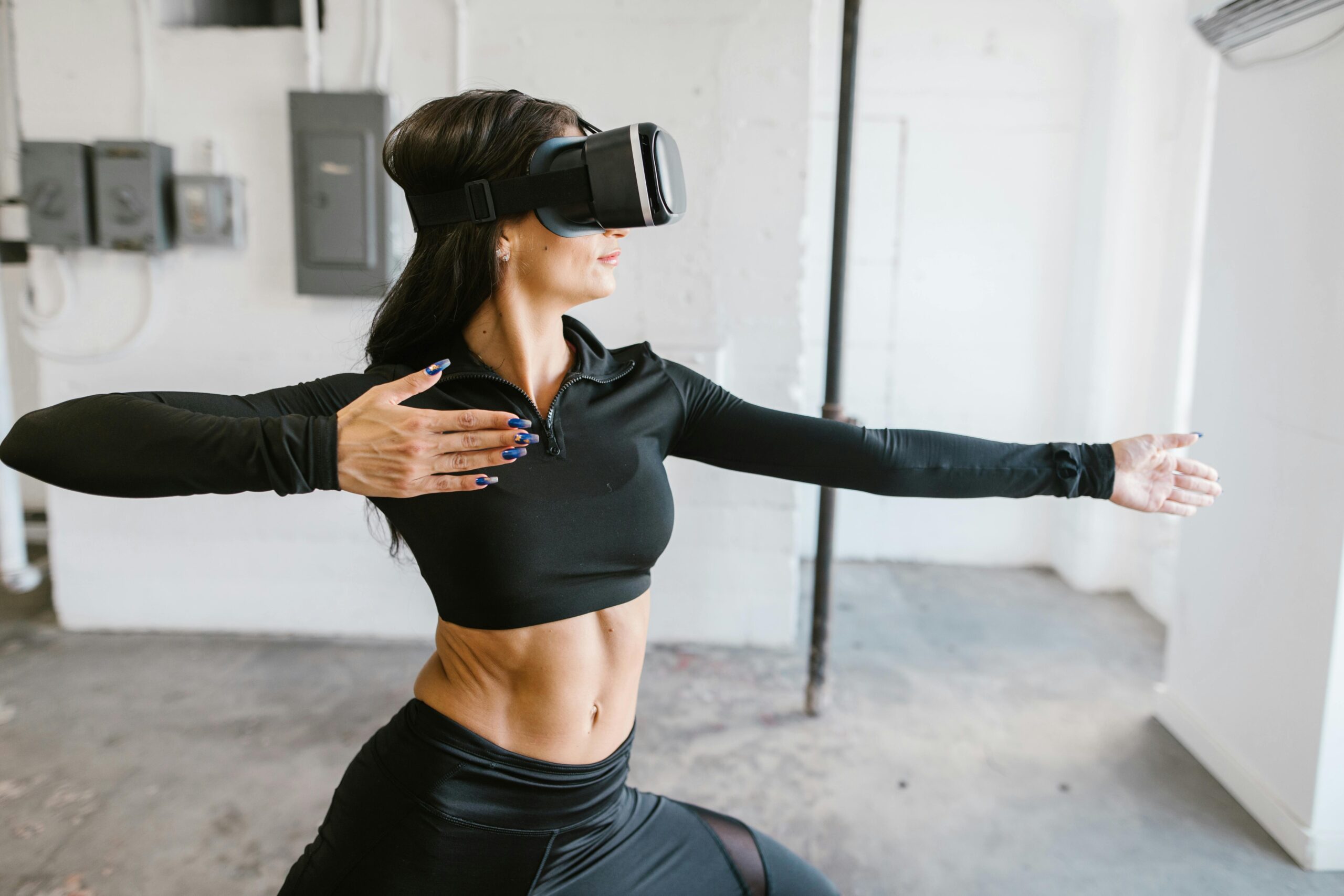
Virtual reality (VR) has taken the stage as a groundbreaking tool in the treatment of anxiety and PTSD. Through immersive, simulating environments that patients can navigate, VR provides a controlled setting where they can confront and work through their fears. The realistic scenarios enable therapists to offer exposure therapy in a safe and manageable manner.
Another aspect of VR in mental health is its capability to promote relaxation and mindfulness. Certain programs place users in calming environments, such as tranquil forests or peaceful beaches, which can help reduce stress and anxiety levels.
VR also extends its potential to the realm of skill development and resilience training. For individuals with PTSD, VR-based therapies can help in learning coping mechanisms and improving their responses to stress-inducing situations. This approach has shown promise in enabling a return to normal functioning for many who have experienced trauma.
Harnessing the Power of Biofeedback for Emotional Regulation
Biofeedback is a technique where individuals learn to control physiological functions with the aim of improving physical and mental health. Through various devices that measure bodily processes such as heart rate and muscle tension, users receive real-time feedback. This information can help them develop strategies for emotional regulation and stress reduction.
One of the key benefits of biofeedback is the empowerment it gives users to affect their own physiological responses. Over time, individuals can learn to induce states of relaxation on demand, which can be particularly effective in managing symptoms of anxiety and stress disorders.
Moreover, some biofeedback devices are designed for use in the home environment, which extends the reach of these powerful techniques. With user-friendly interfaces and engaging training modules, these tools are becoming an integral part of self-directed mental health care.
Leveraging Art Therapy Through Technological Platforms
Art therapy has long been recognized for its therapeutic value, providing a non-verbal outlet for expressivity and reflection. The integration of this practice with technological platforms has opened up new possibilities for individuals seeking creative ways to manage their mental health. Digital art therapy allows participants to explore their emotions and work through concerns using virtual canvases and tools.
With the advent of tablets, smartphones, and specialized software, art therapy has become more accessible than ever. These technologies facilitate the easy creation and sharing of artwork, thus removing traditional barriers such as lack of materials or artistic expertise. Users can benefit from the therapeutic effects of art-making without needing to invest in expensive supplies.
Overall, the incorporation of technology into mental health treatment has opened a multitude of avenues for individuals seeking support and relief from psychological stress. As we advance further into the digital age, these tools are set to become even more integrated into our daily lives, making mental wellness more achievable than ever before.