

10 Helpful Tips for Parents of Nursery Students
Are you wondering why your little one is well behaved at nursery and such a cheeky monkey as soon as they’re home? Simply put, they trust that you will love them unconditionally; no matter how naughty they are or how many buttons they push. There are lots of things you can do at home to help promote good behaviour, as explored below by a private nursery school in Hertfordshire.
1. Praise
Children tend to repeat behaviour when it gets them attention, either positive or negative. With that in mind, make sure to praise your child when you catch them in the midst of good behaviour.
2. Rewards
Don’t give your child rewards whenever they do basic daily tasks, like brushing their teeth. If they are always doing simple things just to earn a prize, they won’t understand the real reasons to do things. Instead save the rewards for bigger milestones, like successful potty training. This will make them more meaningful.
3. Choices
If your child refuses to do something you have asked them to do, give them another, less attractive option. Eventually, they will start to make the right choice because they will see that it’s the only way to get what they want.
4. Unstructured play
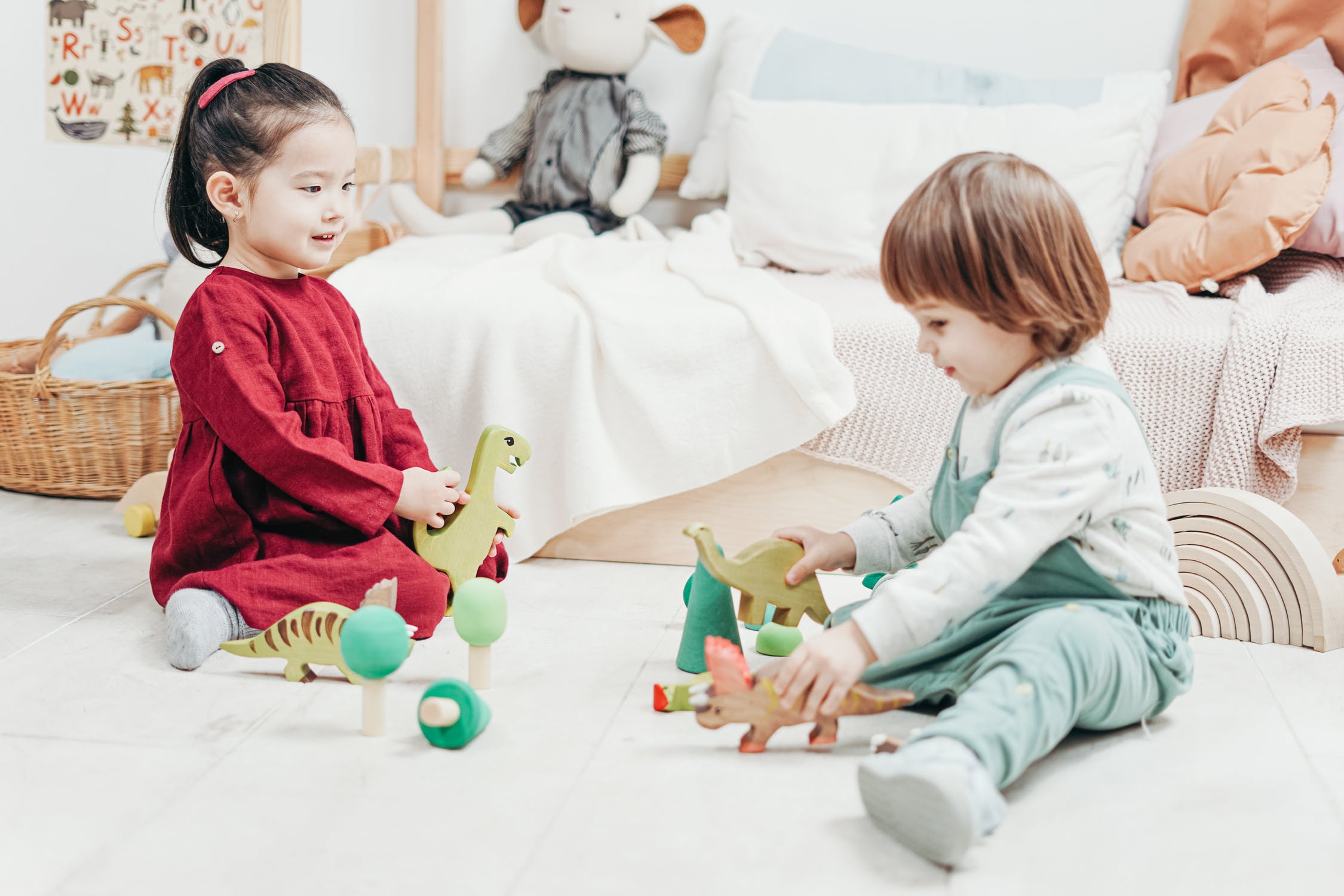
Children today don’t get to use their imaginations enough because they are always supervised by an adult or distracted by technology. Don’t feel guilty about sending your little one off to play alone, as long as they have enough toys and supplies to keep themselves entertained.
5. Chores
By giving your child simple, manageable chores, you will help them develop their confidence and sense of responsibility. The idea is to give them a little bit of independence and show that you trust their capabilities. Once they’ve completed their chores, resist the urge to redo them at a better standard because doing so will only knock their confidence.
6. Routine
If your child knows what’s expected of them, they will be far more likely to co-operate. With that in mind, try and establish a predictable routine in the morning before nursery and after you have picked them up.
7. Instructions
When you tell your child to do something, make sure your instructions are direct and simple to avoid confusion. You should also try and explain why you want them to do what you’re asking so that they understand how important it is to follow your instructions.
8. Avoid “ifs”
The language you use is crucial when you’re trying to get your child to do something. For instance, saying “if you tidy your room, you can have some sweeties” lets them assume they have a choice. Alternatively, saying “when you tidy your room” is a more direct option.
9. Music
If you want to make something dull seem more exciting, add some music. For instance, if you’ve asked your child to get dressed and they refuse, you could say “I bet you can’t get dressed before this song finishes” and then suddenly it’s a fun game.
10. Discipline
Lots of parents choose to wait until long after the event to discipline their child, usually to avoid public embarrassment. However, if you wait until you get home they will have forgotten about the incident and it will feel random and undeserved.
For more advice on how to promote good behaviour from your nursery-aged child, don’t be afraid to contact their teachers.
Some really handy tips that do work! We are well beyond that stage now but praise and giving my daughter the choice herself really did help when she was younger! Sim x