

Tips for Helping Your Kids in Foreign Languages
No matter where you happen to hail from in the world, it is always beneficial to have knowledge of other country’s cultures and languages. In English speaking countries especially, there is sometimes a tendency to rely on the rest of the world’s knowledge of English. Rather than learning other foreign languages. But it should not always be this way! As a parent, it is important for you to show your child that language learning is not only beneficial for their life experience but also can be fun.
Here are some tips for helping your kids with their foreign languages to support their school learning, rather than hiring tutors and having to spend extra money!
Introduce Them Early On
It makes sense that the earlier you introduce a foreign language to your child, the less ‘foreign’ it will seem! This can be as simple as a few easy words like hello, goodbye, thank you etc. However the familiarity with the basics will make a difference when it comes to exploring more complicated aspects of the language later on down the road.
Use Language Apps
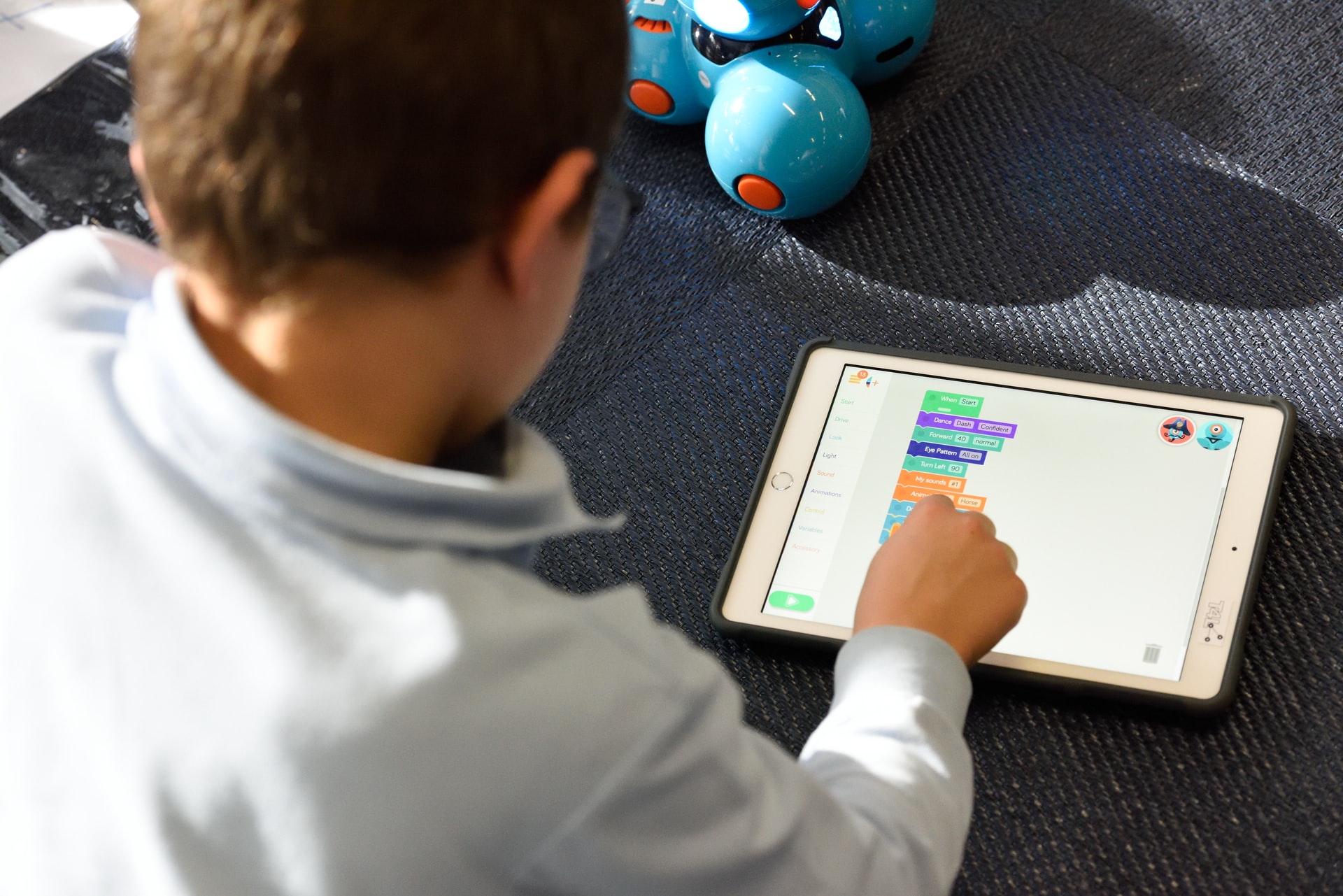
There is an abundance of amazing smartphone and tablet apps that are available these days, that can help to guide you through the learning of a new language in such a way that almost makes it feel like a game. There is a chance that your kid is already more comfortable with technology than you are, and they will enjoy the interactive nature of an app. Apps like Babbel have brilliant online Italian courses for example, as well as many other languages.

Watch Foreign TV Shows and Films
If your child likes nothing more than to be glued to a TV screen, then find some foreign language shows and films that they can try out. There are plenty of foreign language options that are child-friendly and the use of subtitles can start to help them connect the dots when it comes to recognizing certain words and phrases.
Find Opportunities to Practice Naturally
Try to find opportunities to practice naturally if you can. If you have friends and family who speak the language, then arrange visits where little words and phrases can be dropped into conversations organically. Another fun way to practice can be finding a restaurant whose cuisine matches the language that you are learning and encouraging your little one to order from the menu and many even have a small discussion with a server! But the best thing to do is travel to the country to immerse yourself in the language.
Learn Alongside Them
It is very important that you don’t simply set some work and then leave the room to do your own thing. There is a much greater chance of the language skills sticking if you work just as hard as your kid does, and then you will be able to engage together.
Set Small and Attainable Goals
The prospect of learning an entirely new language from scratch can seem very daunting to a child, so it is important that you split up the task into much smaller and more achievable goals. Dividing things up into mini sections like numbers, colours, kitchen words, school words, etc. can make the experience much more approachable. It is also important to celebrate the mini-goals when they have been achieved because it will keep the motivation and enthusiasm levels high!
The satisfaction of being proficient in another language is something that every child should feel. In order to get to that stage, as a parent you need to make sure that you continue to stress the importance of it, along with making it fun and stimulation for kids so that it doesn’t end up feeling like a chore!