

5 Ways to Prepare a Perfect Cup of Coffee at Home
Freshly brewed coffee at home can be not only a great morning ritual to start your day, but also a way to learn more about your coffee. With so many bean varieties and preparation styles, you can experiment to discover your perfect cup of coffee and never get bored. In this article we will cover five different ways to brew coffee at home, from the tools you will need to the flavour profiles you should expect.
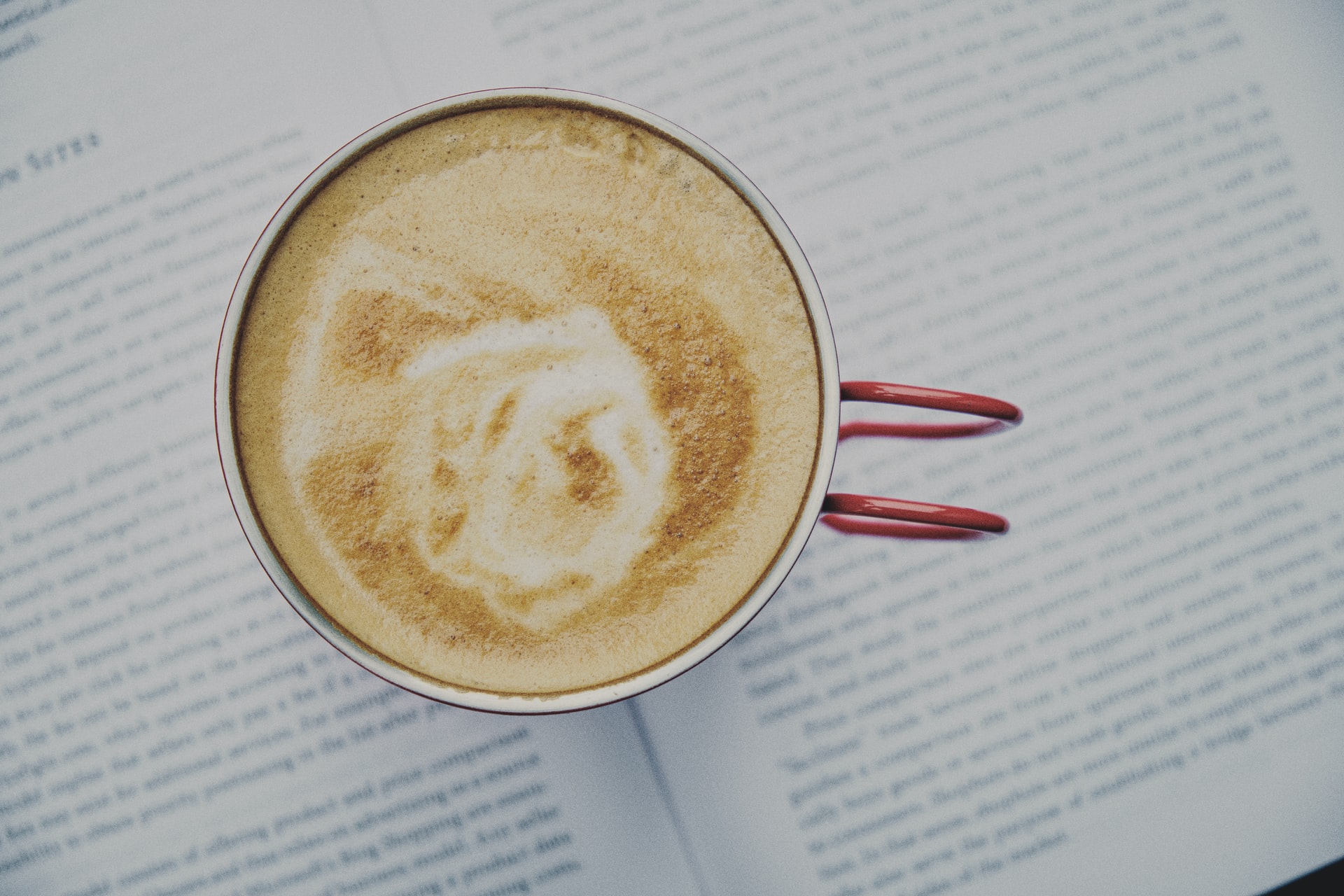
Brew in a cup
The different ways of making coffee drinks and the influence of the machines significantly determine the taste. Still, the most important part remains the coffee itself. Only by using good and quality coffee you can experience the strongest impression of tastes. A good old classic, brew in a cup is exactly what it sounds like. Perfect if you don’t have any brewing tools or coffee makers by your side. This method requires the least amount of preparation and time. All you need is a kettle to boil water and a cup to brew coffee in. The process comes down to adding a couple of spoons of your favourite ground coffee (or grind fresh before brewing for more freshness and aroma) to the cup and pouring hot water over it. Let it steep for a few minutes while flavour reveals and it’s ready to drink.
While steeping, you can cover the cup for better extraction. You can leave the grounds in the cup or take them out by pouring prepared coffee to another cup and leaving the grounds on the bottom. Coffee prepared this way will have a pretty high caffeine level, since the longer your grounds are submerged in water, the more caffeine they release. Just be careful too much caffeine and you might struggle to sleep. Brewing right in the cup without any filter may increase flavour intensity. It’s worth noting if steeped for too long, your coffee may develop bitter notes.
Drip or filter brew
This preparation method requires a filter coffee maker. Generally affordable, these coffee makers do the most work for you. Each brew needs a paper filter that goes inside the brewer. Simply add water to the special water tank, ground up coffee to the filter and press a button to start brewing. Water is heated and slowly released through the filter with your coffee. Prepared coffee slowly drips through the bottom of the filter into a carafe used for serving and pouring.
A fairly simple method that is perfect for brewing larger amounts of coffee. Some brewers can prepare up to 8 or even 12 cups at a time. Whilst others offer heating to keep brewed coffee warm for longer. As water seeps through ground coffee, it absorbs its oils, flavours and essences. This allows it to reach an intense, strong flavour. Additionally, a study by the European Journal of Preventive Cardiology found that filtering coffee is healthier than consuming it unfiltered.

Pour over method
This brewing style requires a few tools. You will need a kettle, a Chemex or V60 brewer, some filters, a timer and ground coffee. It also needs more time and slightly more effort, since it’s a manual brewing process and has a few steps. Generally, boiling water is slowly poured by hand over ground up coffee. This then sits in the paper filter, same one as in your filter coffee maker. However here everything happens manually, and the more experience you have with it – the better. Throughout the process you have to control the pour, keep it slow and even. Aim to move in concentric circles from the center outward.
Follow the timer, as the first pour should be only 15% of your water, then allow the coffee to “bloom” for 30 seconds and continue pouring the rest only after. Total brew time should be around 3 minutes for a 400ml brew. Such a method really allows you to get hands on your coffee experience, at the same time allowing you to adjust variables each time you brew and experiment with it. Such brews end up tasting very light and clear, so any lighter coffee fan will love it. They are also perfect for revealing subtle properties of specialty coffees.
Cold brew method
This method is great for summer, but can be enjoyed any time of the year. Cold brew is quite a lengthy method, but it does not require much of your attention. You should grind your beans pretty coarsely and place them in room temperature water. Leave the mixture steeping for a certain amount of time, you can also place the brew inside a fridge for a crisp freshness.
Cold water allows to keep the bitterness away from the brew, however caffeine levels are pretty high in coffee prepared this way, since it has a long contact with water. Cold brewing can extract completely different flavour notes from your typical bean and flip your coffee experience upside down. However, keep in mind that cold brews can take from 12 to 24 hours to brew, so if you want your coffee here and now – you might have to go for another method!

Espresso brew
It’s a classic Italian method where pressurized hot water is passed through a filter containing finely ground roasted beans. This technique requires an automatic or a traditional espresso machine. The force of the water produces a highly concentrated coffee shot with its signature crema (a creamy foam) on top. Espresso is generally thicker than coffee brewed by other methods, and as a result of the pressurized brewing process, the flavours and chemicals in a typical cup of espresso are very concentrated and strong-tasting.
An easy way to prepare an espresso is using an automatic coffee machine, where preparation comes down to one touch of a button. A standard manual espresso machine will require you to grind separately, tamp ground coffee with the right pressure and adjust water ratio for best flavour. It’s suitable not only for those who like stronger, more creamy coffees, but also for milk coffee lovers, as espresso is the base of any milk coffee beverage.
Sum up
Different coffee preparation methods can be enjoyed during different occasions or even seasons. Experiment with your brews to find which one suits you best, or maybe you already know your lifestyle can accompany only one of the mentioned methods? Don’t forget that coffee is a journey, why not treat yourself to an espresso in the morning, a V60 in the afternoon, and a cold brew during the weekend? It’s all part of finding which is your perfect cup of coffee.