

How To Protect Your Home In Cold Weather
When Texas had that cold snap last month, it made me panic how we would manage here if something like that happened. There are quite a few precautions you can take to protect your home in cold weather.
Radiators
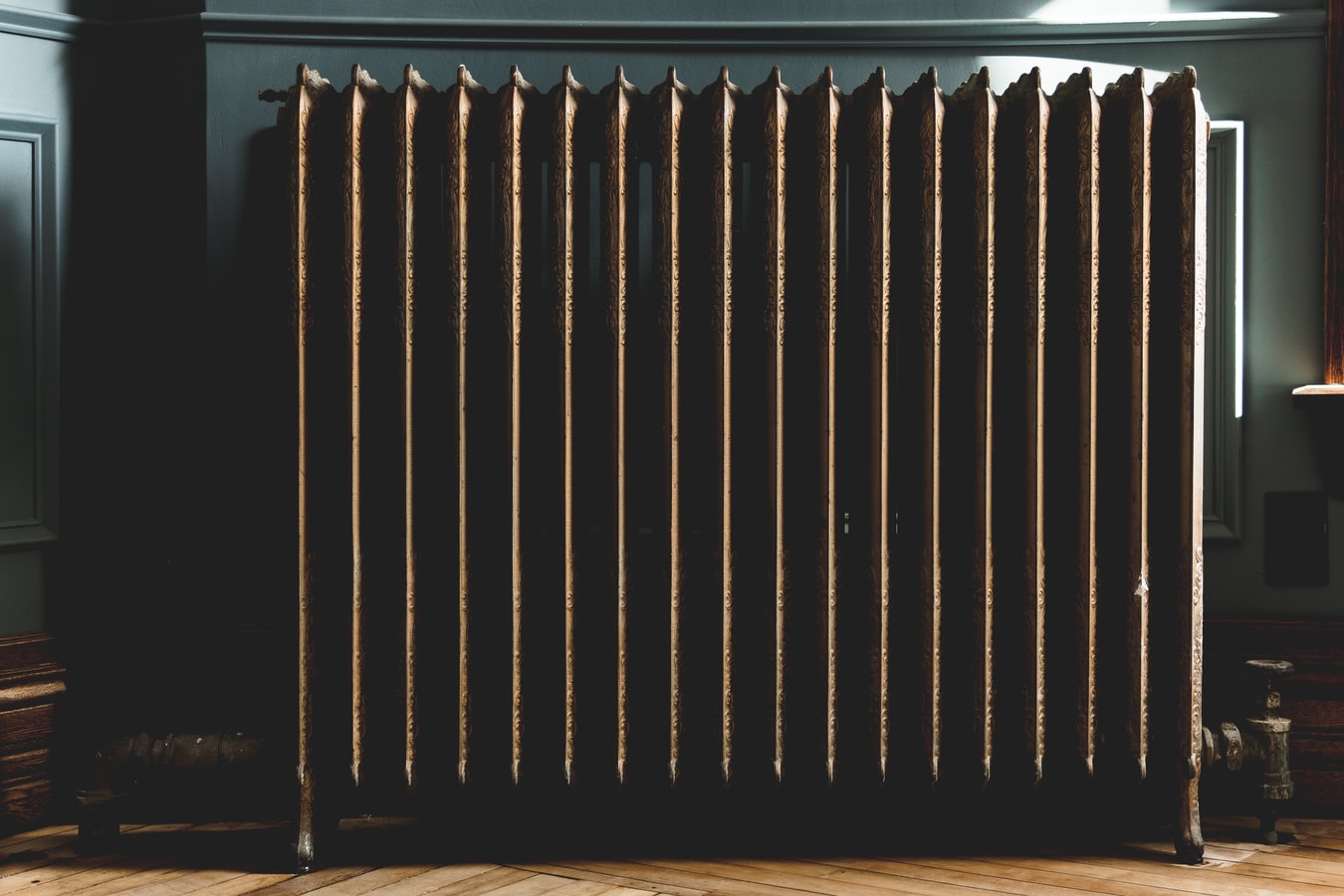
Make sure you bleed your radiators, so they work more effectively and there are no cold spots. Simply open the values a little to let out the air, some water usually escapes so have a cloth ready! This usually happens because we only tend to use our radiators part of the year. I
t might also be wise to power flush your system if it has not been done in a while. This is when you add a chemical at a high pressure to clear out all the sludge and debris in the radiators. You should aim to do it every six years.
Thermostats
Heatline.com are heating cable systems designed to cope in exceptionally bad weather. They increase heat output when cold and decrease when warm. The self-regulating cable stops the pipes from freezing. Burst pipes can be very expensive to replace.
Service Your Boiler
Make sure your boiler is winter ready and working reliably. Get the boiler pressure checked.
Clear Your Guttering
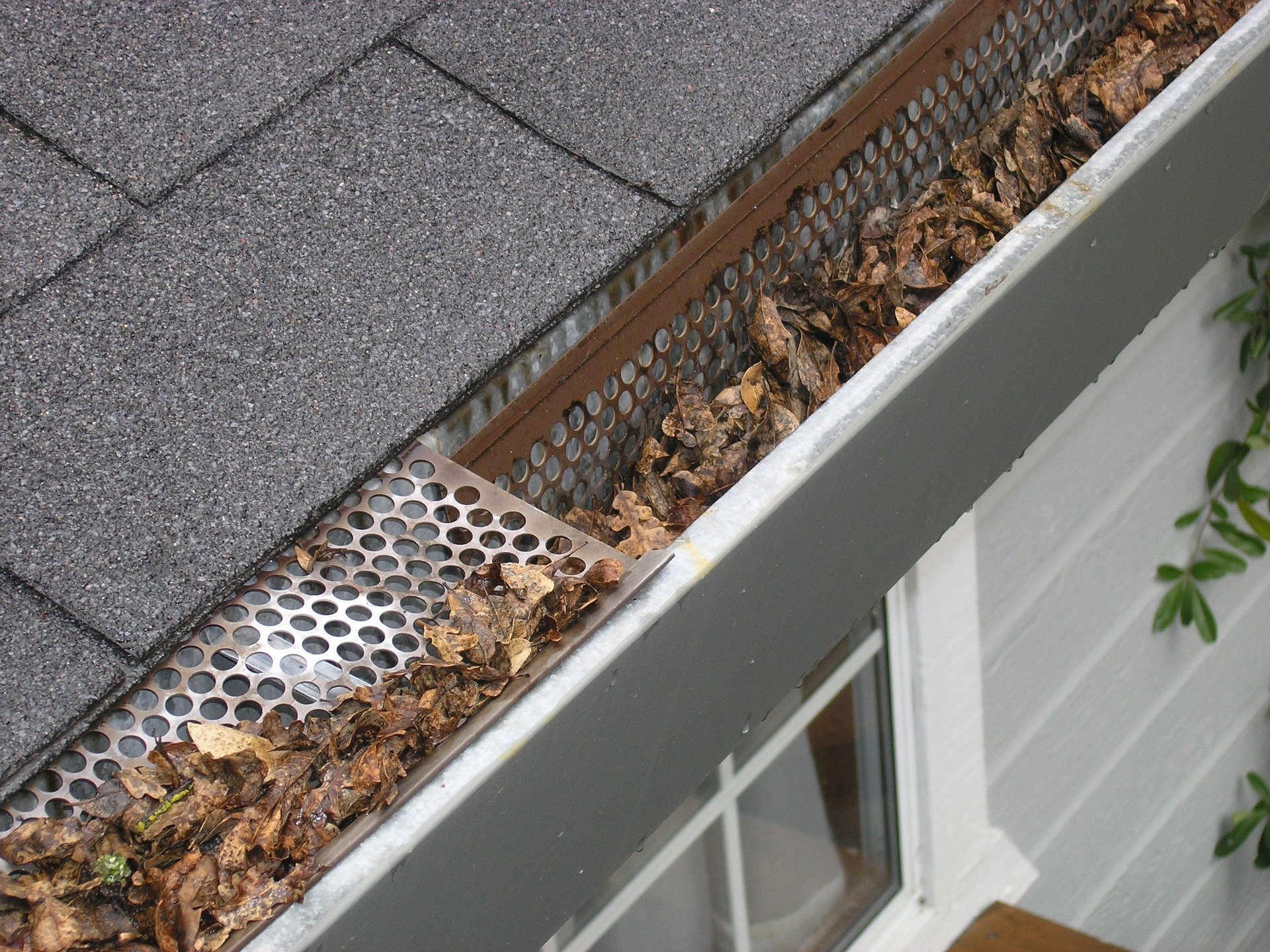
Clear gutters to stop the rain going into the roof. Guttering has a life span of about twenty years, so you need to think about replacing it if it is starting to get old. Just give them a visual check and go from there. It might be as simple as just emptying out the debris and leaves.
Roof Spot Check
It is a good idea to check the condition of your roof. Especially in bad weather when tiles might have become loose or blown away letting rain damage your property. Go up into your attic and see how things are faring there too. Check for water damage and sagging. Things to watch out on the roof are moss growth, which causes moisture damage.
Protect Your Home From Draughts
Getting rid of draughts in your home is quite a cheap way to cut back on your energy consumption. You just need to block up any gaps where the cold weather is getting in. Always make sure your loft is properly insulated too.
Have A Back Up Kit For Power Cuts
It helps to have a kit filled with essentials in case you have a power cut! Make sure you have candles, matches, a flashlight and batteries. It is also a good idea to have a stock of tined and dried foods in case the power cut lasts longer than you expected.