

8 Ways to Make More Sustainable Fashion Choices
How often do you buy fast fashion? These days, while many outlets provide affordable fashion clothing items, these stores’ prevalence can result in a huge problem where fast fashion is concerned. What exactly is fast fashion? Fast fashion is described as cheap trendy items that take inspiration from the catwalk to allow people to quickly wear the latest clothing trends. However, with trends frequently changing throughout the year, this can result in many discarded clothing as the fashions change. As well as being bad for the environment. Fast fashion can also be expensive too. This article wanted to look at ways you can make more sustainable fashion choices.
How can you avoid falling into buying too much fast fashion and make sure the items you buy aren’t contributing to the problem? After all, you want to buy still clothes that are in fashion or to replace worn items. But making some small changes to how you shop and choosing your clothing more sustainably can help you save money and reduce your impact on the environment.
Consider the Materials Used
Some materials are better quality than others. Therefore checking the label on what you are buying can indicate how well it will wash and wear over time. Choose natural products, organic if you can. Especially as these pieces will be designed to be worn time and time again. Polyester, acrylic, nylon etc., are cheaply made. But they aren’t designed to last. Buying clothing made from these materials would be an indicator of the quality and durability of the piece.
How Often Will You Wear It?
A rule is gaining popularity in the sustainable fashion world, and that is the 30 wear rule. So when you are considering buying a new outfit, take a second to consider how often you could potentially wear it. Whilst also keeping in mind what you already own you can wear it with and how versatile it is.
If you don’t think you will wear the time more than 30 times, it isn’t considered essential, and you should think carefully before purchasing it. In fact, you can apply this rule – devised by Livia Firth, to everything you own. If you feel you will never wear it again, donate it or sell it to free up space and allow someone else the opportunity to wear it 30 times before it is condemned to a life on the rubbish heap.
Think Capsule Wardrobe
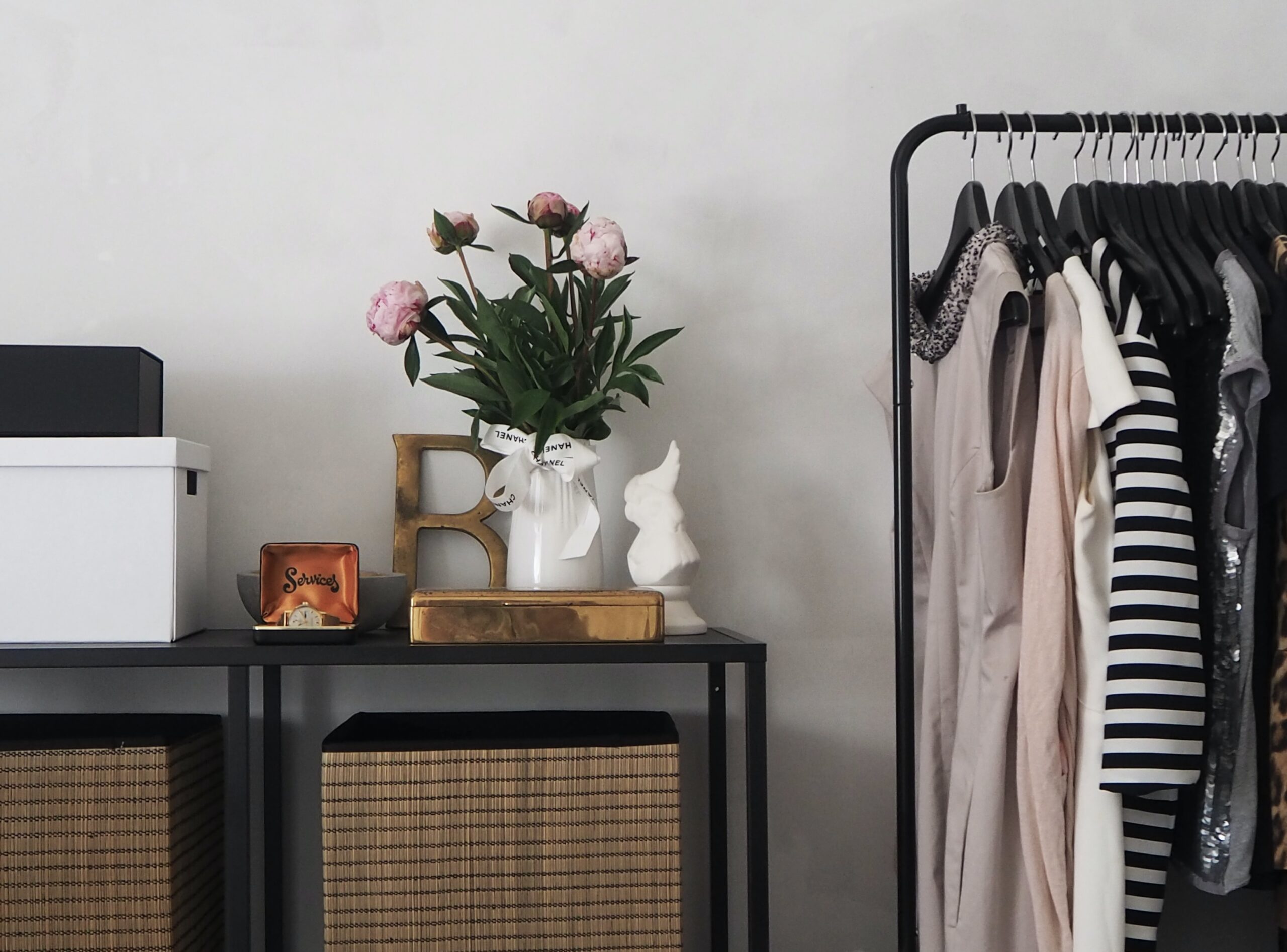
Another great option to help you avoid buying fast fashion and keep a more sustainable, ethical wardrobe is to consider having a capsule wardrobe. A capsule wardrobe comprises a set number of clothing items that can all be worn interchangeably in different ways for different occasions. They are popular for travellers and those who are part of the tiny home movement.
Typically capsule wardrobes contain neutral colours and avoid heavy patterns that could date instead of sticking with block colours.
A great capsule wardrobe can be tailored to your personal style and will usually contain;
- A good outerwear item – Trench Coat, Raincoat, Denim Jacket, Hoodies etc
- A Leather Jacket
- Button Up Shirts/Blouses
- A Good Fitting Suit
- Knitwear – A Jumper, Cardigan, Dress.
- Simple T-Shirts – Neutral Colours
- Denim – Jeans, Shorts, Shirts, Skirts
- Two Pairs of Shoes – one more casual pair that can be dressed up and down and a smart pair of shoes for more formal occasions
- Belt
- Little Black Dress – Or red, green etc., but one dress that can lend itself to different situations is ideal.
Check Credentials
How committed is the brand or designer to providing sustainable fashion? You can even find good sustainable items in high street stores now, too, meaning; you can still shop in your favourite stores, and be more conscious about what you are buying.
Do your research into the brand and check what they are doing to reduce their environmental impact and make sure they are not only saying the right things but following through on them too.
You can usually find out everything you need to know by checking any websites, social media pages or doing a quick Google search and seeing what comes up.
Be More Informed
If you are serious about reducing your reliance on fast fashion, then you can arm yourself with as much information as possible to help you make better, more informed choices.
Doing research can help you identify any brands whose ethos matches your own. Take time to find new emerging brands in sustainable clothing to help you buy better. This is a great way to introduce yourself to a whole new fashion industry sector and give you more of a choice than realised was possible.
Upcycle
Can you try your hand at upcycling items you no longer wear or are damaged? Aside from learning a new skill, you can also create new clothing items from what you already own. If you can’t upcycle items yourself, why not teach yourself how to sew or find a tailor who can do this for you? Their expertise can help you create something new either for yourself, your children, or to sell on to other people.
It could be something as simple as creating a new pair of shorts from a pair of denim jeans. Or try changing a dress to a skirt or altering the shape to make a completely new dress.
Adjust How And Where You Shop
If you tend to splurge on fashion, then putting some rules into place can help you avoid this urge. Alternatively, you need to look at the places you shop and reduce how much you browse the sites or shops to eliminate the desire to purchase anything.
Moving away from brand new clothing, there are always some great finds in charity shops that you can keep an eye for. Not only are you saving items from landfill by shopping for preloved clothing, but you can also save yourself some money by not buying brand new. You never know what you will find in a charity shop, but if never look you will never discover anything.
Alternatively, shopping online at eBay, Vinted, Etsy, Shpock or free community sites opens up your options even more.
Change Your Mindset
Lastly, what springs to mind when you think of sustainable fashion and fast fashion? There is probably a big difference in what you perceive to be true about both. Changing your mindset can help you remove the stigma that is often associated with eco-clothing or sustainable fashion. Not everything is linen or whites and creams, and there is a wide variety of materials and designs used in a sustainable fashion that you might not even realize.
Part of exploring your options and removing my preconceived notions is to fully explore what is on offer and the materials and designs that are currently being used. On the whole, more neutral colours will be immediately prevalent; however, scratching the surface can show you what sustainable brands and designers can offer you to make more sustainable choices.
In conclusion, choosing to reduce how much money you spend on fast fashion and how many items you add to your wardrobe is never going to be a bad decision. Take it slowly. Make sure you really do your homework so you are comfortable with any changes you are making and why you are making them. This doesn’t mean you will never be able to buy fast fashion again. After all, there is always a time and place for everything. But focusing on making better choices can help you build a better wardrobe. Ultimately that will also be better for your bank balance and the environment.