

Why Investing In Land Can Be Profitable
Many people wonder if investing in land is a good move. Land is always a good investment because there is only a limited amount and it appreciates in value. The question is why to invest in land. What purpose will your purchase serve?
Undeveloped or “raw” land can be bought at a low price and requires very little maintenance. Investing in land is different from other real estate investing, such as multi-unit buildings, condos, house flipping, or development. Whether you are buying land to develop at a later time or to hold on to it for a decade and sell later for a profit, there are things you should know about the land you are investing in. Before investing in land, you have lots of things to take into consideration. Your budget can help you decide which undeveloped property meets your criteria for purchase.
Do Your Research
After finding properties in your price range to invest in, assess them for their potential. Assess the physical location. Find out about property taxes, land use restrictions, and zoning that may prevent you from using your property for its intended purpose. See what’s in the community around it, what businesses are close by, and the potential for development in the area. You may consider developing it into a residential or commercial property to rent. You may want to wait for the community around it to develop. If you are planning to make this land your home in the future or hold on to it and sell it for a profit, you can also let it produce an income.
You have the option of renting or leasing it. Some businesses use undeveloped land as a part of their operations. You can also divide it into plots to rent, lease or sell. Ranchers, billboard advertisers, and those needing event space may lease your land. As a landowner, you can offer buyers financing options. If the greatest value for the landowner is its potential as a future home, you have time and foresight to begin the process of creating and developing elements of the home you will live in for the rest of your life.
Be Thorough
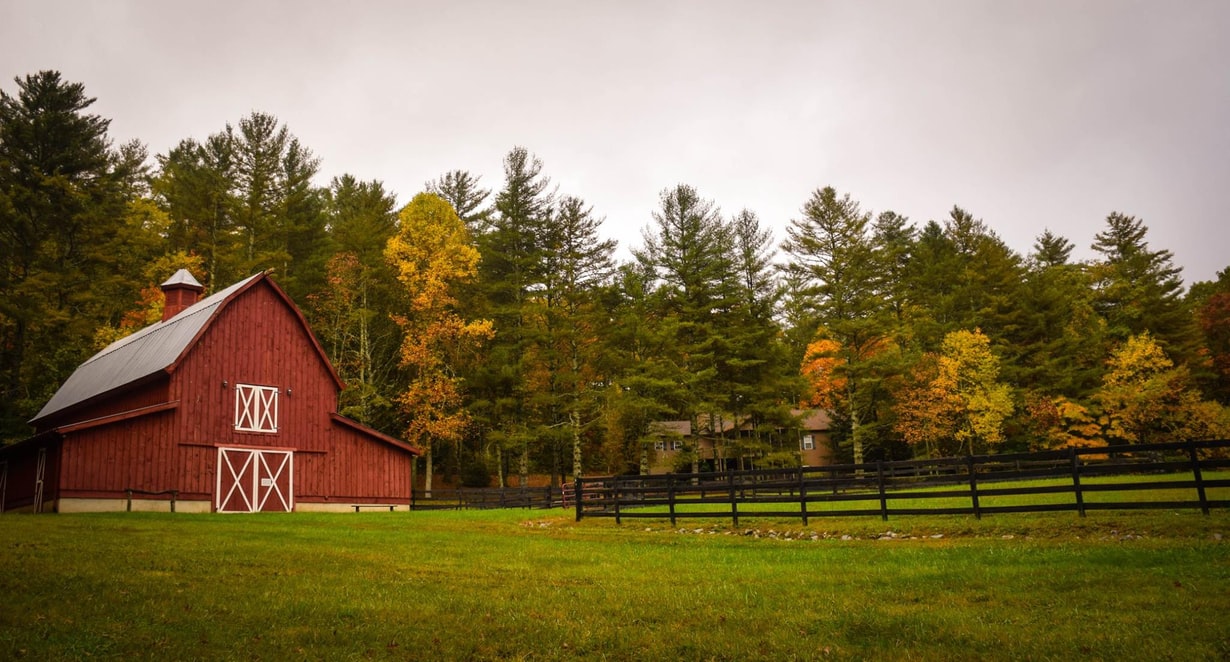
While assessing the property, check often to see how sunny it is at different times of the day. Are there shade trees or should you plant some while your property is being rented or leased? Look at your land from different angles. Can you see where you want your exterior barn door or backyard? Whether you erect a prefabricated home or have one build from scratch, you will need the help of a good contractor. You may also want to consult with a designer to see how well your expectations can be met on your budget.
When you buy land, always have its future use in mind. Find out about topography, soil, and drainage. Find out if there is an easement on the property that gives others the right to use your land. Power lines, utility companies, the general public, and neighbors all may have the right to use your property, including roadways.
You should get vacant land insurance in case someone is injured while on your property before you develop or sell it. You will also be responsible for its maintenance such as mowing the grass.
Benefits of Undeveloped Land
Undeveloped land is an inexpensive investment that can pay off in many ways. While you are getting your ducks in a row to further develop it or sell it, it can produce an income. Undeveloped land does not have the same legislative regulations as other real estate.
Undeveloped land may be inexpensive enough that you can afford it without a loan. Check to be sure utilities and internet are available. Find out how the land was being used before you bought it. Assess the community and businesses close by and the potential for growth and development. Land is a good investment because it increases in value whether you develop it or not. It offers investors ownership and the opportunity to prosper whether by return on investment or a more comfortable lifestyle. Land ownership is not the end of the journey, it’s the beginning.