
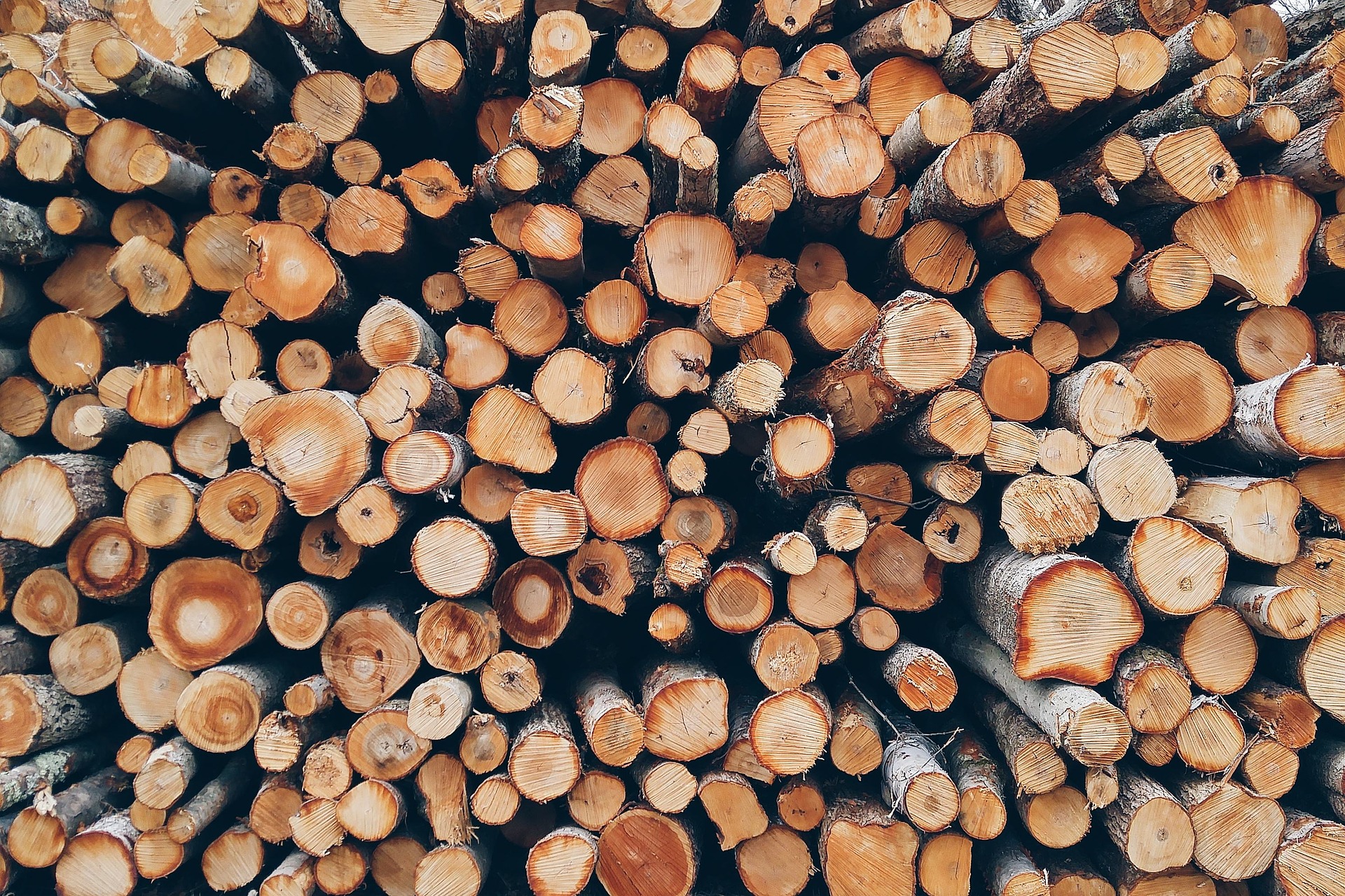
Treated Timber Benefits and Best Tips
If you’re working with timber in a construction project, then the chances are that it will have been treated to some extent before it finds its way into your hands. This means that it will have been sawn and dried. But it might also mean a whole range of chemical enhancements which improve longevity and resilience.
Let’s take a closer look at treated timber and what it has to offer.
The benefits of treated timber
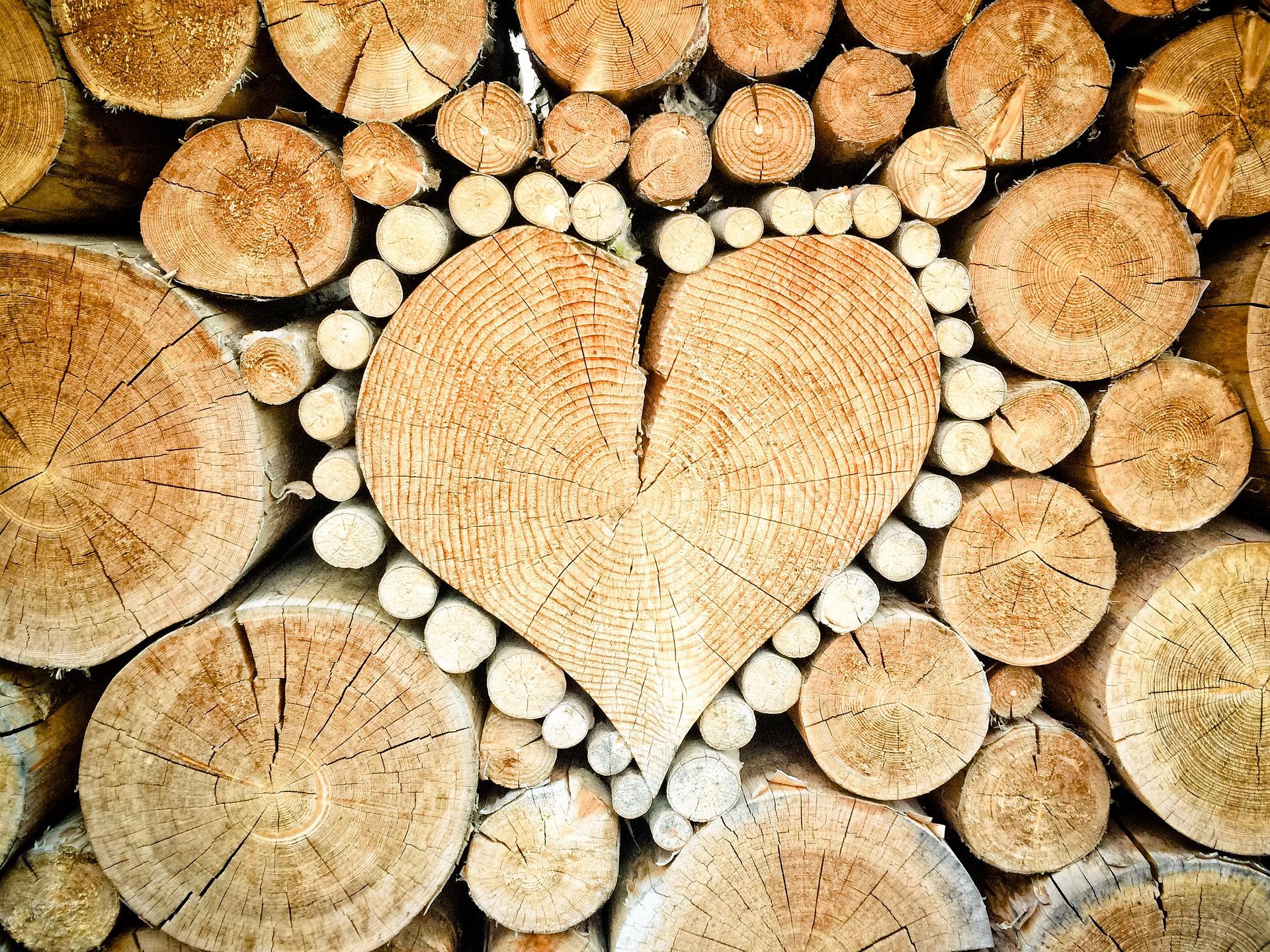
Treated timber tends to last longer, as it’s been pressure-treated using preservatives. These help to discourage certain kinds of insects and fungus. All of which are the sort of pests that would normally feast on untreated timber. Certain kinds of treated timber will even work in spaces that are submerged for prolonged periods of time. Such as the border around a garden pond. It’s also fire-retardant, which makes it a great choice for areas of a structure where fire is a possibility, and needs to be slowed down.
How do I work with treated timber?
Treated timber, by and large, can be dealt with in much the same way as any other kind of timber. You’ll need to take certain safety precautions when sawing and sanding it. However, you will need to pay a little bit more attention to dust control, and you’ll need to avoid burning it. This is because the chemicals inside the wood can be harmful when it’s airborne. You’ll want to cut all of your treated wood outdoors rather than indoors. Also, it’s worth wearing a dust mask at all times.
Treated timber also has a tendency to shrink very slightly while it’s drying out. This can lead to cracks and other superficial blemishes. In most cases, these changes will be barely noticeable, and they may even contribute to the ‘outdoor’ aesthetic you might be going for.
To get the best from this kind of timber, it’s worth treating it to the occasional coat of preservative. This acts as an alternative to a coat of paint or woodstain.
Why should you work with FSC-certified treated timber?
When you’re shopping for timber, you might come across the letters ‘FSC’. This stands for Forest Stewardship Council, and it’s a way of ensuring that the timber you’re buying has been sourced responsibly. The council is an international nonprofit body which holds supply chains to certain standards. If you don’t buy timber that bears this label, then the chances are good that you’re contributing to habitat destruction and other negative effects.