
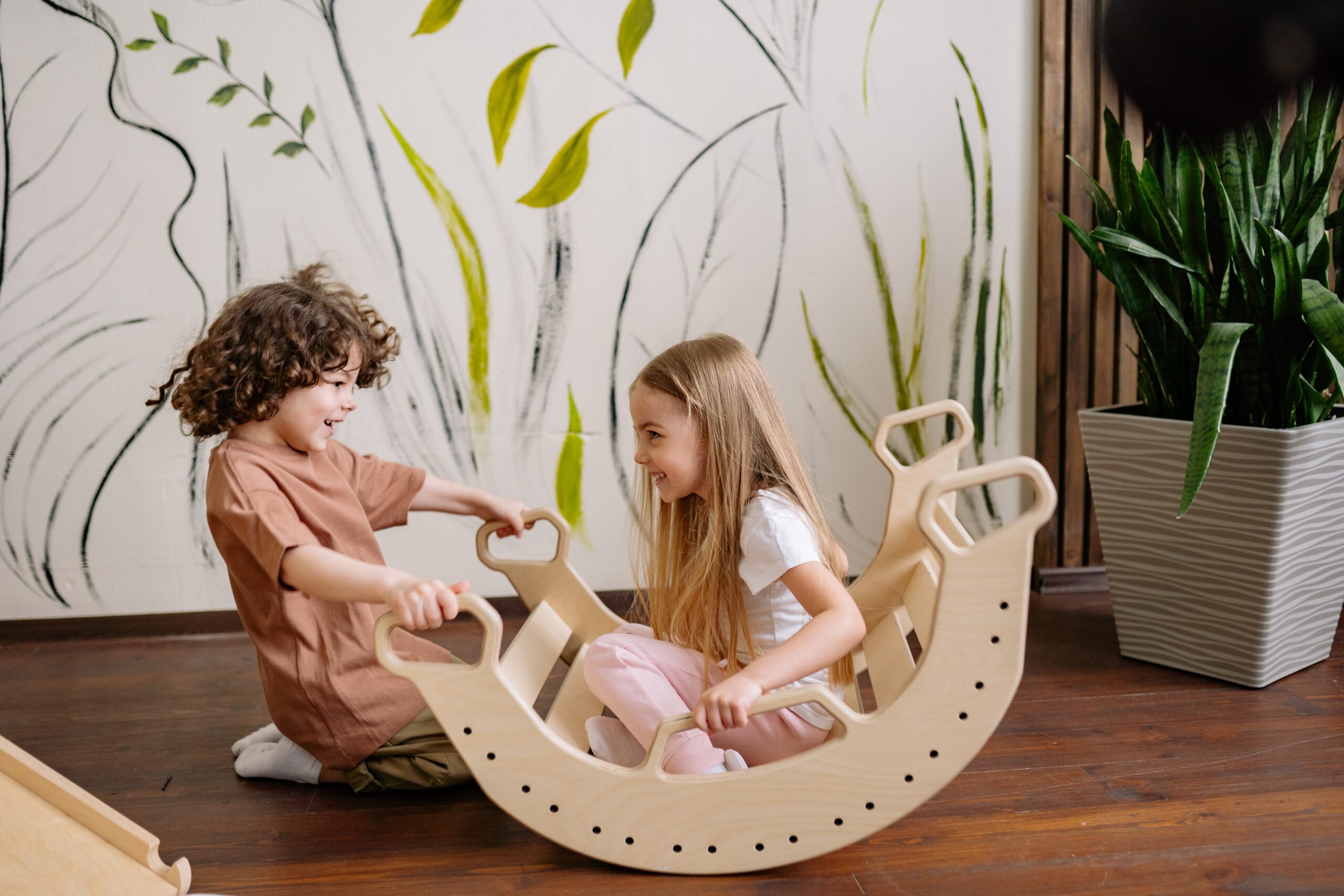
Teaching Your Child to Empathise with Others
Empathy means you have an understanding of another person’s feelings and can share in the feelings that another person is going through. Being able to empathise with others is a valuable skill to have. It will help your child is able to build their understanding of how to be a better person, be able to identify different emotions and more.
Many schools will embrace the understanding of empathy through pastoral care, extracurricular activities and problem solving exercises, but you can also develop your child’s skills from home in the same vein. Here are some ways you can teach your child to be empathetic.
Praise empathetic behaviour
When your child is expressing kindness and wants to help others then you should praise them for their efforts. For example, if their friend trips and falls over, and your child immediately goes to a teacher or grabs a plaster for them and some tissues, you can use this opportunity to praise them.
When praising empathetic behaviour you should be as specific as you can. It’s more likely to stick in your child’s mind when they perform these actions. And it will increase the likelihood that they would repeat similar actions in the future.
Read meaningful stories

Plenty of children’s stories will have moments that show the reader lots of different core values, such as compassion, respect and confidence. Empathy will be a big one for students to pick up as they get older. Reading books that teach your child about how to care for others and what to do in different situations will show them what they can replicate in real life. If you make a bit of a fuss and point out which things are good to remember and keep in mind it will have a better impact.
Work on your child’s social skills

Empathy can be naturally taught in children through the social skills they pick up from their friends, family and teachers. It’s a good place to help your child work on their communication and develop their problem solving skills, which can be seen in developing an empathetic mind. A child that’s more comfortable talking to others can learn to recognise different feelings, mannerisms and work out how they can help where they can.
Being able to empathise with others is a skill that we all use in our lives, empathy will teach your child how to support their friends, work on their own wellbeing and know how to overcome different problems. Having the opportunity to work on being empathetic makes children more reliable, supportive and inspiring. Try lots of different methods to get children thinking about empathy on a regular basis, and see the changes for yourself.