
The telltale signs you’ve got pests
There are a few signs you’ve got pests. For example, you might have found some droppings or had damage to your belongings. This article will look at the telltale signs in more depth. So, you can identity the problem and then contact pest control to quickly rectify it.
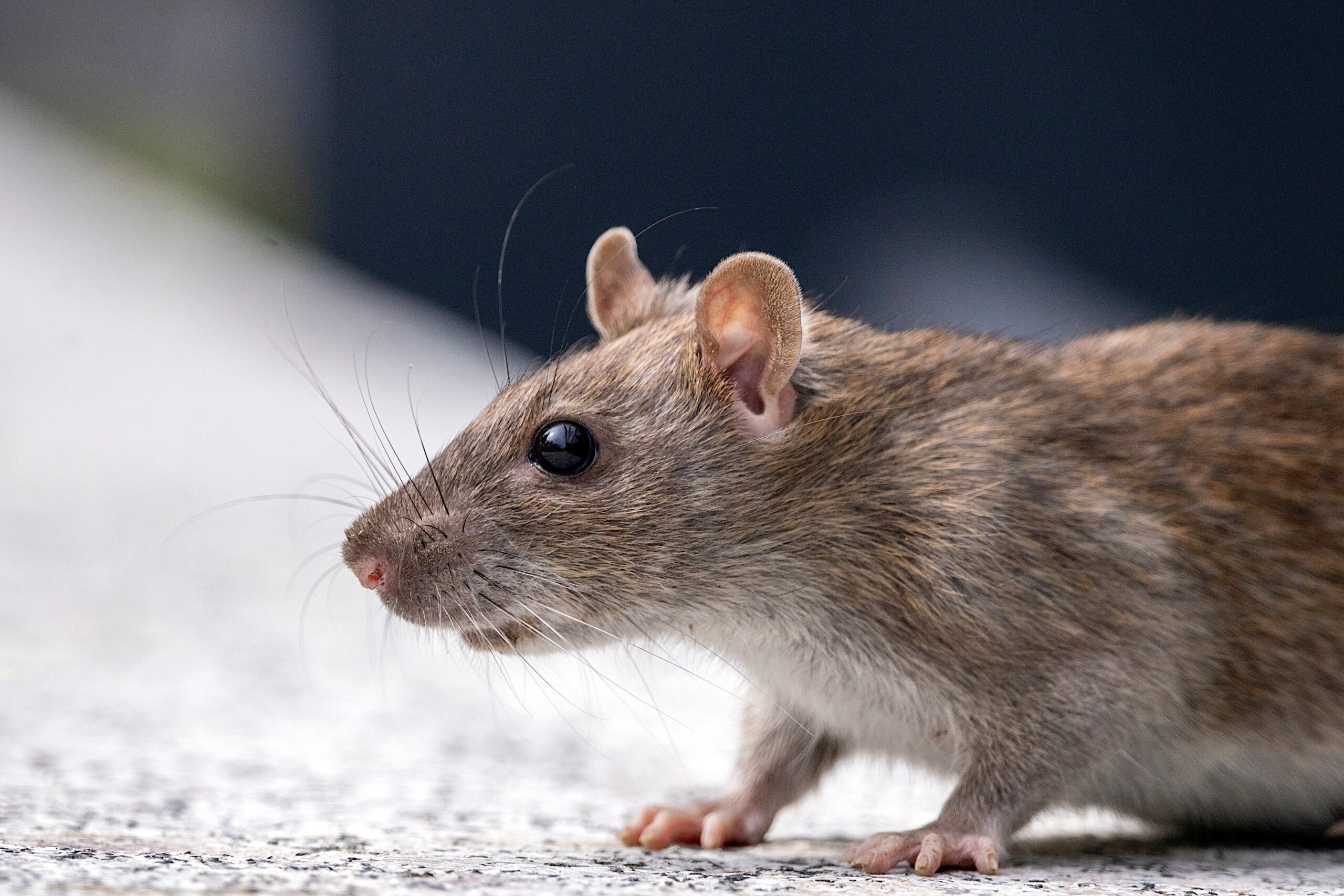
Have a look at pest control costs so you know what you can expect to pay. Many pests can cause significant damage to your home such as woodworm. Or they carry dangerous diseases such as Weil’s Disease, Salmonella and listeria in the case of rats. Therefore, you don’t want to leave the problem unresolved for the sake of your property or your health.
In the UK you tend to find mice, moths, ants, rats, bedbugs, flies and woodworm. But squirrels are also a serious problem as they chew through cables. Some pests only come out at night so it might be harder to spot them. Bed bugs are one pest that are most active at night. So, it’s important to be vigilant for pests both at day and night.
Different Sounds
Hearing pests scampering along inside your walls or loft space can be quite unsettling. But it’s a telltale sign that will help you identify a likely pest infestation. There are other sounds you might hear too, such as squeaking, hissing or buzzing.
If you hear flapping, then a bird might have got inside the house. Sparrows and starlings are the most common bird to make its way into your home. They fit through small gaps. You might think they look quite sweet, but starlings have acidic faeces which can cause so much more damage than you think.

Sparrows can also be problematic, there nests can create a fire hazard depending on where it is located. Electrical sources and straw, dried out weeds and feathers don’t go well together.
Different Smells
You might have noticed different smells in your home. That is another of the telltale signs you’ve got pests. There might be musty smells or urine depending on what pests have settled into your home. Apparently, bedbugs have a sweet smell so that’s something to keep in mind.
Damage
You might notice access holes and gnawed cables with the likelihood its rats, mice or squirrels. If you find lots of little holes, it’s probably woodworm. Left untreated woodworm will weaken the wood because the larvae love eating it.
Droppings
If you find dark droppings, they are usually signs of a fresh infestation. Mice droppings are about the size of a grain of rice, so you do need to be a good spotter to find them. If you find longer pellets with a thicker middle its likely you have a squirrel in the house.
Greasy residue
You might not spot the pest itself, but you might find a greasy residue which marks its journey through your home. Slugs can damage your carpets and furniture. But as they are nocturnal, they might be out when you are sleeping.
Apparently, the average UK garden has as many as 20,000 slugs which is an off-putting statistic. They can also carry lungworm larvae and can infect your pets dogs. Once ingested the lungworm lives in the dogs heart and can cause multiple complications.
Prevention
There are things you can do to help deter certain pests.
Make sure you don’t leave food out which can encourage mice, ants, rats and squirrels. Also be careful with your waste bins, as pests love rubbish as much as proper food from your kitchen. Not keeping on top of sanitation will make it harder to get rid of mice.

Keep your property very clean and tidy. This means you won’t have tempting spillages or leftover food out. Also, droppings will stand out in a cleaner home so you can sort out the problem straight away. If you let dirt and dust build up, you might not notice there are droppings among it all.
Block any obvious entrances to your property. Also, for squirrels make sure tree branches don’t overhang close to your attic to make access easier.
Regular flea treatment for your pets. Some products require monthly treatment, others are quarterly. In between its important to make sure you wash your pets bedding as this can help with flea eggs.
Spray predator scents. You can buy bottles of predator scents to spray in problem areas like your loft and that will deter them. Squirrels don’t like fox and dog scents and rats aren’t keen on cats or ferrets. Mice don’t like cat scents. But you could also use peppermint oil to deter them, which is probably more pleasant!
In Conclusion
Hopefully you feel more prepared to spot those telltale signs you’ve got pests now and have more confidence about what you can do to prevent a problem in the future.