
Introducing Dancing Through Time
Dance has developed over time to reflect changes in style, society, and creative expression. Traditional and modern dance styles each have their own special appeal, as do separate sets of dancing elements.
The essence of traditional dance
Traditional dance forms draw from the rich tapestry of a culture’s history, frequently commemorating tradition, rituals, and storytelling. These dances have been passed down through generations, and they serve as an ongoing connection to the past.
Live Music
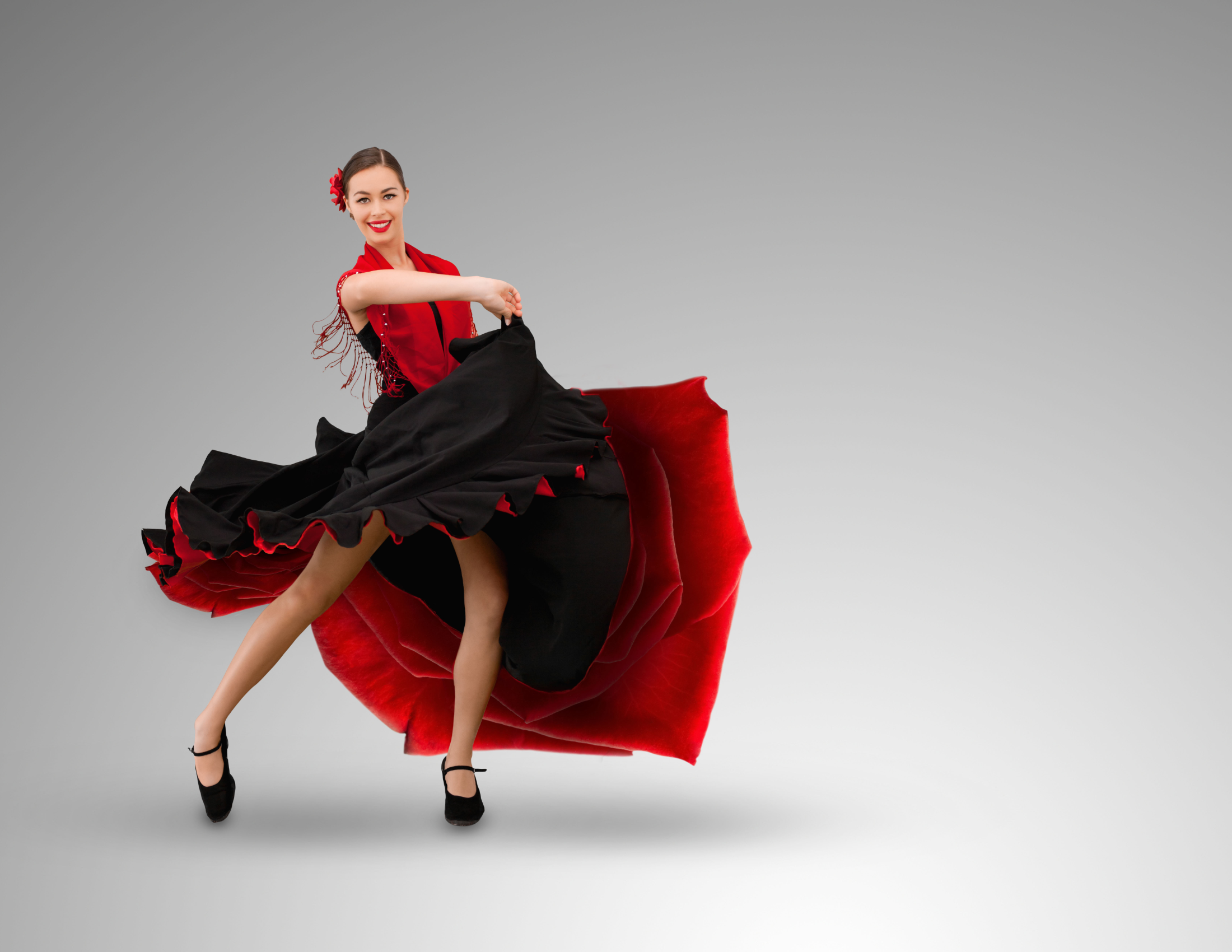
Live music is frequently used in traditional dance. Whether it’s the lyrical tones of a piper for Scottish dance or the rhythmic beat of flamenco guitar and castanets for Spanish dance. Live musicians provide a genuine atmosphere while setting the tone for the dance performance.
Footwear
This is the section where we go into the world of Irish dancing shoes, https://www.keilys.com/irish-dance-shoes/. Irish dancing shoes are distinguished by their distinct design, which includes both soft (also known as ghillies) and hard shoes. Soft shoes are distinguished by their smooth, lightweight style and are appropriate for dances requiring fluid motions and delicate footwork. Hard shoes, on the other hand, are more durable and make unique, rhythmic noises as the dancer strikes the floor. This combination of soft and firm shoes in Irish dancing increases the percussive character of the dance and highlights the dancer’s skills.
Attire
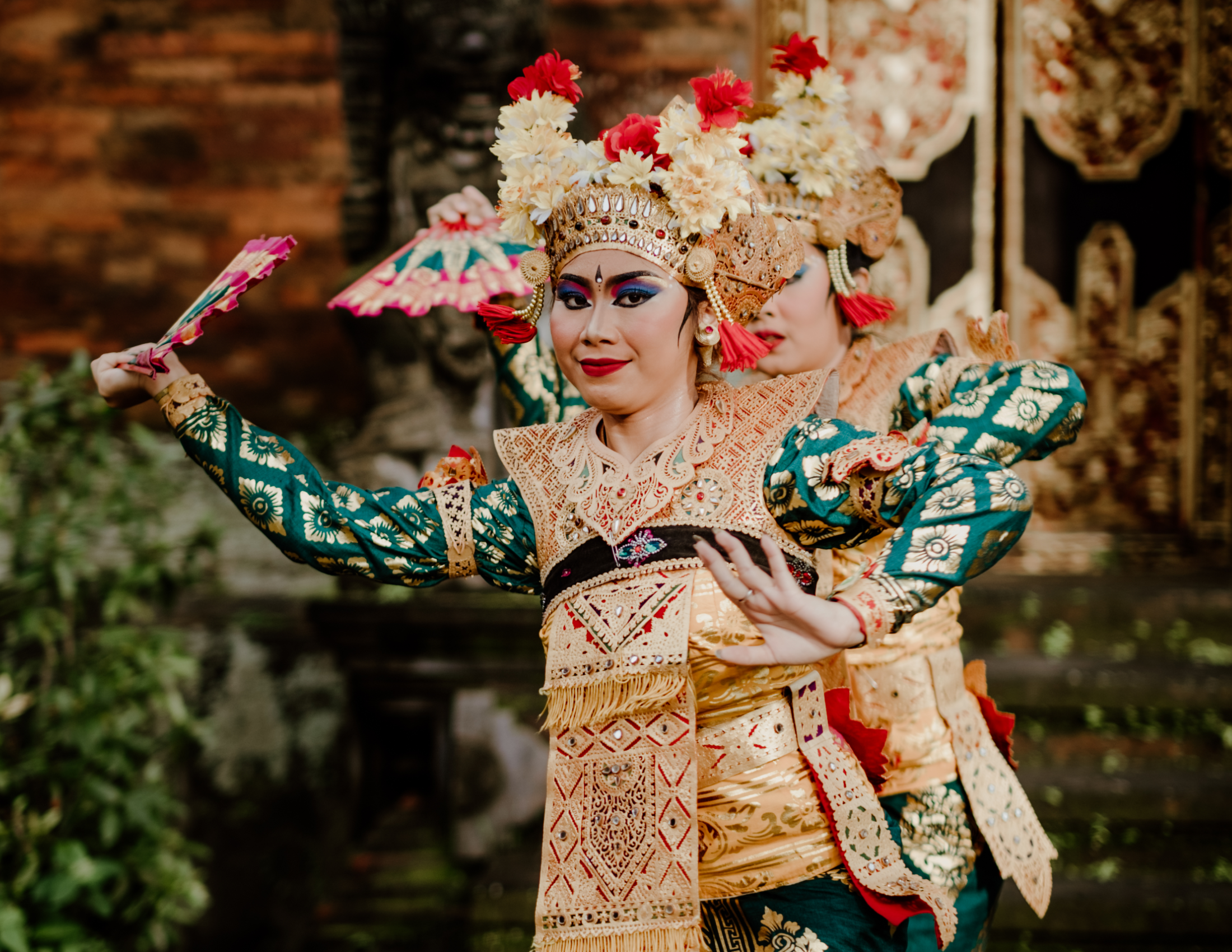
Traditional dancers dress in outfits that are firmly ingrained in their culture. Kilts and sporrans for Scottish dancers, flowing gowns and shawls for Spanish flamenco dancers, and delicately tailored dresses and waistcoats for Irish step dancers are common examples of this type of attire.
Cultural Props
Many traditional dances include cultural props, such as fans in Spanish flamenco and swords in Scottish sword dances. These items offer meaning and dimension to the dance’s narration.
The dynamism of modern dance

Modern dance, on the other hand, is distinguished by its departure from traditional dance’s formal and regulated motions. It frequently aims to defy traditions, try out new forms, and communicate abstract thoughts and feelings.
Flexible Attire
Modern dance allows for a broader range of clothing options. Dancers wear form-fitting attire that allows them to move freely, such as leotards, unitards, or leggings. The emphasis is on comfort and the ability to effortlessly execute a wide variety of movements.
Bare Feet or Contemporary Footwear
Modern dancers frequently perform barefoot in order to connect with the floor and portray a sense of grounding. However, certain contemporary forms of modern dance, such as flexible dance shoes, may integrate specialized footwear to give support while keeping the connection with the floor.
Recorded Music
Modern dancing, as opposed to traditional dance, is usually accompanied by recorded music. Music is an important component of modern dance choreography, and it is frequently chosen to match and enhance the dancers’ movements and emotions.
Contemporary Props
Props such as chairs, ropes, and even unusual things are used in modern dance to convey meaning or to improve the movement. In modern dance, the usage of props is more experimental and open to interpretation.
This fusion of tradition and contemporary exemplifies dance’s ongoing ability to adapt, inspire, and link people across time and countries. Whether you like traditional dance, modern dance, or both, it’s evident that dancing fundamentals play an important part in recognizing the creativity and spirit of this compelling form of expression.