

Fire Risks That Every Homeowner Should Understand & Crucial Fire Prevention Advice
Ensuring the safety of our homes from fire is a fundamental responsibility for every homeowner. This task is more than just a precaution; it is a critical measure to protect lives and property. A comprehensive understanding of common fire risks and adopting effective prevention strategies are paramount in this endeavour.
Electrical Hazards and Maintenance
The complexity of modern electrical systems in homes can often lead to overlooked hazards. Faulty wiring, overburdened power outlets, and ageing appliances contribute significantly to residential fires. It’s vital to conduct periodic inspections of electrical systems, ensuring they comply with the UK’s rigorous safety standards. Homeowners should be vigilant about signs of electrical issues, such as flickering lights or unusual odours from outlets, and seek professional assistance promptly.
In addition to inspections, proactive maintenance is key. This includes replacing old wiring, using surge protectors to prevent overload, and ensuring that qualified electricians carry out all electrical work. Simple practices like not overloading sockets and unplugging appliances when not in use can also greatly reduce the risk of electrical fires. By staying attentive to these aspects, homeowners can effectively safeguard their homes against electrical fire hazards.
Kitchen Vigilance
The kitchen, a hub of culinary activity, is also a prime location for potential fire hazards. The combination of heat, electricity, and flammable materials makes it an area of concern. Unattended cooking is a major cause of kitchen fires. Homeowners should never leave cooking food unmonitored, especially when using oil or high temperatures. It’s also crucial to keep combustible materials like towels and paper away from the stove.
Regular cleaning is another vital aspect of kitchen safety. Accumulated grease, particularly in hard-to-reach areas like extractor fans, can ignite and cause a fire. Homeowners should ensure that all kitchen appliances are clean and in good working order. Additionally, installing a fire extinguisher in the kitchen and knowing how to use it can be a lifesaver in an emergency. By adopting these practices, homeowners can significantly reduce the risk of kitchen fires.
Safe Smoking Practices
Smoking, particularly indoors, poses a significant fire risk. Cigarettes can easily ignite furnishings, curtains, and other household items, leading to devastating fires. The safest approach is to smoke outside, ensuring cigarettes are fully extinguished in an appropriate container. If smoking indoors is unavoidable, it’s essential to do so responsibly. Using deep, sturdy ashtrays and ensuring cigarettes are fully extinguished can mitigate the risk.
Homeowners should also consider designating specific smoking areas, away from flammable materials and ensuring proper ventilation. Educating all household members about the dangers of careless smoking and establishing strict rules can further enhance safety. While quitting smoking is the most effective way to eliminate this risk, adopting these safe practices can significantly reduce the likelihood of fires caused by smoking.
Chimney Safety
Chimney fires are a particular concern in homes with wood-burning stoves or fireplaces. The accumulation of soot and creosote, a by-product of burning wood, can ignite and cause a chimney fire. Therefore, chimneys should be inspected and cleaned at least once a year by a professional. Additionally, using dry, seasoned wood and avoiding burning trash or paper in the fireplace can help reduce the build-up of creosote. By adhering to these practices, homeowners can enjoy the warmth of their heating equipment while minimising fire risks.
Candle and Open Flame Safety

Candles, though they create a warm and inviting atmosphere, can quickly become a fire hazard if not used responsibly. They should be placed on a stable, heat-resistant surface, away from drafts, curtains, and other flammable materials. It’s also important to keep candles out of reach of children and pets. When leaving a room or going to sleep, homeowners should always extinguish candles.
Open flames, including fireplaces and outdoor bonfires, also require cautious handling. A fireplace should have a sturdy screen to prevent sparks from escaping, and bonfires should be kept at a safe distance from structures and foliage. Both should be completely extinguished after use. By adhering to these safety measures, homeowners can enjoy the ambience of open flames without compromising safety.
The Importance of Electrical Installation Condition Reports (EICR)
Understanding the state of a home’s electrical system is critical in fire prevention. An Electrical Installation Condition Report (EICR) provides a comprehensive assessment of the safety of a property’s electrical installations. It identifies potential hazards, ensuring that homeowners can address them before they become serious issues and potential fire risks. Regular EICR assessments, conducted by qualified professionals, are a wise investment in home safety.
Domestic EICR assessments are particularly important in older homes where wiring may not meet current standards. These reports can reveal issues like outdated wiring, circuit overloads, and potential fire risks. Homeowners seeking expert advice on EICRs can click here for more information from the professionals at Hexo Electrical Testing. Their guidance can be invaluable in ensuring your home’s electrical system is safe and compliant with current regulations.
Smoke Alarms
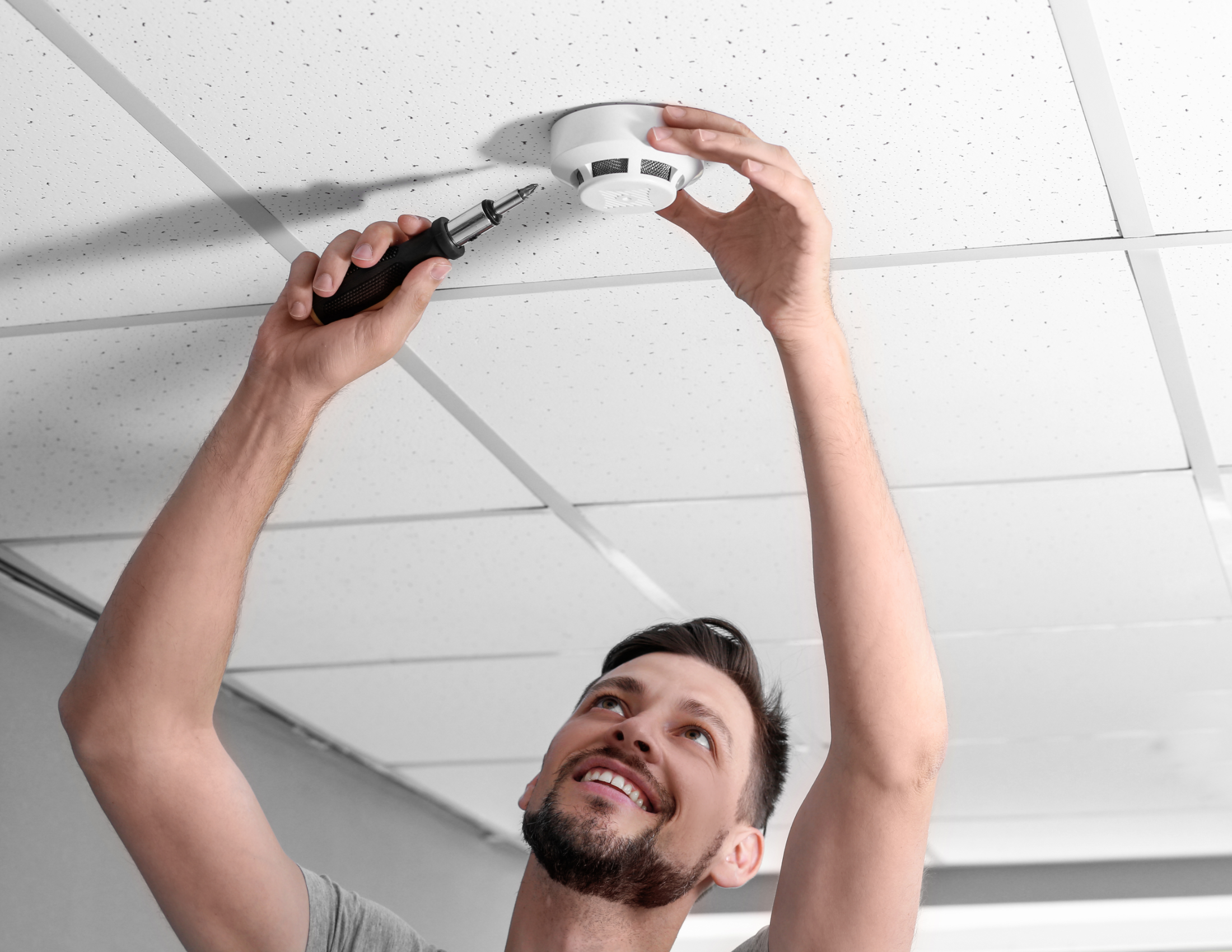
Smoke alarms are essential in early fire detection. They should be installed on every level of the home, including bedrooms and living areas. Testing smoke alarms monthly and replacing batteries at least once a year are crucial steps in maintaining their effectiveness. Homeowners should also consider installing ten-year sealed battery smoke alarms, which require less maintenance.
Fire Escape Planning
A well-thought-out fire escape plan is a crucial component of home fire safety. Homeowners should map out multiple escape routes from each room and ensure all household members are familiar with them. Practising these escape routes regularly, especially with children, helps everyone understand what to do in an emergency. It’s also important to designate a safe meeting place outside the home.
Keeping escape routes clear of obstructions and ensuring windows and doors can be easily opened are vital aspects of the escape plan. Investing in fire ladders for rooms on higher floors can provide an additional means of escape. Regular discussion and practice of the fire escape plan can make a significant difference in the event of an actual fire, potentially saving lives.
Flammable Liquid Storage
Proper storage of flammable liquids is an often-overlooked aspect of fire prevention. Products like cleaning agents, paint thinners, and fuel should be stored in cool, well-ventilated areas. It’s essential to use appropriate containers for these substances to prevent leakage and evaporation. Homeowners should also be mindful of the quantity of flammable liquids stored, keeping only what is necessary.
Storing these materials away from potential sources of ignition, such as heaters or electrical equipment, is crucial. Regular checks of storage areas for spills or leaks can prevent dangerous situations and unnecessary fire risks. Additionally, disposing of unwanted or outdated flammable materials safely and according to local regulations is important for maintaining a safe home environment.
Outdoor Fire Safety
Outdoor fire safety is particularly important during dry seasons. Activities like barbecuing or having a bonfire require careful management. Homeowners should ensure that barbecues are stable and located away from structures and overhanging trees. It’s also important to have water or a fire extinguisher nearby in case of an emergency. Bonfires should be supervised at all times and completely extinguished after use.
Garden waste burning should be done responsibly. Keeping the fire at a manageable size, monitoring wind conditions, and ensuring it’s a safe distance from buildings and greenery are key precautions. Adhering to these outdoor fire safety practices allows homeowners to enjoy outdoor activities while minimising the risk of accidental fire spread.
Summary
Fire prevention in the home is a continuous, proactive process that demands awareness and action. By understanding the common risks and implementing the strategies discussed, homeowners can significantly reduce the likelihood of fires in their homes. Regular maintenance, adherence to safety guidelines, and preparedness are the cornerstones of effective fire prevention.