

Pet Therapy in Care Homes: The Benefits of Animal Companionship for the Elderly
The relationships between pets and their owners borders on the mythical. Not only will both develop unbreakable bonds, but animals can often help those who may be suffering from chronic conditions (such as the elderly population). Let us take a quick look at why pet therapy within care homes has become commonplace as well as the amazing benefits that it can offer.
Tactile Contact
While researchers have yet to understand the complete process, numerous studies have shown that simply petting an animal can dramatically impact the well-being of a patient. It is thought that this relatively simple action produces a relaxing effect and causes the body to release “feel-good” hormones including serotonin. This is why trained animals (such as golden retrievers) are often employed within assisted living facilities.
The Ability to Combat Loneliness
Making the transition into any care home can be a difficult experience. This is even more relevant for individuals who might not have a great deal of family support or who lack friends. In either case, pet therapy once again yields powerful results. Animals are able to provide an innate sense of companionship and they seem to be able to sense when someone feels alone. This can help to limit feelings of isolation and it might even help to stave off more serious conditions such as depression. Even facilities that offer highly social settings including the selection of Eastleigh care homes in Devon here will undoubtedly benefit from the implementation of pet therapy.
Awakening Memories
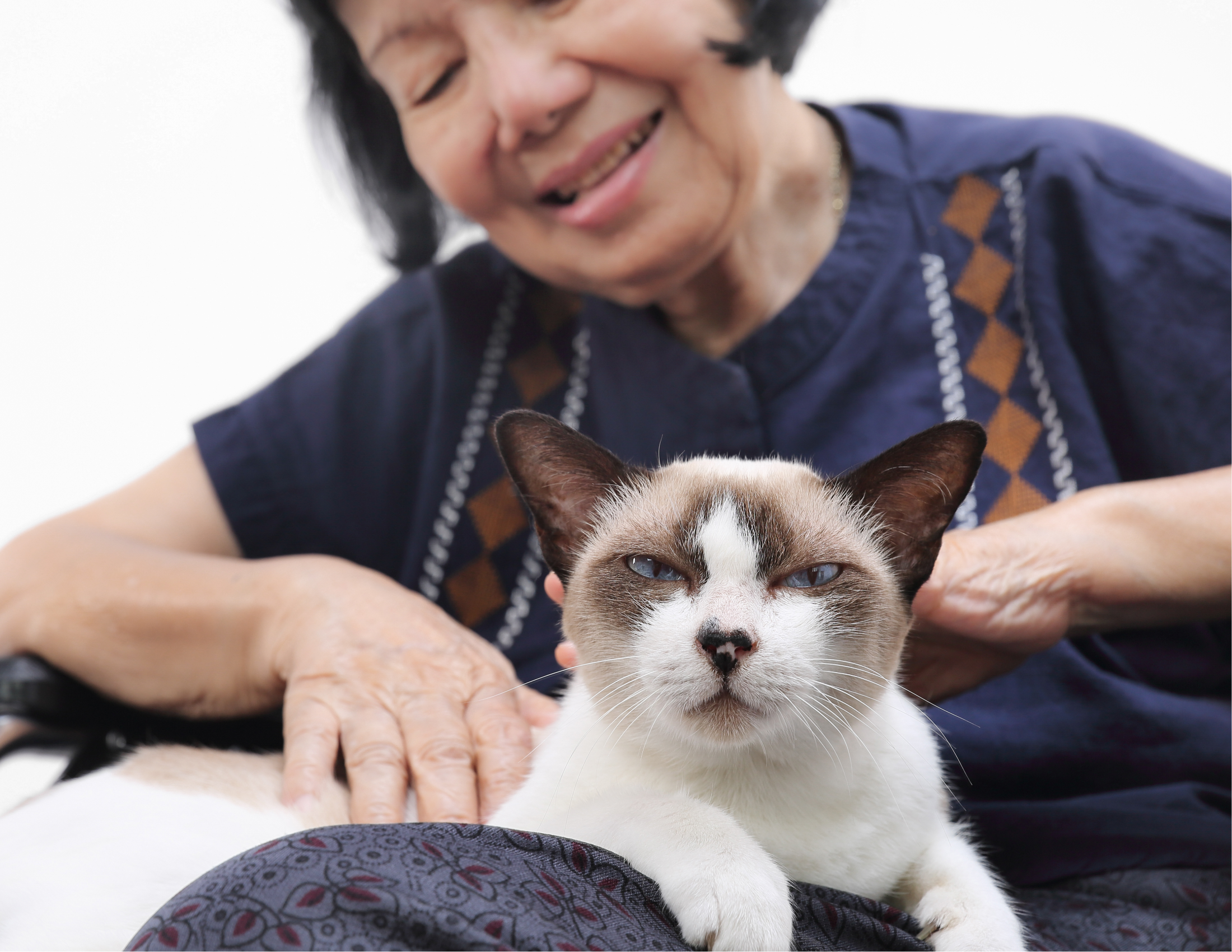
Yet another interesting effect of pet therapy seems to revolve around how the presence of an animal can sometimes trigger memories that might have remained dormant for years or even decades at a time. Researchers suspect that this arises from the strong emotional responses that an animal will often elicit in their human counterparts. This is obviously excellent news for those who may be suffering from chronic illnesses such as dementia or Alzheimer’s disease. It will be interesting to see if scientists will be able to discover the exact mechanics behind such instances.
The Importance of Regular Physical Activity
Some care home patients are hesitant to obtain the amount of exercise required to remain healthy; perhaps due to the negative emotions outlined above. Pet therapy is an excellent way to encourage even moderate levels of activity such as taking a walk or sitting in a garden for extended periods of time. The ability to promote physical movement can help to stave off more serious health conditions such as circulatory problems, osteoporosis and high blood pressure.
Many state that pets are simply angels without their wings. Considering the effects that pet therapy can have within care facilities, this statement is not far from the truth. Animals can provide a sense of warmth and companionship that will often make all of the difference in the world for someone who might otherwise remain slightly detached from the outside world.