
Securing Personal Data in the Age of IoT: Challenges and Solutions
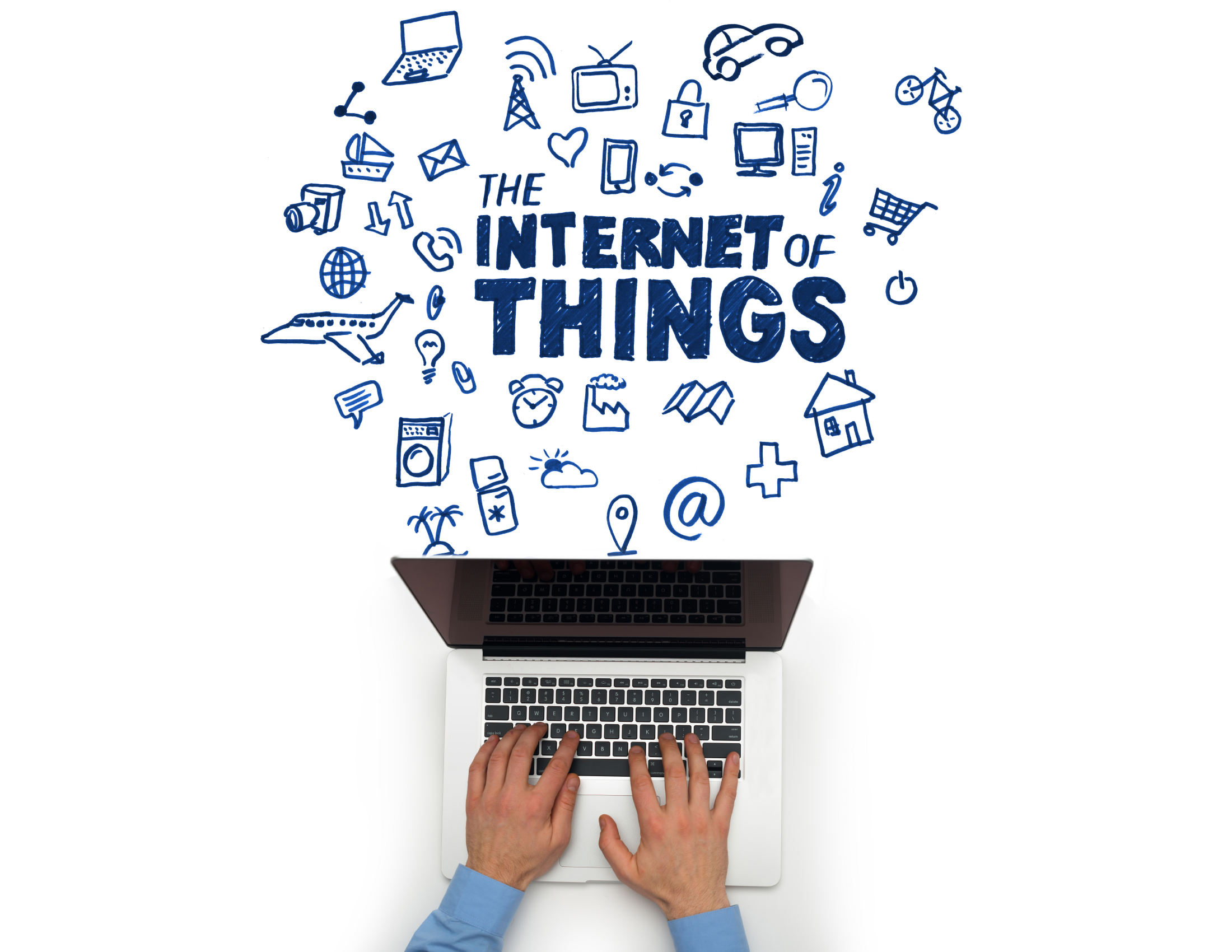
Technological innovations are opening up new avenues and opportunities at a fast pace. Some of these advancements have led to the dawn of the era of IoT (Internet of Things). For the uninitiated, IoT is the network of objects with embedded software, sensors and other technologies that allow them to remain connected and exchange data. You could say these are connected, ‘intelligent’ objects. People usually refer to these things as ‘smart’ objects. For example, you watch your favourite programs on your smart TV.
The ‘smart’ category of objects includes wearables such as smart watches, kitchen appliances such as smart refrigerators or microwaves, home devices such as smart thermostats, and even RFID-enabled clothes. Smart objects can connect to the internet, and allow for seamless communication between people, processes and things. Through IoT, smart objects can also connect and communicate with other internet-enabled devices such as smartphones.
IoT is slowly but surely transforming the way we interact, work and even the way we live our lives. While this technology has increased convenience manifold, it has brought along with it new challenges too. Securing personal data has become more complicated due to the swift growth of IoT. Highlighted below are some of the challenges that users face regarding personal data due to IoT, along with possible solutions:
Challenge#1: IoT devices are in the position to collect extensive personal data and you may have concerns about how this data is used.

Solution: When purchasing IoT devices, opt for products from reputable manufacturers. Read their privacy policies, and learn about their data practices. During installation and initialization, make sure you only select the options that grant relevant permissions. Do not skip reading the T&Cs before you tick the ‘I understand and agree’ box. If you do not observe due diligence, you could be at a disadvantage in case of privacy violation. Opt for devices that use local storage options to minimise cloud data usage. You should also tweak the privacy settings on the smart objects until you are satisfied.
Challenge#2: IoT devices may lack proper security measures and may prove to be a gateway for cybercriminals to access other critical devices
Solution: Use a reliable antivirus for PC and other critical devices to prevent attackers from reaching and compromising these devices and systems through the broader network due to the security vulnerabilities of IoT devices. Additionally, you should make sure you regularly install updates to related software. Pay special attention to ransomware protection. Although older forms of computing devices used to be common targets, IoT devices are increasingly becoming targets of ransomware attacks. An infected device could potentially affect the other devices on the network and exacerbate the impact. Make sure you only employ a secure Wi-fi network, and practice network segmentation to mitigate such risks. AdFixus also recommends taking advantage of VPNs.
Challenge#3: Due to the lack of standardised security and privacy measures, IoT devices have vulnerabilities and may be susceptible to data breaches and exposure of sensitive information.

Ideally, the objects/devices should have built-in security features and encryption. Only select the devices that are compliant with recognized security standards and always keep an eye out for manufacturer announcements regarding security vulnerabilities. Install the latest updates to associated software as these often include security patches that address vulnerabilities of the previous version.
Wrapping Up
To protect your privacy and sensitive information in the age of IoT, you have to adopt a proactive approach. Alleviate the risks by managing the security features of IoT devices carefully. Keep learning about the latest security measures, take relevant actions and enjoy the benefits of smart technology safely.