

Healing Small Hearts: Comforting Children Through Grief
In the wake of such a monumental loss, children can feel as though their world has been turned upside down. Especially as their sense of security feels shattered. They may struggle to make sense of the void left by the absence of their loved one, grappling with questions that defy easy answers. As caregivers, we must strive to be beacons of strength and stability in their tumultuous sea of emotions, providing them with the tools and reassurance they need to navigate this journey of grief. Our presence, our patience, and our willingness to listen without judgement can serve as beacons of hope amidst the darkness of despair. This article gives some suggestions on how you can go about comforting children through grief.
Exploring Memorial Products
Fingerprint Jewellery
These personalised pieces capture the unique fingerprint of the deceased, preserving it in a wearable keepsake. Children can feel a sense of closeness by wearing a necklace or bracelet adorned with their loved one’s fingerprint.
Cremation Necklaces
Cremation jewellery allows children to carry a small portion of their loved one’s ashes close to their heart. These discreet pendants offer comfort and solace, serving as a physical reminder of the everlasting bond shared with the departed.
Memorial Bears
Soft, cuddly bears infused with the scent of the departed or containing a small memento provide comfort during moments of grief. Children can hold onto these bears for reassurance and companionship.
Keyrings
Personalised keyrings engraved with meaningful messages or symbols can serve as daily reminders of the love and memories shared with the departed. Children can carry these keyrings with them wherever they go. In doing so they will find comfort in their presence.
Understanding Grief in Children
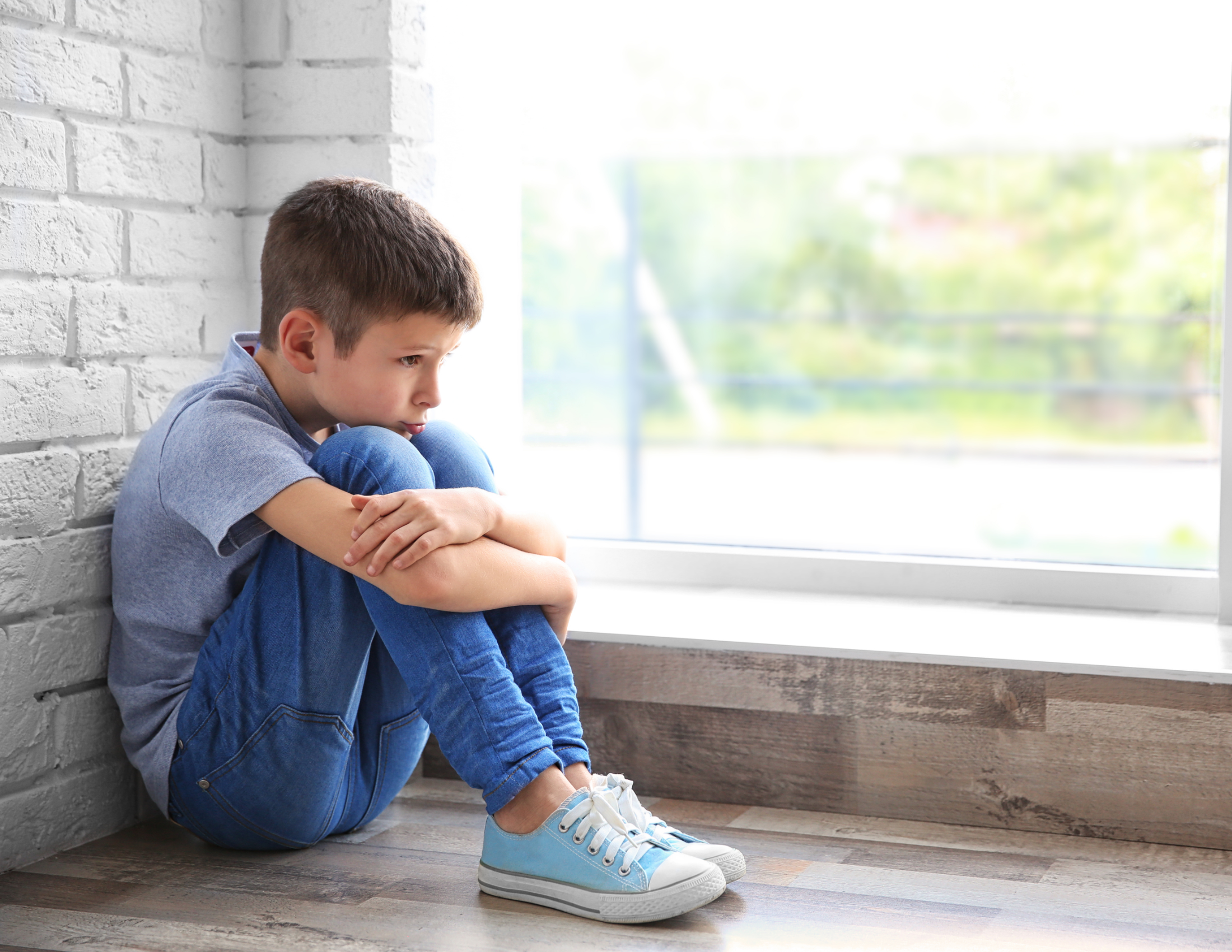
Understanding grief in children requires a subtle approach that acknowledges the individuality of their experiences. Younger children, for instance, may struggle to grasp the permanence of death. Whilst adolescents might grapple with existential questions about the meaning of life and the nature of loss. Moreover, a child’s relationship with the deceased significantly shapes their grieving process. Losing a parent, for example, can evoke feelings of profound abandonment and insecurity, whereas the death of a sibling may trigger a complex mix of survivor’s guilt and profound sorrow.
As caregivers, it’s essential to remain attuned to these varying responses, offering tailored support that meets each child’s unique needs. Some children may find solace in creative outlets such as drawing, writing, or storytelling, while others may seek comfort in physical activities or spending time with loved ones. By creating a non-judgmental space where children feel empowered to express their emotions in their own way and at their own pace, we can help them navigate the turbulent waters of grief with greater resilience and understanding.
Comforting Strategies
- Open Communication: Encourage children to express their feelings through conversation, art, or writing. Create opportunities for them to reminisce about happy memories shared with the departed loved one.
- Validation: Let them know that their feelings are valid and that it’s okay to feel sad, angry, or confused. Assure them that they are not alone and that you’re there to support them through their grief journey.
- Routine and Stability: Maintaining a sense of normalcy can provide stability amidst the upheaval of loss. Stick to familiar routines while being flexible and understanding of their needs which will help with comforting children through grief.
- Memorialization: Introducing memorial products can offer children tangible ways to honour and remember their loved one. Items such as fingerprint jewellery, cremation necklaces, memorial bears, and keyrings serve as comforting keepsakes that provide a sense of connection to the departed.
Helping children cope with the loss of a parent, sibling, or loved one requires patience, empathy, and understanding. By offering open communication, validation, and stability, we can create a nurturing environment where children feel supported in expressing their grief. Additionally, introducing memorial products such as fingerprint jewellery, cremation necklaces, memorial bears, and keyrings can provide tangible sources of comfort and solace during this difficult time. As caregivers, our role is not to erase their pain but to walk alongside them on their journey towards healing, one small step at a time.