

6 Crucial Tips to Spot and Fix Weather Damage on Your Home’s Exterior
It is vitally important to fix weather damage to a home’s exterior as it can be harmful in many ways. It can weaken the structural integrity of the house, lead to costly repairs, and decrease the property’s value. Ignoring weather-related damage can result in more severe issues over time, such as water infiltration, mold growth, and even foundation problems. Therefore, it’s crucial to regularly inspect and promptly repair any damage caused by weather conditions to maintain the safety and longevity of your home.
Homeowners in Lansing, Michigan, face unique weather challenges. The region experiences heavy snowfall, strong winds, and frequent rain, all of which can cause significant damage to a house’s exterior. Understanding how to spot and fix weather damage is essential for Lansing residents to protect their homes from the elements.
This article shares six practical tips to help you identify and repair weather damage, ensuring your home remains in excellent condition.
1. Roof Inspection and Repair
Identifying Damage: The roof is one of the most vulnerable parts of a house when it comes to weather damage. Regular inspections are necessary to spot issues early. Look for missing or damaged shingles, which can be caused by strong winds or hail. Check for granule loss on asphalt shingles, which appear as bald spots and can indicate aging or weathering. Additionally, inspect the attic for signs of leaks, such as water stains, mold, or damp insulation. These signs can indicate that the roof is compromised and needs attention.
Fixing Damage: Engaging experienced roofers in Lansing is the best way to ensure that repairs are done correctly and safely. These professionals can assess the extent of the damage and recommend appropriate solutions, whether it’s replacing a few shingles or installing a new roof.
2. Siding Inspection and Repair
Identifying Damage: The siding of your home is another area that can suffer from weather-related issues. Look for visible signs of damage, such as cracks, warping, or discoloration. Various factors, including extreme temperatures, moisture, and wind, can cause these. Peeling paint or mold growth on the siding can also indicate water infiltration, which needs to be addressed immediately. It’s essential to inspect all sides of the house when you fix weather damage, as some areas might be more exposed to the elements than others.
Fixing Damage: Depending on the type of siding, the repair process can vary. Caulking or patching might suffice for minor cracks or holes when you fix weather damage. However, more extensive damage may require replacing sections of the siding. When replacing siding, choose materials that are durable and weather-resistant to prevent future damage. Vinyl and fiber cement are popular choices for their resilience. If you’re unsure how to proceed, consider consulting a professional who can guide you through the repair or replacement process, ensuring your home’s exterior remains protected and visually appealing.
3. Window and Door Inspection and Repair
Identifying Damage: Windows and doors are critical points of entry for weather damage. Inspecting them regularly can help you catch problems early and fix weather damage. Look for broken seals, cracks in the glass, and gaps around the frames. These issues can allow drafts, moisture, and even pests to enter your home, compromising its comfort and security. Additionally, check for signs of rot or warping in wooden frames, which can be exacerbated by prolonged exposure to moisture.
Fixing Damage: Repairing windows and doors is essential for maintaining energy efficiency and preventing further damage. For minor issues, such as small gaps or cracks, weatherstripping or caulking can be effective solutions. Replacing broken glass or damaged frames is necessary for more significant damage. Consider upgrading to energy-efficient windows and doors, which provide better insulation and durability.
4. Gutter Inspection and Repair
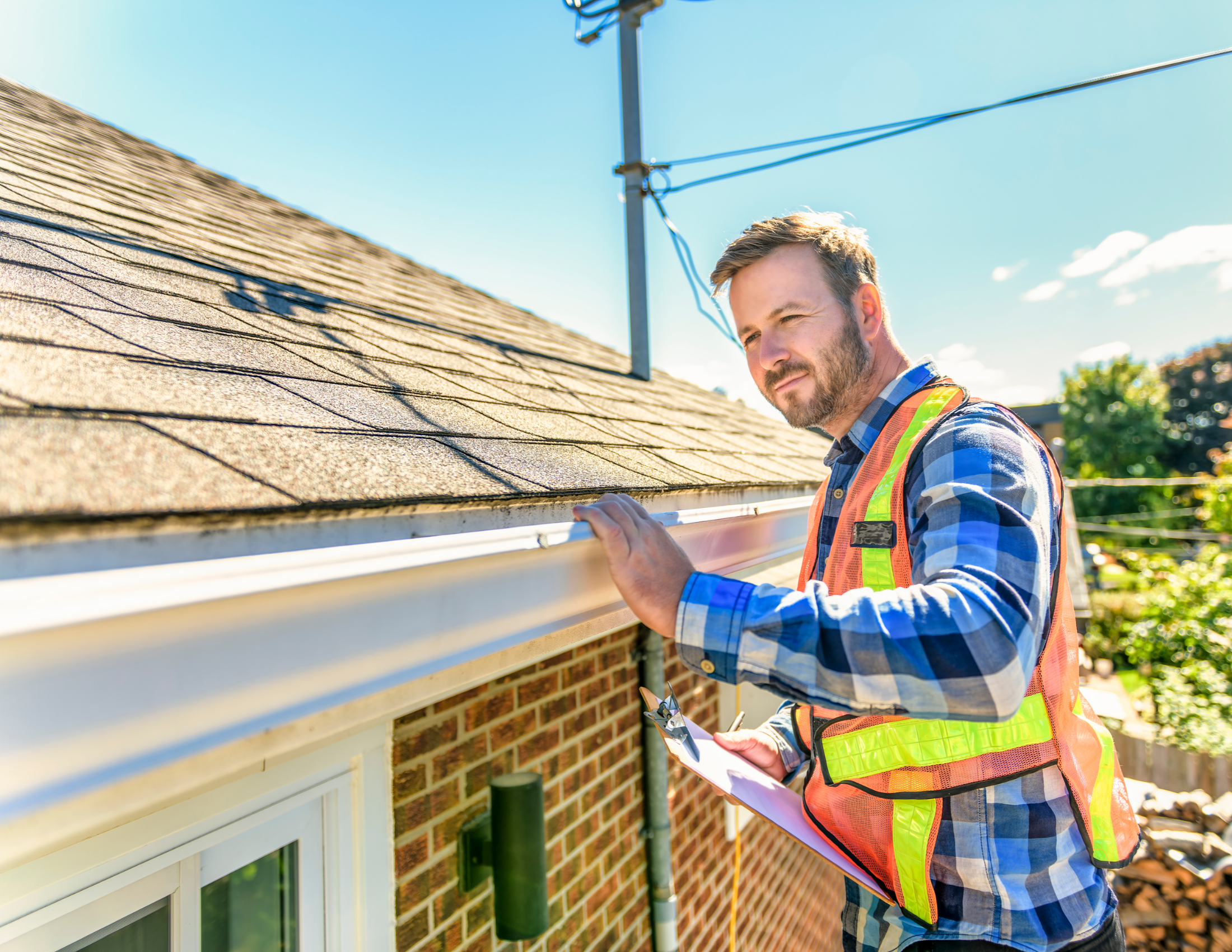
Identifying Damage: Gutters play a crucial role in directing water away from your home’s foundation, protecting it from water damage. Regularly inspect your gutters for signs of damage, such as clogs, leaks, and sagging. Leaves, twigs, and other debris can accumulate in gutters, causing blockages that prevent proper water flow. Look for water stains or mildew on your home’s exterior, as these can indicate that the gutters are not effectively channeling water away.
Fixing Damage: Cleaning your gutters is the first step in ensuring they function correctly. Remove all debris and use a hose to flush out any remaining dirt. For minor leaks, gutter sealant can be applied to seal the gaps. If the gutters are sagging, check the brackets and screws holding them in place; they may need tightening or replacement. In cases of severe damage, such as extensive rusting or cracking, it may be necessary to replace sections of the gutter system.
5. Foundation Inspection and Repair
Identifying Damage: The foundation of your home is critical to its structural integrity. Inspect your foundation for cracks, which can be caused by settling, water infiltration, or temperature fluctuations. Small hairline cracks are common, but larger, more significant cracks can indicate serious issues. Additionally, check for signs of uneven settling, such as doors and windows that stick or cracks in interior walls.
Fixing Damage: For minor cracks, applying a concrete patch or sealant can prevent further deterioration. However, larger cracks or signs of significant settling should be assessed by a professional. Foundation repair experts can provide solutions such as underpinning or installing foundation piers to stabilize your home.
6. Landscaping and Drainage Inspection and Repair
Identifying Damage: Proper landscaping and drainage are essential to protecting your home from weather-related damage. Inspect your yard for areas where water pools or drains toward your home, as this can lead to foundation problems and water infiltration. Look for signs of soil erosion, which can undermine the stability of your landscaping and the structures it supports. Additionally, check that downspouts and drainage systems are directing water away from your home’s foundation.
Fixing Damage: Improving drainage around your home can involve several strategies. Installing downspout extensions or French drains can help redirect water away from your foundation. If you notice soil erosion, consider adding mulch or ground cover plants to stabilize the soil. Regrading your yard to create a slope away from your home can also improve drainage.
Fix Weather Damage Conclusion
Addressing weather damage to your home’s exterior is crucial for maintaining its safety, functionality, and value. Regular inspections and timely repairs can prevent minor issues from becoming major problems. By focusing on key areas such as the roof, siding, windows, gutters, foundation, and landscaping, you can ensure your home withstands the elements.