
7 Reasons You Need to Add Chia Seeds to Your Diet
In the world of superfoods, chia seeds have earned a prominent place due to their impressive nutritional profile and the many health benefits they provide. Despite their tiny size, chia seeds are packed with essential nutrients that contribute to overall health and well-being. Native to the deserts of Mexico and Guatemala, chia seeds have been consumed for thousands of years by ancient civilizations such as the Aztecs and Mayans, who valued them for their energy-boosting properties. In modern times, chia seeds have gained popularity due to their versatility, ease of use, and health benefits. This article delves into why you should add chia seeds to your diet and how they can improve your health in various ways.
Table of Contents
ToggleWhat Are Chia Seeds?
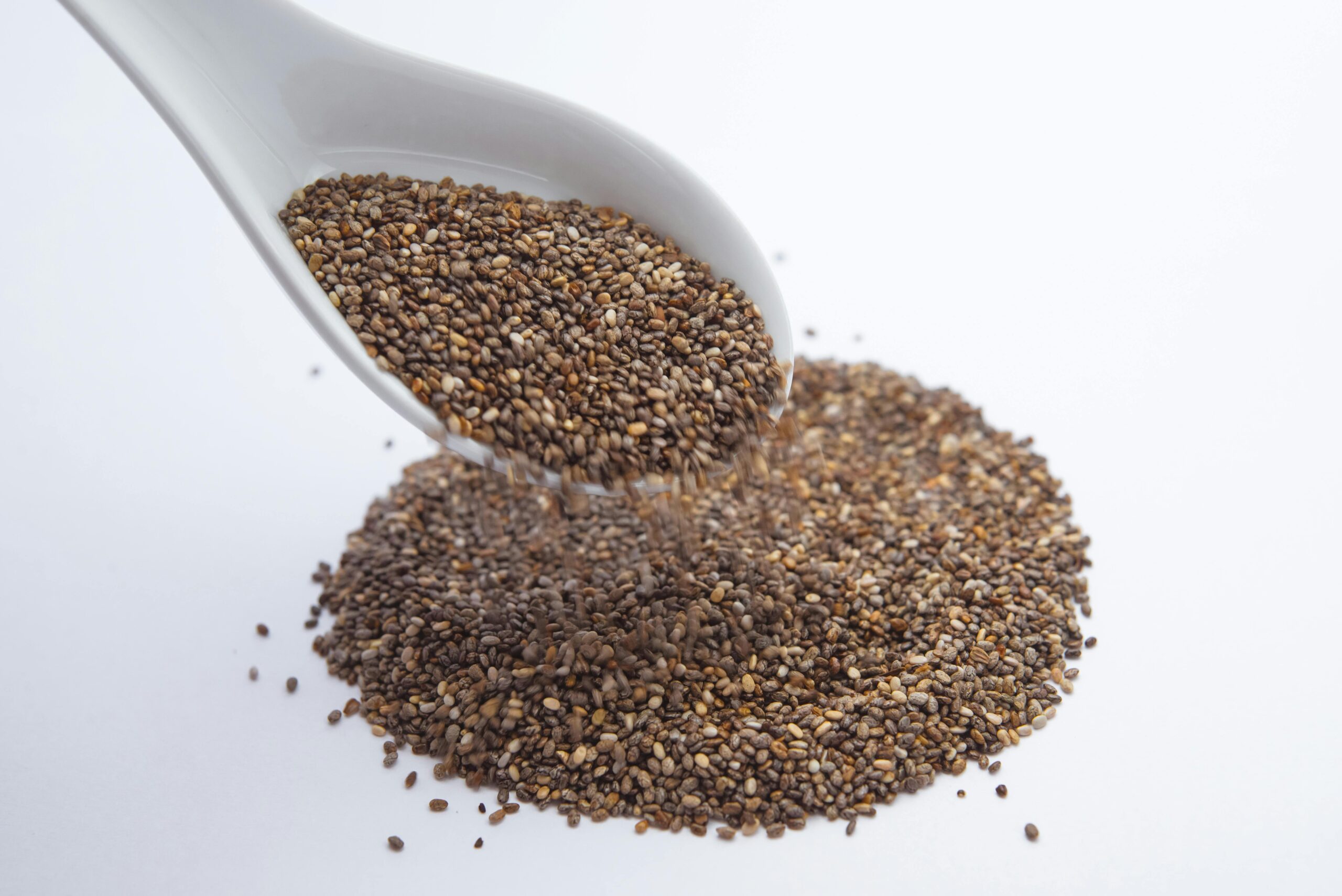
Chia seeds come from the plant Salvia hispanica, which belongs to the mint family. They are small, oval-shaped seeds that come in a variety of colors, including black, white, and brown. Chia seeds are known for their ability to absorb liquid and form a gel-like consistency when mixed with water, which is one of the key factors contributing to their health benefits. These seeds are rich in several important nutrients, including omega-3 fatty acids, fiber, antioxidants, and a variety of vitamins and minerals.
The Health Benefits of Chia Seeds
While chia seeds are often praised for their versatility and ease of use, the health benefits they provide are what truly make them stand out. Here are some of the key reasons why you should consider adding chia seeds to your diet.
1. Excellent Source of Omega-3 Fatty Acids
One of the most significant reasons to add chia seeds to your diet is their high omega-3 content. Chia seeds are one of the richest plant-based sources of omega-3 fatty acids, specifically alpha-linolenic acid (ALA). Omega-3 fatty acids are essential fats that our bodies cannot produce on their own, meaning we must obtain them from food sources.
Omega-3s are crucial for overall health and well-being, with benefits ranging from improved heart health to enhanced brain function. Regular consumption of omega-3s can help reduce inflammation, lower blood pressure, and decrease the risk of cardiovascular disease. Additionally, omega-3 fatty acids play a role in cognitive function and may help protect against age-related cognitive decline.
A single ounce (about two tablespoons) of chia seeds contains approximately 5 grams of omega-3s, making it an excellent source of these essential fats.
2. High in Fiber for Digestive Health
Chia seeds are incredibly rich in fiber, with one ounce providing about 10 grams of fiber—nearly a third of the recommended daily intake for adults. This high fiber content is beneficial for digestive health in several ways.
-
Promotes Healthy Digestion: The fiber in chia seeds, both soluble and insoluble, helps regulate bowel movements and prevent constipation. When chia seeds come into contact with liquid, they form a gel-like substance, which helps bulk up stool and support regularity. This can be particularly helpful for individuals suffering from digestive issues like irritable bowel syndrome (IBS).
-
Supports Gut Health: Fiber also plays an important role in maintaining a healthy gut microbiome. The fiber in chia seeds serves as food for beneficial gut bacteria, promoting their growth and supporting a balanced microbiome. A healthy gut microbiome is linked to improved immune function, better digestion, and even mental health benefits.
-
Helps with Weight Management: The high fiber content in chia seeds can help promote feelings of fullness and satiety. When chia seeds absorb liquid and expand in the stomach, they slow digestion and make you feel fuller for longer, which can reduce overall calorie intake and support weight management efforts.
3. Packed with Antioxidants
Chia seeds are loaded with antioxidants, which help protect the body against oxidative stress and free radical damage. Free radicals are unstable molecules that can damage cells and contribute to chronic diseases, including heart disease and cancer. Antioxidants neutralize these harmful free radicals, reducing the risk of chronic diseases and promoting overall health.
The antioxidants found in chia seeds, such as flavonoids, quercetin, and chlorogenic acid, also have anti-inflammatory properties, further supporting heart health and reducing inflammation throughout the body. Adding chia seeds to your diet can help fight the aging process by protecting your cells from oxidative damage.
4. Supports Heart Health
Given their high content of omega-3 fatty acids, fiber, and antioxidants, chia seeds are a heart-healthy food. Regular consumption of chia seeds has been linked to several benefits that support cardiovascular health:
-
Lower Cholesterol: The soluble fiber in chia seeds can help reduce total cholesterol and LDL (“bad”) cholesterol levels. The fiber binds to bile acids in the digestive tract, helping to eliminate cholesterol from the body. As a result, chia seeds can contribute to better lipid profiles and a lower risk of heart disease.
-
Improved Blood Pressure: Studies have shown that the omega-3s in chia seeds can help reduce blood pressure. Consuming chia seeds regularly has been linked to lower systolic and diastolic blood pressure in people with high blood pressure.
-
Reduced Inflammation: Chronic inflammation is a key contributor to heart disease. The antioxidants and omega-3 fatty acids in chia seeds help reduce inflammation, further protecting the heart and blood vessels.
5. Promotes Bone Health
Chia seeds are an excellent source of several minerals that are essential for bone health, including calcium, magnesium, and phosphorus. In fact, chia seeds contain more calcium per ounce than most dairy products, making them an excellent plant-based source of calcium.
Calcium is crucial for maintaining strong bones and preventing osteoporosis, while magnesium and phosphorus are important for bone formation and structure. Including chia seeds in your diet can help support bone density and reduce the risk of bone-related conditions, especially in individuals who follow plant-based diets and may have a harder time getting adequate calcium from other sources.
6. Balances Blood Sugar Levels
Chia seeds have been shown to help regulate blood sugar levels, making them a useful addition to the diet for individuals with diabetes or those at risk of developing the condition. The fiber in chia seeds slows down the digestion and absorption of carbohydrates, which helps prevent rapid spikes in blood sugar after meals. Additionally, the high omega-3 content in chia seeds may improve insulin sensitivity, further helping to regulate blood sugar.
A study published in the Diabetes Care journal found that chia seeds helped reduce blood sugar levels in individuals with type 2 diabetes. Incorporating chia seeds into meals can help stabilize blood sugar levels and improve glycemic control.
7. Easy to Add to Your Diet
One of the best things about chia seeds is their versatility and ease of use. Chia seeds have a mild, neutral flavor, making them a perfect addition to a wide range of dishes. You can sprinkle them on oatmeal, yogurt, smoothies, or salads, or mix them into baked goods like muffins, pancakes, and bread.
Chia seeds can also be used to make a simple and nutritious snack called chia pudding. To make chia pudding, mix chia seeds with milk or a dairy-free alternative, add a sweetener if desired, and let the mixture sit in the refrigerator for a few hours or overnight to thicken.
Additionally, chia seeds can be used as an egg substitute in baking. To make a “chia egg,” simply combine 1 tablespoon of ground chia seeds with 2.5 tablespoons of water, let it sit for a few minutes, and use it as you would a regular egg in recipes.
How Much Chia Seeds Should You Eat Each Day?
The recommended daily intake of chia seeds is about 1 to 2 tablespoons (15 to 30 grams) per day. This amount provides a substantial dose of fiber, omega-3 fatty acids, and antioxidants. It’s important to start with a small amount, especially if you’re not used to consuming high-fiber foods, and gradually increase your intake to avoid any digestive discomfort. Additionally, always drink plenty of water when consuming chia seeds, as they absorb liquid and can expand in the digestive tract.
Conclusion
Chia seeds are a highly nutritious superfood that offers a wide array of health benefits. From supporting heart health and digestive wellness to improving cognitive function and regulating blood sugar levels, chia seeds are a small but powerful addition to any diet. Their versatility, ease of use, and impressive nutrient profile make them an ideal choice for anyone looking to improve their overall health. Whether you sprinkle them on your morning oatmeal, blend them into smoothies, or use them in baking, adding chia seeds to your diet is a simple and effective way to boost your nutritional intake and enhance your well-being. Just be aware of any health risks, such as an allergy to chia seeds.