

6 Ways To Stay Active When Living With A Disability
It can feel harder to stay active when you have a disability making it more challenging. You know you should be moving around as much as possible for your overall health, but the disability gets in the way.
Fortunately, there are some things you can do to be more active and keep moving, even if it feels hard sometimes. These strategies are often highly effective and improve your quality of life tremendously.
But what are they?
Check out the following guide for a full run-down on how to stay active when living with a disability:
Make It Fun
Start by making your physical activity fun. Look for opportunities to really enjoy yourself instead of forcing yourself to go through the motions because you feel you have to do it.
For example, if you liked a sport in the past, it’s often a good idea to go back to that to stay active. You understand it and can get into the swing of it faster than trying something new.
Also, focus on how the activity feels. If it feels good, then doing more of it could be beneficial.
If you can experiment with new things, try that too. Exploring new activities can prevent boredom and keep you engaged as you move.
Set Realistic Goals
Don’t pressure yourself to set movement goals if you have a disability. You may have significant limitations on what you can do.
Instead, approach it from a different perspective. If you can map out small milestones you want to cover over the following months, that can be an excellent way to motivate yourself and ensure you’re on the path you want to be on.
If you can celebrate small victories, that can also help. These improve your emotional resilience and self-esteem, reminding you that you can do things, even if you’ve gotten into the habit of thinking you can’t.
Listen To Your Body
While you’re having fun and setting realistic goals, you also want to listen to your body. Paying attention to the feedback it provides is essential for avoiding injury and becoming jaded by your efforts. If something just feels wrong or you’re too tired, stop.
If you can adapt workouts to your requirements, that also helps. Adjusting the difficulty level is an excellent tactic that makes the process more enjoyable. Don’t feel pressured to keep up with everyone else, or to even compete against yourself. Also, make sure you get proper nutrition and hydration to ensure you’re on top form every time you go to the gym or do something physical.
Make It Social
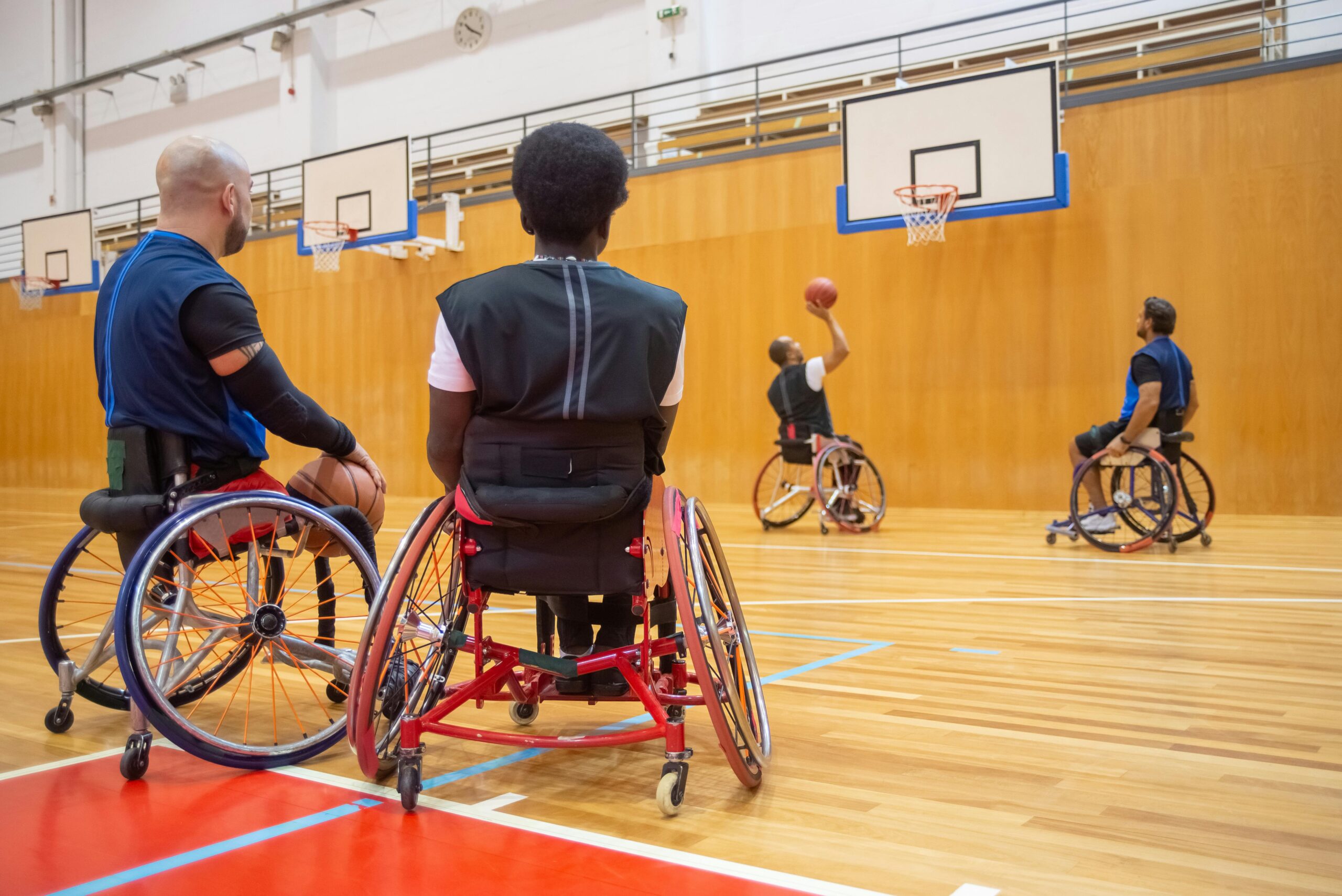
You also want to make exercise and training as social as possible. If you know your buddies are going to be there, you’re also more likely to show up and stay active (instead of forcing yourself down to the gym by yourself).
For example, you could exercise with a friend or a family member. You could also attend clubs where people exercise together, including at the gym. These can be highly effective for keeping you wanting to go.
If that’s not an option for you, consider participating in disability-friendly movement sessions. These can be an excellent way to get out of isolation and really enjoy what you’re doing. These events are the ideal place for making friends and forming long-term relationships while performing an activity you love.
Use Assistive Devices
You can also stay active by using assistive devices from companies like mobility 2 you. These make it easier to get around and do all the regular things in life without having to rely on an able body.
Grab bars and railings are an excellent option for balance and support. These help you as you move around the house, although they can also sometimes be found in public places.
Wheel-chair-friendly exercise is another option. Here, you don’t need to leave the wheelchair, but you can also use these exercises to move around more.
Then there are voice-activated fitness apps. These aren’t traditional mobility devices, obviously, but they can be useful if you need help or guidance when working out.
Add Daily Movements
Another way to stay active when living with a disability is to stretch in bed or while seated. These daily movements might not seem like much, but they can have a profound effect on your overall well-being.
Arm and hand exercises are also something that you might want to try. These work best during TV time when you’re still and the blood isn’t flowing. Just a few seconds of movement is often enough to undo some of the negative effects of sitting, especially on the spine and cardiovascular systems. Try it today to see what happens.