

Teaching Your Child to Deal with Conflict
Conflict is a part of life that sometimes pops up and startles us when we least expect it. It’s one of those unpleasant things that parents worry about. This is especially true as our children begin to attend school. Young children and teenagers alike are prone to spats, fallouts, minor arguments and sometimes bullying. The important thing to remember is that you’re never going to be able to be at your child’s side to protect it at all times. You need to equip them with the skills to deal with conflict.
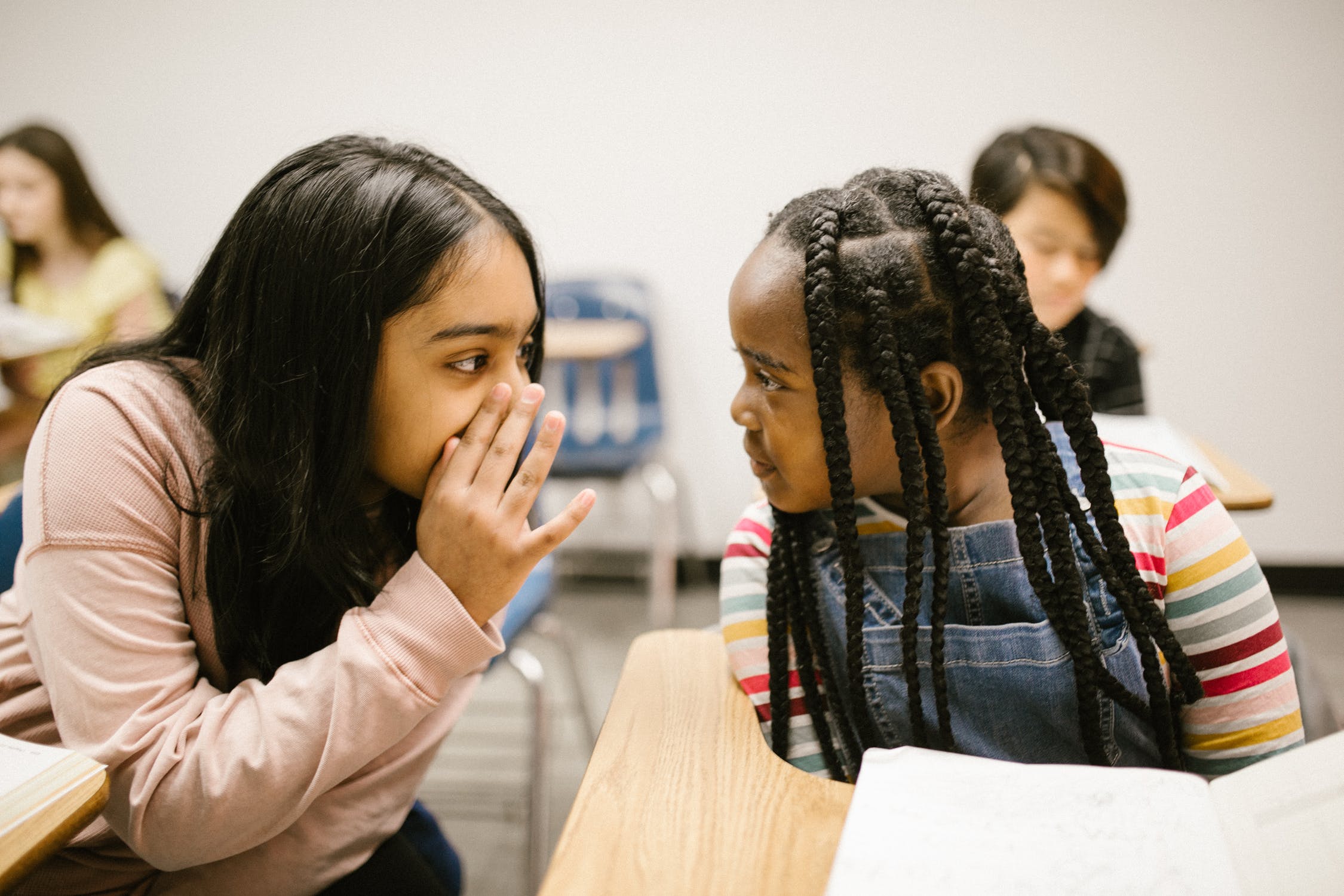
As this senior school in Liverpool teaches, communication is key to keeping children balanced and happy. Therefore, as parents, it’s vital that we teach our children to effectively communicate and to deal with conflict when it arises. How best can children be taught to avoid conflict where possible? And how to manage their emotions when it cannot be avoided?
Talk to your child about their feelings
Conflicts arise from feelings. Someone feels hurt or upset, slighted, or left out and this is where conflict begins. Some children are generally happy and calm whilst others feel things keenly and find self-control to be a difficult concept.
One of the most valuable things a parent can be aware of is that for very small children, strong emotions are new. When they arise, the child won’t always have a name for what they are feeling. They may experience the feeling of jealousy or anxiety for the first time and feel bewildered and scared. This is why you should always talk to your child about feelings – both good and bad.

When your child wins a game, you can say “Do you feel proud?” or “Do you feel happy?” so that the child can put a name to their feelings. The same is true when unhappy events occur. A lost coin, a dropped ice cream – discuss with your child how they feel and most importantly, name that emotion. Whether it’s anger, jealousy, hurt feelings, anxiety – your child will be empowered by the knowledge that these feelings are something everyone has and that they do pass. Then when they are old enough for school and more conflicts enter their life, they will be in a position to voice their feelings more effectively.
Many children are struggling with the COVID-19 situation so its more important than ever to be aware how your children are feeling.
Count to ten
This is very effective for children who are prone to losing their temper easily. Teaching your child to count to ten when their feelings become too much to handle can help them gain enough calm to move on. Of course, it’s not always possible – sometimes anger gets the better of children and they may lash out or shout.
Leaving The Situation
Another useful tactic is to tell your child to leave the situation that is upsetting them. Walk away – go to another area. If needed, find a teacher to talk to about the situation or somewhere quiet to sit for a while.
Managing emotions is something that can take years to master – start young so your child has the best chance of learning early.