

Identifying The Signs of Heart Disease in Women
Did you know that the symptoms of a heart attack present differently in women? And that those signs you are keeping an eye for are predominantly in men for both heart disease and heart attacks?
As we get older, we all need to start paying more attention to our bodies to help us make sure we are fit and healthy and getting the proper medical care when we need it.
Warning Signs of a Heart Attack of Heart Disease in Women
Commonly, many women don’t get any warning signs of impending heart trouble, meaning heart disease can go undetected for a long time. This is despite the fact there are over 3.6 million women in the UK living with a diagnosed heart condition or circulatory problems. So what exactly should you be looking for when it comes to spotting the signs of heart disease?
- Chest pain or discomfort
- Neck, jaw, or throat pain
- Upper abdomen pain
- Upper back pain
- Nausea
- Fatigue
- Shortness of breath
- General weakness/malaise
- Greyish skin
- Excessive sweating
These symptoms can occur at any time and come on suddenly or gradually. If anything doesn’t feel right, it is vital to make sure you consult with medical professionals to ascertain the cause of your discomfort or symptoms.
As heart disease progresses, both undetected and treated, the symptoms can change and become more pronounced. While more men will suffer from chest pain – although not always the dramatic chest clutching depicted in the media, women will experience more subtle hints.
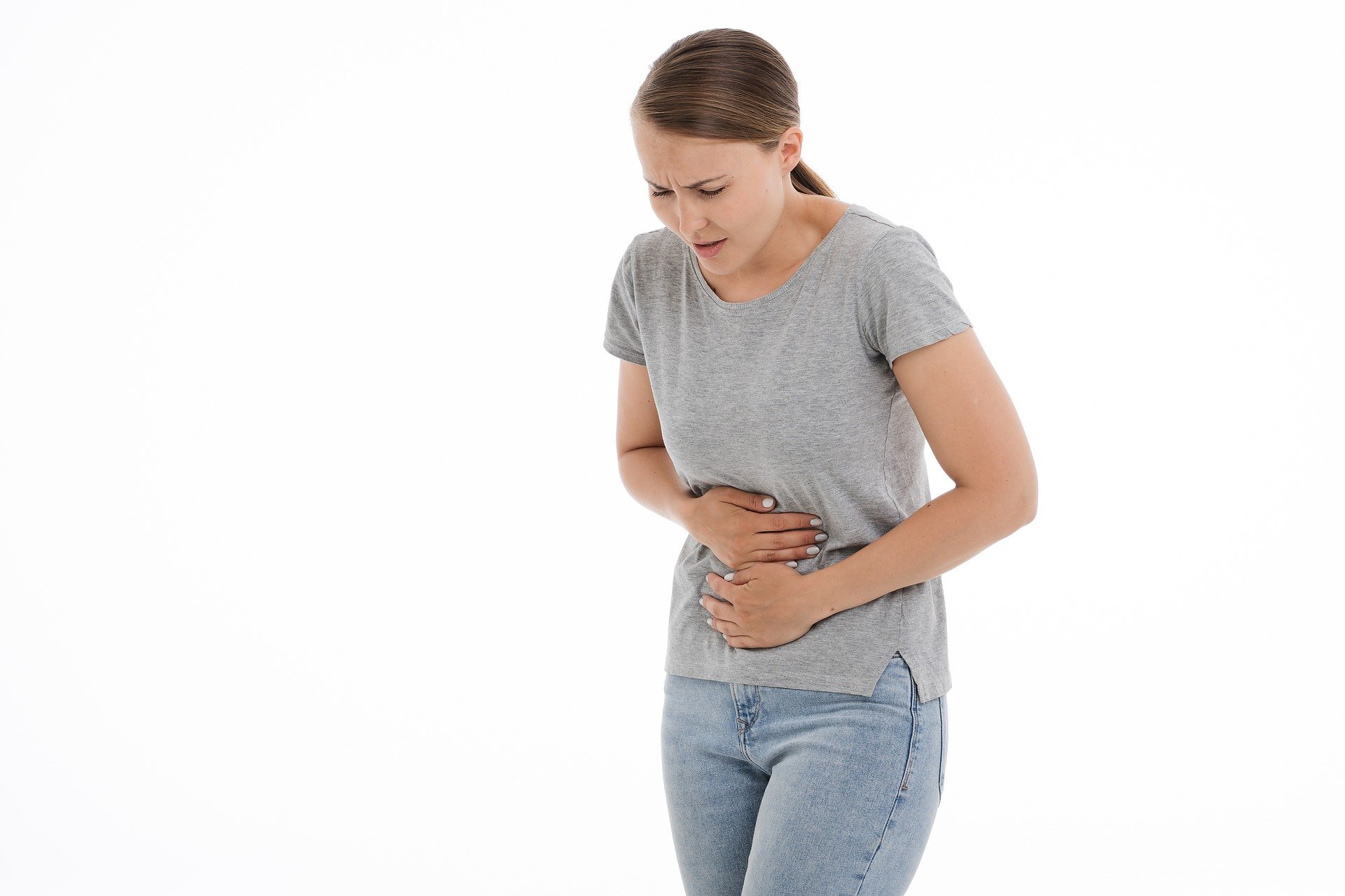
- Swelling in your legs, feet, or ankles
- Increases in weight
- Disrupted sleep patterns
- Heart palpitations
- Coughing
- Wheezing
- Excessive sweating
- Lightheadedness/Fainting
- Indigestion/Heartburn
- Anxiety
Reducing the Risk of Heart Disease
While there are some abnormalities and genetic markers that will make you more predisposed to heart disease or an increased risk of heart attacks, there are some actions you can do to lower the risk and strengthen your heart.
If you are at risk of blood clots, heart attacks or strokes, it might be worthwhile asking your GP if you should take a daily cartia aspirin to lower the risk.
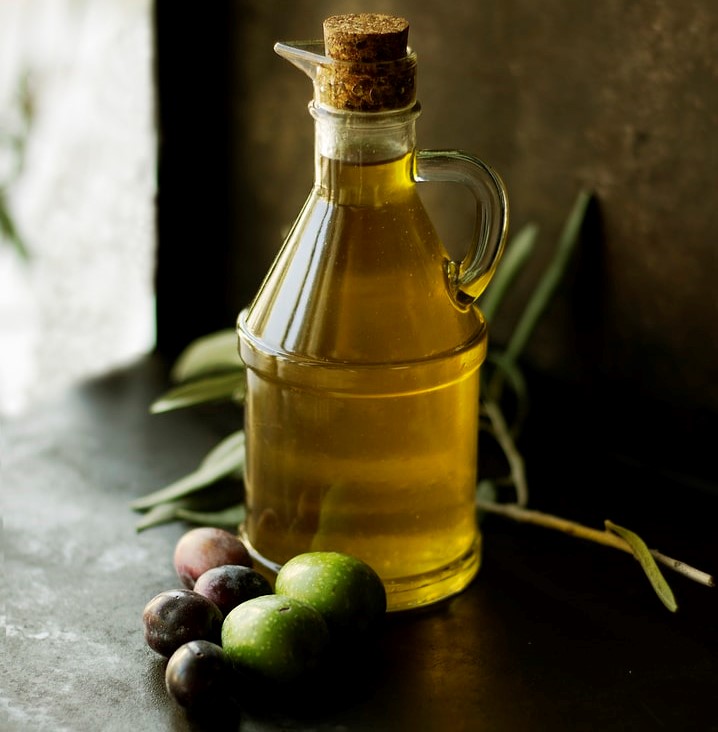
Changing your diet and fitness levels can go a long way to improving your overall heart health and helping you to stay in the best shape possible. Reducing salt intake, alcohol consumption and saturated fats will benefit your heart and your health in general. At the same time, increasing your heart-healthy foods such as whole grains, salmon, tuna, olive oil and walnuts, to name a few, is highly beneficial.
It’s never too early to talk about your risk of heart disease. A recent study found that the earlier risk factors for heart disease are addressed, the lower the likelihood of developing heart disease later in life.
It’s easy to overlook symptoms of heart disease like weariness, indigestion, and shortness of breath as minor ailments. But if these symptoms are new for you and aren’t attributed to other health conditions or illnesses, it can be worth getting checked out if only to give you peace of mind. Raise your concerns with your doctor to ensure you have been checked and your risk assessed.