

Early Indicators of Pregnancy: What to Look For
Pregnancy is an exciting and unique experience that starts with small body changes and gradually builds into something truly remarkable. Recognizing the earliest indicators of pregnancy is important for ensuring proper prenatal care and understanding what’s happening in your body. Let’s take a closer look at the first indications that a bundle of joy could be on the way.
When Is the Earliest You Can See Indicators of Pregnancy?
You may start noticing early indications of pregnancy as soon as one or two weeks after conception. Paying attention to these signals can help guide you in confirming a possible pregnancy. If you are pregnant, you can adjust your lifestyle and habits for a healthier prenatal period, benefiting both you and your growing baby.
Missed Period
A missed period is often the first indicator for many women that they might be pregnant. Some women may still experience light bleeding or spotting, but it is usually much lighter and shorter than a regular period.
Also keep in mind that there are reasons aside from a pregnancy that may cause a woman to skip a period, such as stress, hormonal imbalances, weight fluctuations, or a health condition. If you’ve missed a period, reach out to your healthcare provider.
Moodiness
Rising hormone levels are responsible for mood swings in early pregnancy. You may find yourself feeling unusually emotional, irritable, or anxious without apparent reason.
Spotting or Light Bleeding
Spotting or light bleeding, known as implantation bleeding, occurs when the fertilized egg attaches to the uterine lining. This bleeding is typically lighter than a menstrual period and often accompanies mild cramping. It’s common and occurs around 10 to 14 days after conception.
Nausea
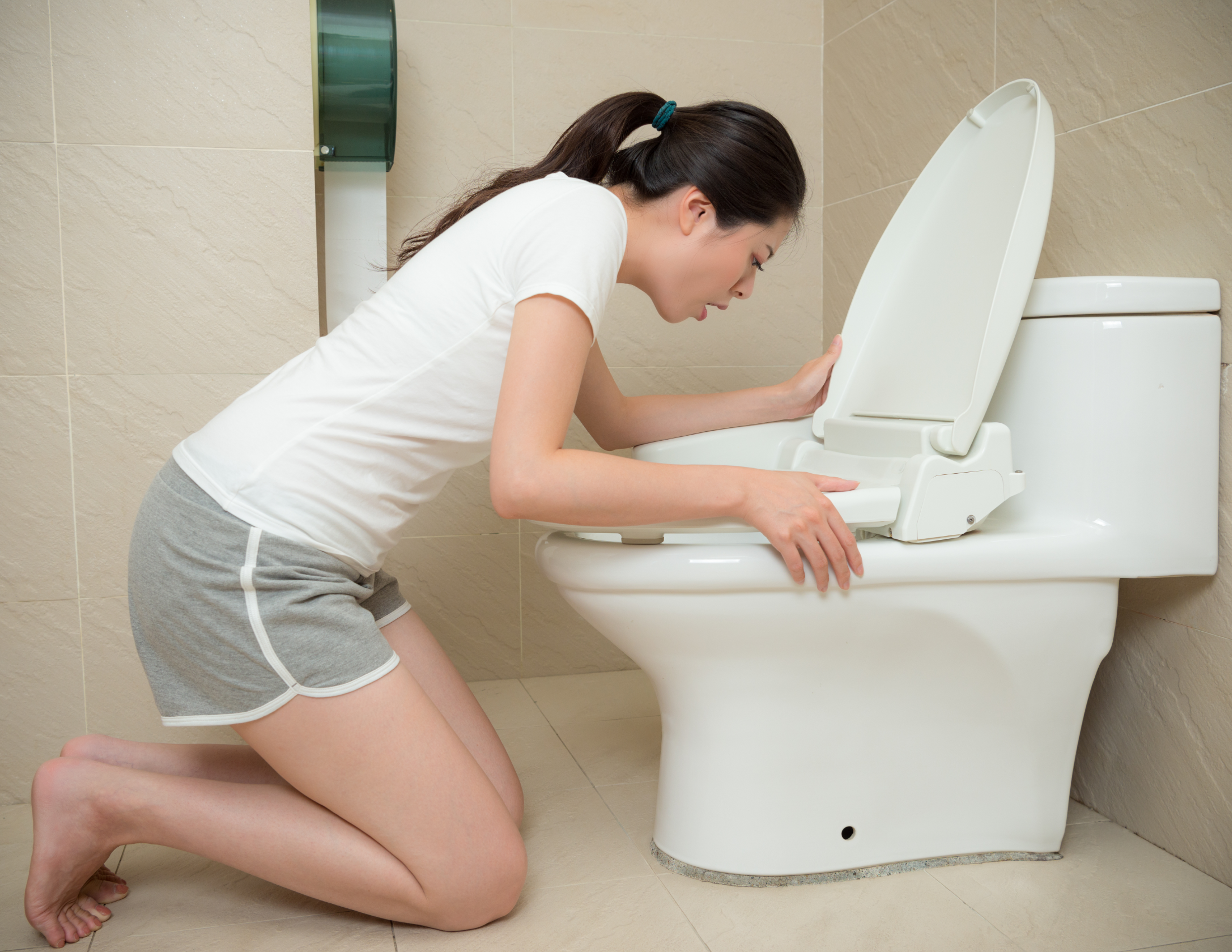
Nausea, often referred to as morning sickness, can happen at any time of the day—it’s not limited to mornings. Morning sickness is believed to be caused by elevated levels of hormones, particularly human chorionic gonadotropin (hCG). The nausea can start as early as two weeks after conception and is a strong pregnancy indicator.
Breast Changes
Breast changes are a common experience throughout the nine months and may start within the first few weeks. It’s those hormones at work again, this time preparing your body for the possibility of breastfeeding. Here are some specific changes you might notice:
- Tenderness and Soreness: The breasts may feel particularly tender to the touch, making even light contact uncomfortable.
- Swelling: Breasts may increase in size and may feel swollen and heavy.
- Increased Sensitivity: The nipples and the area around them (areola) might become more sensitive than usual.
- Visible Veins: As blood flow increases, the veins in the breasts may become more visible and pronounced.
Bloating
Early first-trimester bloating is often similar to the premenstrual bloating many women experience. It’s caused by hormonal changes and can occur even before a missed period.
Cramping
Mild uterine cramps are similar to period cramps but are usually lighter. These cramps can be a result of implantation, or they may be due to early uterine changes as the body begins to prepare for the growing fetus. Light cramping is normal, but severe pain should be evaluated by a healthcare professional.
Increased Fatigue

Your body is undergoing a significant transformation and working hard to provide nutrients and oxygen to the growing baby, making fatigue a common response. To help manage this increase in tiredness and sluggishness, ensure you get plenty of rest and maintain a nutritious diet. Remember, it’s OK to listen to your body’s needs and take extra time to relax during this special time.
Food Aversions and Cravings
The first trimester often brings about a fascinating shift in your dietary preferences. Hormonal changes can significantly alter your sensitivity to tastes and smells, leading to unexpected dislikes. It’s quite typical to find that foods you previously loved now seem utterly unappealing.
On the flip side are the notorious pregnancy cravings. The cravings can range from the ordinary to the downright unusual. These prenatal hunger urges are also a result of your body’s hormonal fluctuations.
What to Do If You Think You’re Pregnant
If you think you might be pregnant, here are some steps to follow to support the possible pregnancy and your well-being:
- Take a Home Pregnancy Test: These tests detect the hormone hCG in your urine, indicating pregnancy. While you may test positive as early as week two or three, you may want to test after you’ve missed your period for more accurate results.
- Consult a Healthcare Provider: Visit your OB-GYN for a definitive pregnancy confirmation, regardless of the home test They will usually perform a blood test.
- Begin Early Prenatal Care: If you’re having a baby, see your doctor for check-ups and tests to monitor the baby’s health and yours.
- Make Lifestyle Adjustments: Eat a balanced diet, exercise regularly, and avoid alcohol, tobacco, and excessive caffeine.
- Start Prenatal Vitamins: Begin taking prenatal vitamins, especially those containing folic acid, to support the baby’s development. Consult with your healthcare provider for a recommended vitamin.
Understand the Indicators and Talk to Your Doctor
Being aware of those early indicators of pregnancy can help you prepare. Remember, though, that every woman is different and experiences can differ. The best way to confirm a pregnancy is through a positive home pregnancy test and then consulting a healthcare professional. Timely action and seeking medical advice will provide clarity and set the foundation for a healthy start.