
11 Top Lawn Care Tips You Never Knew You Needed
The idea of maintaining a garden is hell for some and a pleasure for others. If you have a green thumb and you love to be in the garden and breathing in the flowers, you’ll know the importance of great lawn care. Your lawns should look tidy, lush and beautiful all year around and that means that you need to learn what it takes to have a lawn that you can be proud of. Knowing that you have the best lawn on the block is great, but actually learning how to take care of it at all is better. So, with that in mind, let’s take a look at the top lawn care tips you never knew you needed.
Get to know your tools
The first of my lawn care tips is you have to have a good arsenal of garden tools and you also have to know how to use them. A working leaf blower is as important to have for your lawn as a working lawn mower is, and so you need to look at the tools you’ve got first. The right equipment is the first step to knowing what your lawn needs for maintenance and you can stay on top of it easily when you’re equipped.
Learn what your soil is doing
You have to be well versed in your soil if you want to make sure that you can take care of your lawn. Your soil is so much more than a mountain of dirt and the grass doesn’t magically spring up from it. You have to learn if it’s healthy and you have to determine what healthy looks like for your specific soil type.
The texture of your soil will impact your yard care. For example, clay soil can retain water far better than sandy soils can and so you should conduct a soil test to determine the type, the salt levels and the pH levels of the matter. You should do this at least every three years to be aware of any changes possible.
Get to know your grass
Grass isn’t just grass, despite what you may want to believe. There are many types of grass out there and some will thrive in your garden and others won’t. Knowing which grass is best for your lawn is one thing but knowing how to care for it is quite another. Cool season grasses do better in areas where the winters are long and summers are mild. They actively grow in the spring and fall as the temperatures are low. Warm season grasses are best in areas when the summer is long and the winter is mild and if you live in the transition zone, both grasses fit!
Fertilize the turf properly
Your turf needs to be fed to be able to grow your grass properly. Your lawn is going to look fantastic, but not if you aren’t fertilizing it. So, instead of spreading the fertilizer willy-nilly, you should take a look at your soil test results and choose the right fertilizer to ensure that you are getting it right. The lawn needs potassium, phosphorus and nitrogen to truly thrive and your soil test results should tell you the type of ratio your lawn needs.
Slow down the fallout
Bald patches on the lawn are possible and they do happen often, so if you’re noticing that your neighbor has a dense, green lawn but you don’t, you have to figure out why your lawn is balding and theirs isn’t. What’s their secret? Well, it’s likely they’re the ones that are overdoing it and overseeding the lawn. Overseeding is the spreading of seed over existing lawn to encourage new growth. The secret is to do it before the patches form before they do. It’s like adding a wig to your hair before you go bald.
Get your mower moving

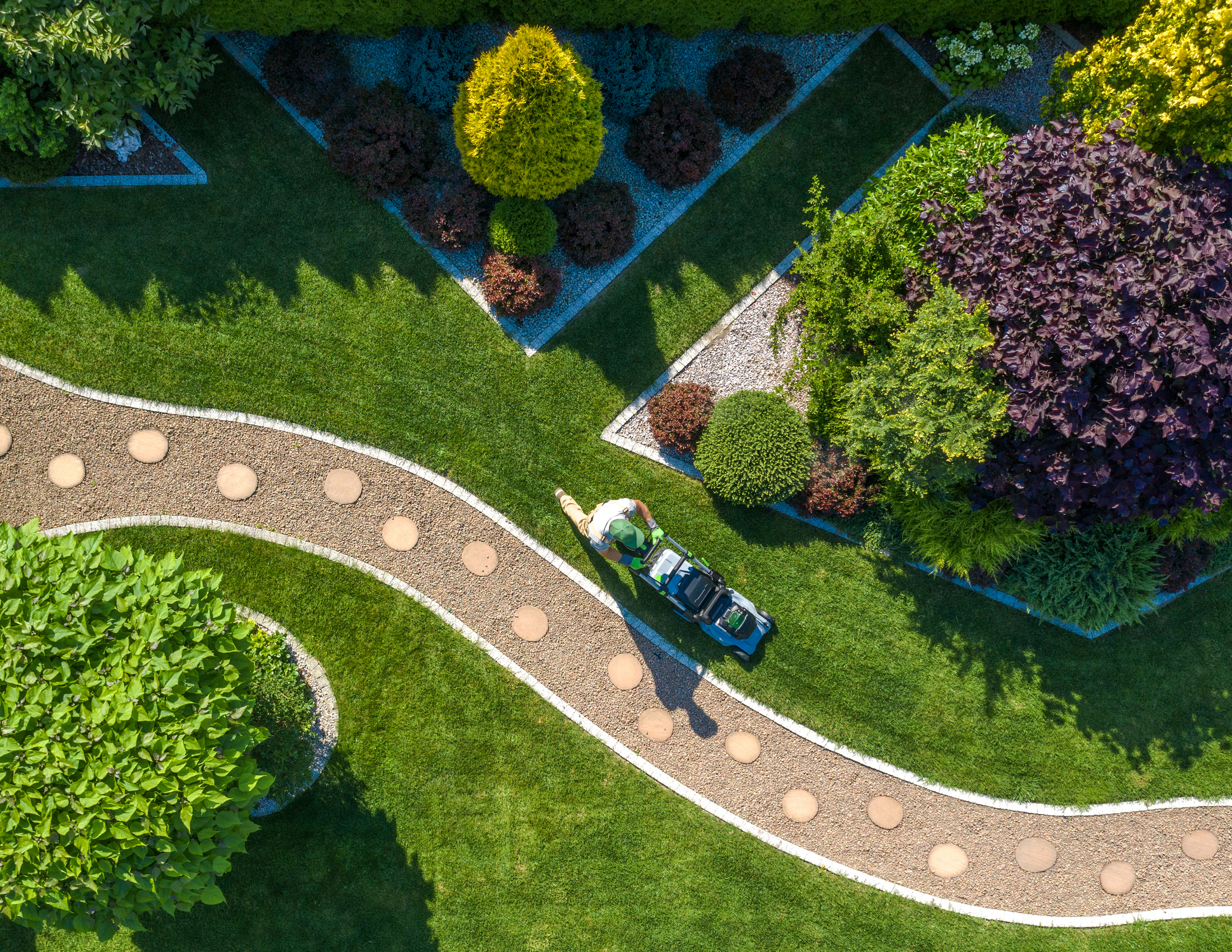
Cutting the grass may be basic lawn care, but there is a wrong way to do it. You want to make sure that the mower blades are sharp, which means that you need to ensure that they’re not blunted out like old kitchen scissors. You should also make sure that you have a good mowing height, which is why it’s important to check your grass height. Lastly, you have to follow the one-third rule, where you never mow more than a third of your grass’ height in a single mow. You should make sure that you do it regularly, too.
Water carefully
Being water wise when you water your lawn is important because poor watering habits can be a bad thing. Like when you over-hydrate yourself, you should avoid oversaturating your lawn. You should be watering at least an inch of water over your lawn each week depending on your grass type and you should water early in the morning before 8am. If you don’t want to get up so early, invest in a good sprinkling system and install an automatic timer on it.
Aerate the soil properly
It sounds like a spa treatment and it is, but it’s not for you. Aeration of your lawn relieves the compaction in the soil, allowing your turf’s roots to gain access to oxygen, water and nutrients it desperately needs. You push it around your garden like a mower and it pulls small plugs in the soil from the ground to create small holes in the lawn. You can hire someone to do this for you if you don’t have an aerator, as most lawns need it at least once a year. Lawns with clay soil especially need aeration so don’t skip this process.
Check for mushrooms and pests
A good way to ensure that your lawn is clear and looking great is to check for pests and other fungi. Pests and diseases love your lawn when you don’t stay on top of it. That tall grass, the moist environment and even the thick thatches on the grass? That’s a place for mushrooms and other pests to hide and multiply. If your lawn is showing signs of uninvited guests, it’s time to execute. There are plenty of treatment options out there, though, so you can treat your lawn and get rid of the pests and the mushrooms.
Stay on top of the weeds
If weeds are taking your lawn over, you may have to let your lawn care slide. Weeds have a very easy time of invading things if the lawn is weak, and healthy lawns will stand strong against weed interlopers. You can read your weeds and figure out which ones are problematic for your lawn. If you find that weeds are a constant issue, then it’s important to dive into improved maintenance practices with the right type of herbicide.
Rake up the leaves
If you still have leaves scattered all over your lawn, then it’s time to break out the rakes and blowers and get rid of them. There’s nothing wrong with a few leaves, but a thick layer of them isn’t good for the grass. You should remove these leaves every couple of days, more when they’re wet. Wet leaves can lead to lawn mildew and an environment perfect for pests to enjoy. A thick matting of wet leaves invites diseases and the grass won’t photosynthesise if it’s covered in layers of plants and leaves.
Your lawn will look better and brighter when you keep it clear of debris and you feed it good food. Lush and green, your lawn will be the envy of the neighborhood.