
5 Methods To Help Your Child Develop Personal Growth
As parents, one of our most important roles is to guide our children in their personal growth. This means nurturing their emotional, intellectual, and social development so they can become confident, well-rounded individuals. Personal growth is a lifelong journey, but it begins in childhood with the habits, values, and skills that are cultivated at an early age. Here are five effective methods that this private school in Surrey shares to help your child develop personal growth.
1. Encourage a Growth Mindset
A growth mindset is the belief that abilities and intelligence can be developed through dedication, effort, and learning. Encouraging your child to adopt this mindset is crucial to develop personal growth. When children believe they can improve, they are more likely to embrace challenges, persevere in the face of setbacks, and see failure as an opportunity to learn.
How to Encourage a Growth Mindset:
- Praise effort, not just outcomes. Instead of saying, “You’re so smart,” say, “I’m proud of how hard you worked on that project.”
- Teach your child that mistakes are a natural part of learning. Discuss what went wrong and how they can improve next time.
- Encourage curiosity and a love of learning by exploring new topics together and showing excitement about discovering new things.
2. Foster Emotional Intelligence

Emotional intelligence (EI) is the ability to recognize, understand, and manage one’s emotions, as well as to empathise with others. Developing EI in your child will help them navigate social situations, build strong relationships, and handle life’s challenges with resilience. All of which are key if you want to develop personal growth.
How to Foster Emotional Intelligence:
- Model emotional awareness by expressing your feelings openly and appropriately. For example, if you’re frustrated, explain why and how you plan to manage that emotion.
- Teach your child to identify and name their emotions. Use phrases like, “It seems like you’re feeling sad. Do you want to talk about what’s bothering you?”
- Practice empathy by discussing how others might feel in different situations and encouraging your child to consider other people’s perspectives.
3. Promote Independence and Responsibility
Helping your child become independent and responsible is key to develop personal growth. When children are given age-appropriate responsibilities, they learn valuable life skills, gain confidence in their abilities, and understand the importance of contributing to their family and community.
How to Promote Independence and Responsibility:
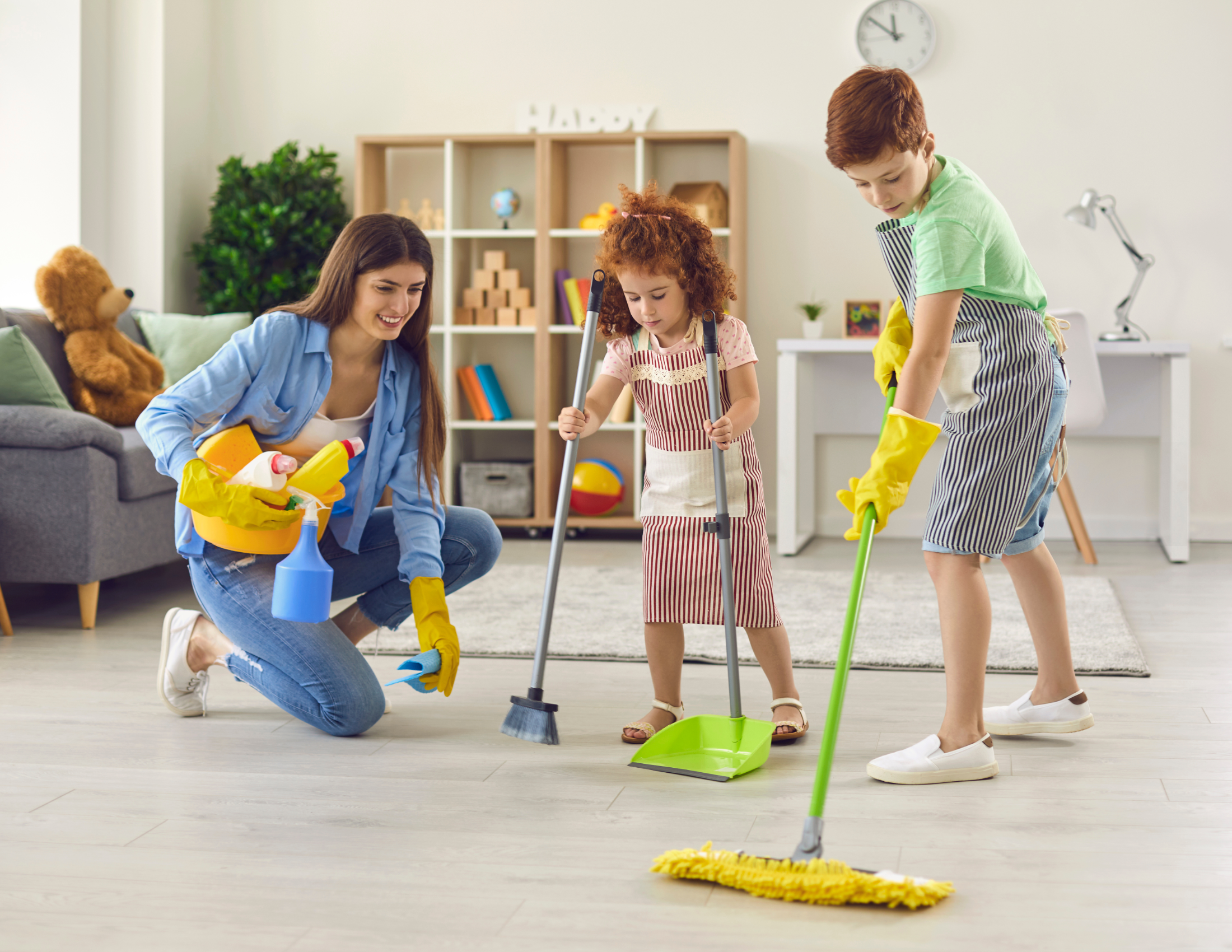
- Assign household chores that are suitable for your child’s age and ability. This could be anything from making their bed to helping prepare meals.
- Encourage decision-making by giving your child choices in everyday situations, such as picking out their clothes or deciding what to have for lunch.
- Support your child in setting and achieving personal goals. Whether it’s saving up for a toy or improving their grades, guide them in breaking down the goal into manageable steps.
4. Cultivate a Sense of Gratitude

Gratitude is a powerful tool to develop personal growth. It helps children appreciate what they have, fosters a positive outlook on life, and encourages kindness and generosity toward others. Teaching your child to practise gratitude can improve their overall well-being and help them build meaningful connections with others.
How to Cultivate Gratitude:
- Make gratitude a daily habit by encouraging your child to reflect on what they are thankful for each day. This could be done at bedtime or around the dinner table.
- Lead by example by expressing gratitude regularly in your own life. Show appreciation for the little things, like a sunny day or a kind gesture from a friend.
- Encourage acts of kindness by involving your child in activities that help others, such as volunteering or writing thank-you notes.
5. Support Their Interests and Passions
Every child is unique, with their own set of interests and passions. Supporting these interests is crucial to develop personal growth, as it allows your child to explore their identity, develop skills, and gain confidence. Whether it’s a love for music, sports, art, or science, nurturing your child’s passions will help them discover their strengths and build a sense of purpose.
How to Support Their Interests and Passions:
- Provide opportunities for your child to explore their interests, such as enrolling them in classes, providing materials, or finding related activities.
- Show interest in what your child loves by asking questions, attending events, and celebrating their achievements.
- Encourage perseverance by reminding your child that mastery takes time and effort, and that it’s okay to face challenges along the way.
Helping your child develop personal growth is a rewarding and ongoing process that requires intentional parenting. By encouraging a growth mindset, fostering emotional intelligence, promoting independence, cultivating gratitude, and supporting your child’s interests, you are laying the foundation for a lifetime of growth and fulfilment. Remember, personal growth is not about perfection, but about progress. With your guidance and support, your child will develop the tools they need to navigate life’s challenges and reach their full potential.