

Family Mental Health – Lockdown and Beyond
For many families the period of lockdown has certainly led to a range of emotions and often these are serious enough to affect mental health, not just of parents but also of the kids too. There are a lot of pressures right now but also a number of previous life pressures were removed for a while, so it is a very confused time. Here are a few points to think about and hopefully they might help a bit as we move out of lockdown into the new normal
Getting Help
Let’s start with the most serious end of things. If you are struggling with mental health be it anxiety, depression or any other issue then lockdown may well have been touch and probably still is. Getting help, or maintaining the level of help previously available is important. Online therapy is available, and it is important to embrace it. Many therapy practices are now offering therapy online during lockdown and may well continue to do so afterwards. The new normal we are moving into may well see this kind of help becoming more common.
However, it isn’t always easy! Therapy is a very private thing and trying to find space in a busy household can be very hard. Some of the subject matter discussed is often so personal partners will never know what being talked about. The key is not to avoid help because of these challenges. Speak to the people in your house and agree a safe space, a time when kids are taken for a walk or a no one goes upstairs. If you really can’t find space at home, consider some outside spaces or sitting in the car perhaps?
Emotions are For Everyone
During the peak of lockdown emotions were running high in most households but we always tend to see our own emotions as the most important, it’s hard not too. But our children’s anger, fear and worry is legitimate too. The behavioural changes children may have shown in lockdown will not only be because they need to get back to school for some structure, it will also be from then being scared. Even younger kids are able to pick up on our fears and worries so remember to give those around you a little bit of slack and take some time to talk. Again, as we move out of lockdown new fears will arise, new worries, getting back to normal may be just as stressful after months of isolation.
Positive Emotions and More Change
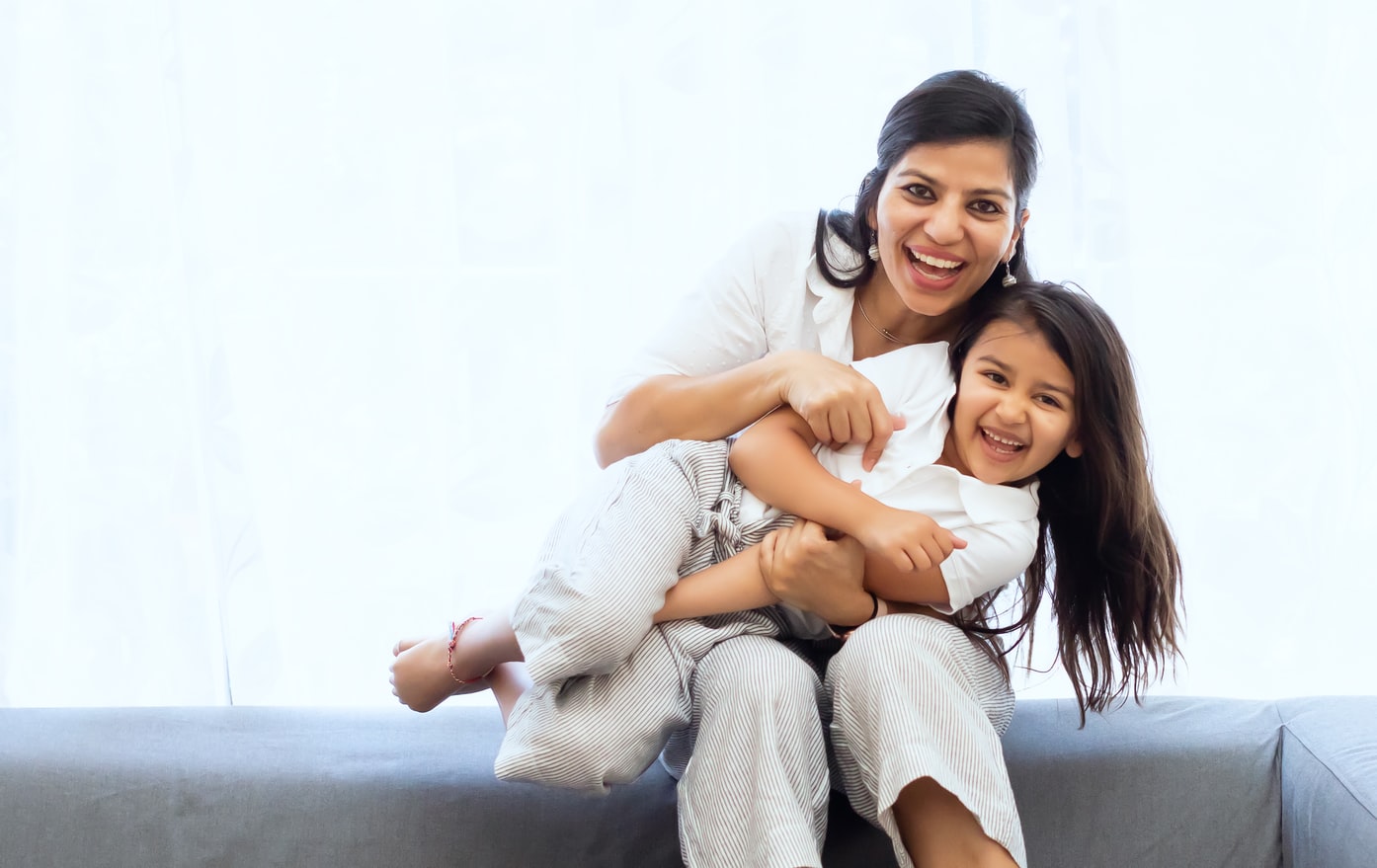
It is not uncommon for people to look back at lockdown, even now, and think how nice some of it was. The quiet roads, the family time, the sense of having everyone around. For teens it may have been very boring but also stress free. The removal of peer pressure, what to wear, school grouping issues and more may have been a welcome change for their mental health. For adults, the change in work or furlough scheme may have removed toxic work relationships and the stress of commuting. This time may have also lead to some positive changes for families and individuals.
Returning to Normal
The realisation that some, if not all of the nice bits of lockdown may be going away and the knowledge that all of the day to day stress is returning may cause more anxiety and worry, just like the first weeks of lockdown. It is important to talk about these feeling with kids and partners, friends and other adults. While lockdown was tough, it was simple, for many on Furlough it was a case of following guidelines with very little room for personal choice. We are about to move into a world where we have to make a choice constantly about safety, distancing and so much more.
Making Good of What We Have

As a final point we can all look at what we may have learned during lockdown and make something good with it. It may be that we know more about how our kids learn, we may even have spotted some traits we feel should be looked into because we had 1 to 1 learning time. We may have learnt more about our relationships and once again, it is important to isolate the things we can work on and move forward. Covid-19 has been awful, it still is awful, but that doesn’t mean we can’t grow as families, couples and individuals from it. In fact, you could say it’s a wonderful way to honour those who suffered worse than ourselves.
It is the impact on people’s social life, social interaction, leisure pursuits, etc that seems to have a major impact on Health and Wellbeing. Therefore it would seem that :- In the easing up of Coronavirus (covid 19) regulations, these aspects need to be considered / addressed.
Mental Health, we all have. It seems that it is poor Mental Health that is an Issue. Is that due to Poverty. Financial Poverty, Food Poverty Fuel Poverty, Loneliness / Social Isolation , Social Deprivation, Poor Housing, Poor quality relationships, Poor Environment, Poor Education ( illiteracy, disability, dyslexia, etc) lack of support, when once diagnosed :- Surely should be addressed, and readdressed following review/s / assessments. Aiming towards each individual being enabled to Reach their Potential via Available Opportunities.
Mental Health we all have. Emotions we all have. Is it not ‘normal ‘ to react in some way to change/s? Especially when these are outwith our control.
Emotions are more openly spoken about nowadays, than in the past. Or so we are led to believe. Seems youngsters are encouraged to acknowledge emotions, etc. As we all have emotions, may be that we should all acknowledge our own emotions.
It takes time to adjust to change/s. Acknowledging our emotions takes time. Perhaps it is time that we need. Sometime time is of the essence, sometimes action/s need to be carried out promptly (e.g. Cardio Pulmonary Resuscitaion, etc). Time Pressure/s can be stressful. Competiton can be stressful. Numerous stressful situations / circumstances can have an impact. Stressors can have an impact. As can support, amount and quality, as well as appropriateness of type /s of support can have an impact / influencing factor.
Support mechanisms offered surely need to be available, acceptable, accessible, as well as assessed via feedback, etc. Effective? Value for money / cost, effective use of Public Funds, etc, etc.
Health and Wellbeing are important factors. Poor Mental Health can be detrimental to individual/s, family /ies, Community, Society, Nation, Economy, etc, etc.
Quality of Life is Important.