
The Journey to Sustainability: Alternatives to Fossil Fuels
The world is going green. In the past few decades, people have been more environmentally conscious and are looking to reduce their carbon footprint. There are many things you can do at home to help with this journey. One way is by using renewable sources of energy like hydropower, wind power, solar power, tidal power, geothermal energy, or biomass. This blog post will discuss these different types of alternative fuels and what they entail to make an informed decision about how you want to reduce your environmental impact and work towards sustainability.
Wind Energy
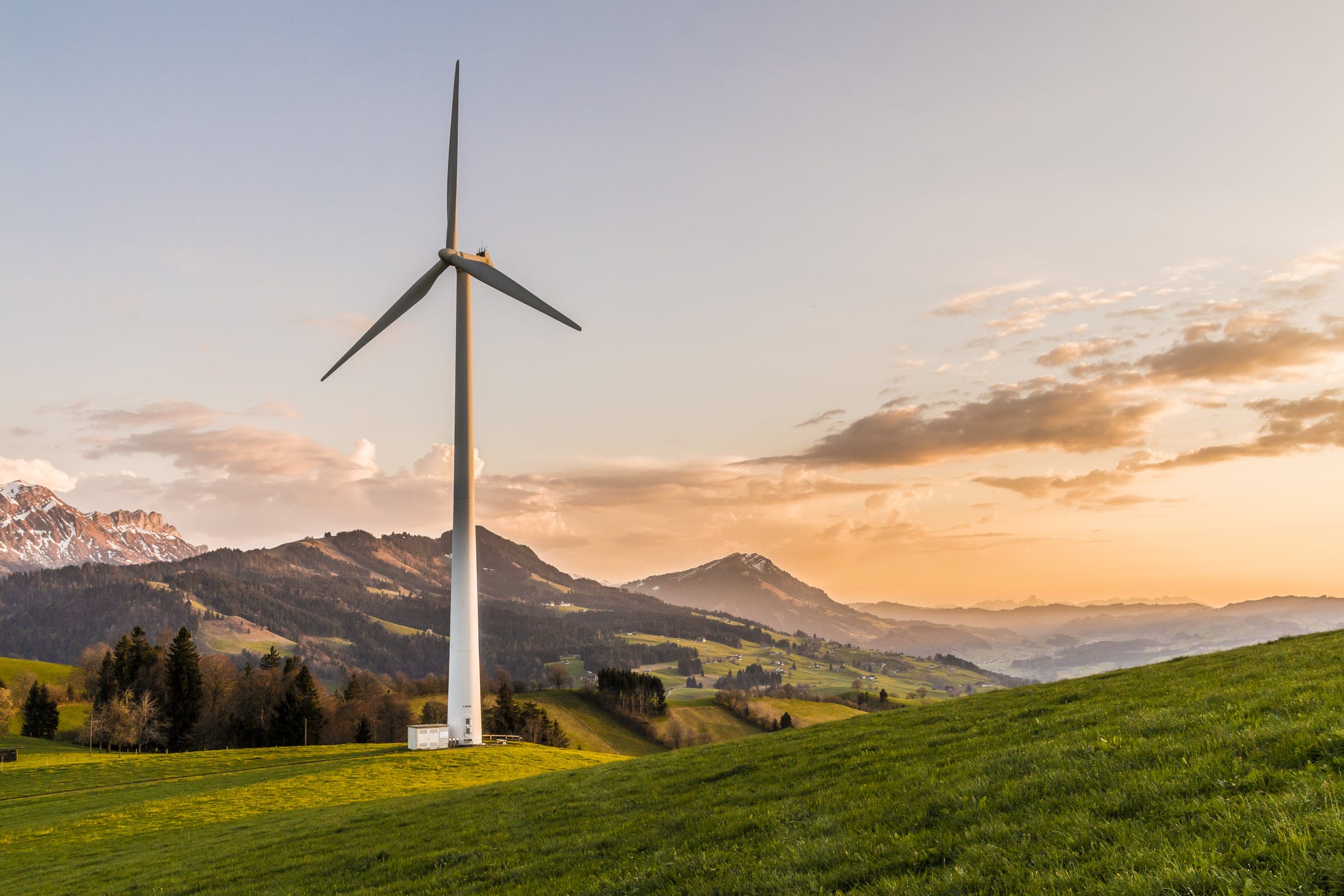
Wind energy is a renewable, natural power that ticks all the boxes for sustainability. It can be harnessed at home and in small community settings. The turbines convert the wind’s kinetic energy into mechanical rotation, turning an electric generator to create electricity. The mounting of the turbine blades on towers or poles, many of them tall enough for the blade’s tip, often reach 20 miles per hour winds.
Solar Energy
Solar panels are not just a source of renewable energy; they also help lower the operating costs for your home. You can either install solar panels on top of the roof or mounted them to the side of it. The solar panel will convert sunlight into an electric current stored in batteries connected to an inverter that converts this electricity into alternating current (AC) power so you can use it during peak hours when there’s no sun and even at night!
With increasing solar popularity globally, most companies are investing in this energy source. There are various types of solar products ad stores that have different benefits. If you are unsure of where to start, check out www.choosesolar.com to have an idea of how to handle your needs and wants.

Hydro Energy
Hydro energy is renewable and sustainable power that converts water into electricity at a low cost. This type of power generation has been in use for over 125 years, and there are many ways to harness it: all you need is a dam with enough potential head or flow rate (the height difference between two points on the same river) and an installed turbine.
There’s no pollution released from this kind of system because its source is only moving water. According to Wikipedia, it makes sense then that hydroelectricity produces approximately 16% of global electricity production today. The downside? Not every place has access to rivers; some areas have lakes instead, but these don’t generate as much pressure as waterfalls, so turbines can’t be as big.
Tidal Energy
Tidal energy converts the kinetic power of ocean waves into electricity. The technology is in its infancy, but it has shown promise with tests at small scales and one commercial project off the coast of France that provides 100kW for 25 homes each year. Tidal turbines are similar to wind turbines, except they have rotating blades mounted on floats that allow them to move up and down with changing tides instead of spinning about a mast like a wind turbine does.
Geothermal Energy
Geothermal energy is the heat from the earth’s core. It’s a renewable resource, and it produces enough power to supply all your energy needs worldwide for centuries. Geothermal electricity generation uses steam turbines like other plants. But they use water that geothermal sources have heated to create this power.
Conclusion
In conclusion, there are many alternatives to fossil fuels that you can use on a day-to-day basis. The most notable option is HHO. This has no adverse effects and could potentially power the world with clean energy, which is ideal for sustainability. However, for those who do not want to use this or other renewable methods of energy production, there is always traditional home lighting such as candles and flashlights.