

How To Keep Safe As A Tradesperson
When you work for a bigger company, it falls on them to keep you safe at work. However, as a self-employed tradesman you often work on your own. Therefore, its important you know how to keep safe as a tradesperson.
Keep Your Work Area Tidy
It’s important to keep your work area tidy to avoid any trip hazards or chemical spills. You also want to make sure that fire exits are easily accessible. Tools should be stored in a safe area to make sure only those authorised to use them have access.
Make Sure You Are Insured
Whatever trade you specialise in it’s a good idea to make sure you have tradesman liability insurance. There are many hazards associated with being a tradesman, whether you are dealing with electrics, pipework or working from heights. Even if you do everything to keep safe as a tradesperson things can still go wrong. Having adequate insurance in place will give you peace of mind and protect you financially against any claims made against you. Construction has the highest rates of fatalities for jobs in the UK so you shouldn’t leave anything to chance!
Asbestos
Asbestos kills 20 tradesman each week. So, its wise to always carry out a risk assessment in your workplace. If you have any concerns make sure you wear a protective face mask. Furthermore, you might need a licensed contractor to complete the work if asbestos is an issue.
Invest In Safety Gear
Make sure you invest in the correct safety gear for your job. High visibility jackets, hardhats, ear defenders and eye protection will help you keep safe as a tradesperson. Make sure your footwear has steel toe caps for protect against sharp or falling objects. Although if you are an electrician its probably advisable to go for composite toe caps instead in case of electric shock. If you are working from heights always have scaffolding so you have a safer platform to work from.
Correct Handling Procedures
Back and shoulder injuries are very common in tradespeople from manual handling. They need to ensure they use correct handling procedures when moving heavy equipment and supplies. Use mechanical lifting aids when available. If not make sure your feet are apart to keep you stable for the lift. Also keep the load close to your waist.
Training
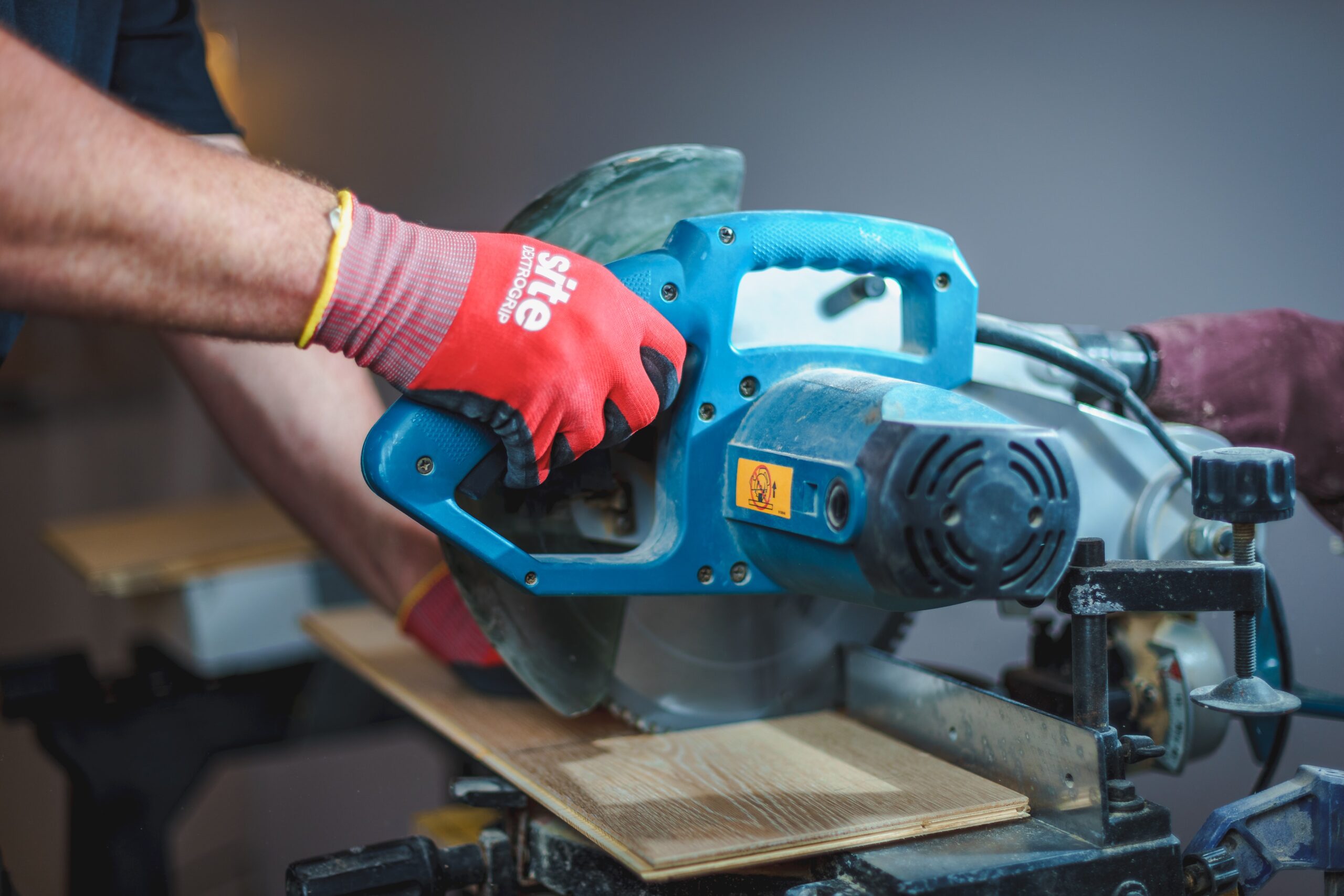
Make sure you are adequately trained in the tools you use, manual handling, first aid and working at height. You need to be aware of hazards so you can manage risk and anticipate what might go wrong. Plus, you are more likely to make the correct decision if you have been thoroughly trained.
Work In Daylight
It’s worthwhile trying to work in daylight when visibility is best to reduce the chance of accidents.
Fire Risk
If you have to do soldering work, then it might be worthwhile having a fire extinguisher with you just in case! Also make sure your power tools are PAT tested annually so you know they are in good working order.
Hopefully these tips will help keep you safe as a tradesperson.