
How to raise a team player
Is your child a great team player? Someone who helps out regularly at home and at school? Someone who knows not just how to lead but how to follow too? There are many reasons why it’s important for your child to learn about being a great team player. Being a person who sees himself as part of a team rather than the center of the universe is a great trait for them to attain.
Why it is important?
Children who understand how to share responsibilities and work well with others tend to be less self-centered. Plus they can be more respectful, responsible, resilient and cooperative. Research has shown that children who do day-to-day tasks regularly in the house such as chores from an early age are far more likely to be successful when they’re adults. The good news is that teaching children the value of teamwork doesn’t mean being told what to do in a stern voice. Here is some advice from a private nursery in New York on how to raise a team player.
Getting them involved in chores
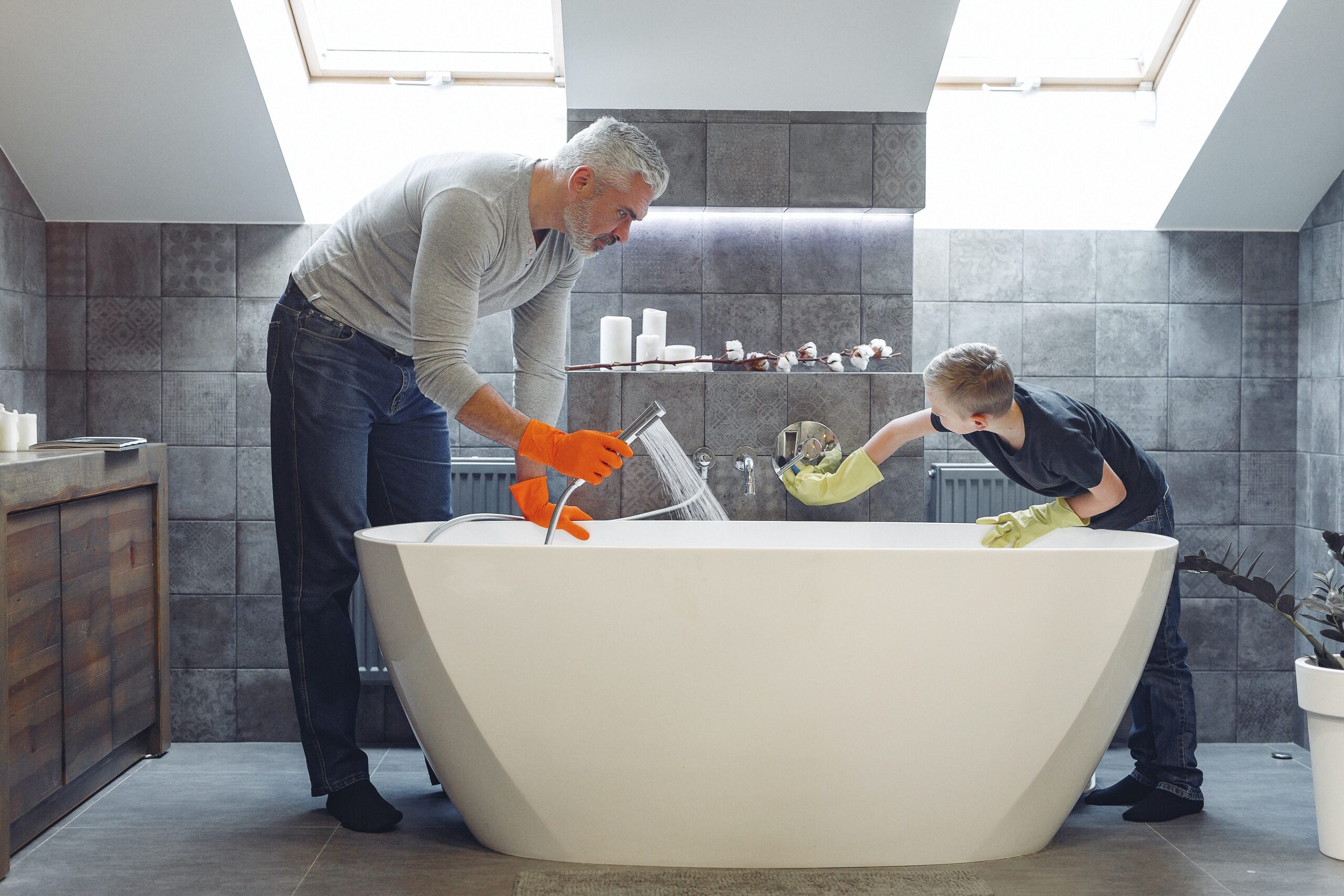
Start by getting them involved in family household work. Begin by holding a family meeting. Have a discussion and create a chart of different chores that need to be done around the house. Children will be more enthusiastic when it comes to sharing jobs when they are asked to contribute their ideas and opinions. Include the chores that you as a parent will be completing as well so they can see what every person in the household will be contributing. Ask them different questions such as who they think should be putting the toys away or unloading the dishwasher. The key is to make them feel involved. On your chart, make a weekly chore list. A tip to make housework more fun is to change the chart up every now and then. Basically so that everyone takes part in different tasks!

Try team building games
Give your child the chance to play a game where they build on skills such as trusting others to do a good job in a team. Pair everyone up in a team. Then blindfold one of the players in each pair. The game is to get the guide to lead the blindfolded player through the house or garden towards an obstacle course with only words directing them. Everyone should take turns in playing both roles. Then they can see what it is like to meet the needs in different sides of a team.

Raising a team player can easily be done so start with your child today.