

Tips for Creating Your Own Tea Garden
Nothing beats brewing your tea with fresh herbs from your garden. Creating a tea garden can be an enjoyable and fulfilling project. One that provides fresh herbs all year long for tea brewing, so here we offer tips and tricks on starting one yourself.
Select an Ideal Site
The initial step in designing your tea garden should be selecting an appropriate site. Most herbs used for tea require full sun. So choose a spot with at least six hours of direct sunlight per day. Furthermore, ensure it drains well, as many herbs don’t like sitting in water. Finally, consider placing it near south-facing walls or fences in colder climates to protect the herbs from windy conditions.
Choose Your Herbs
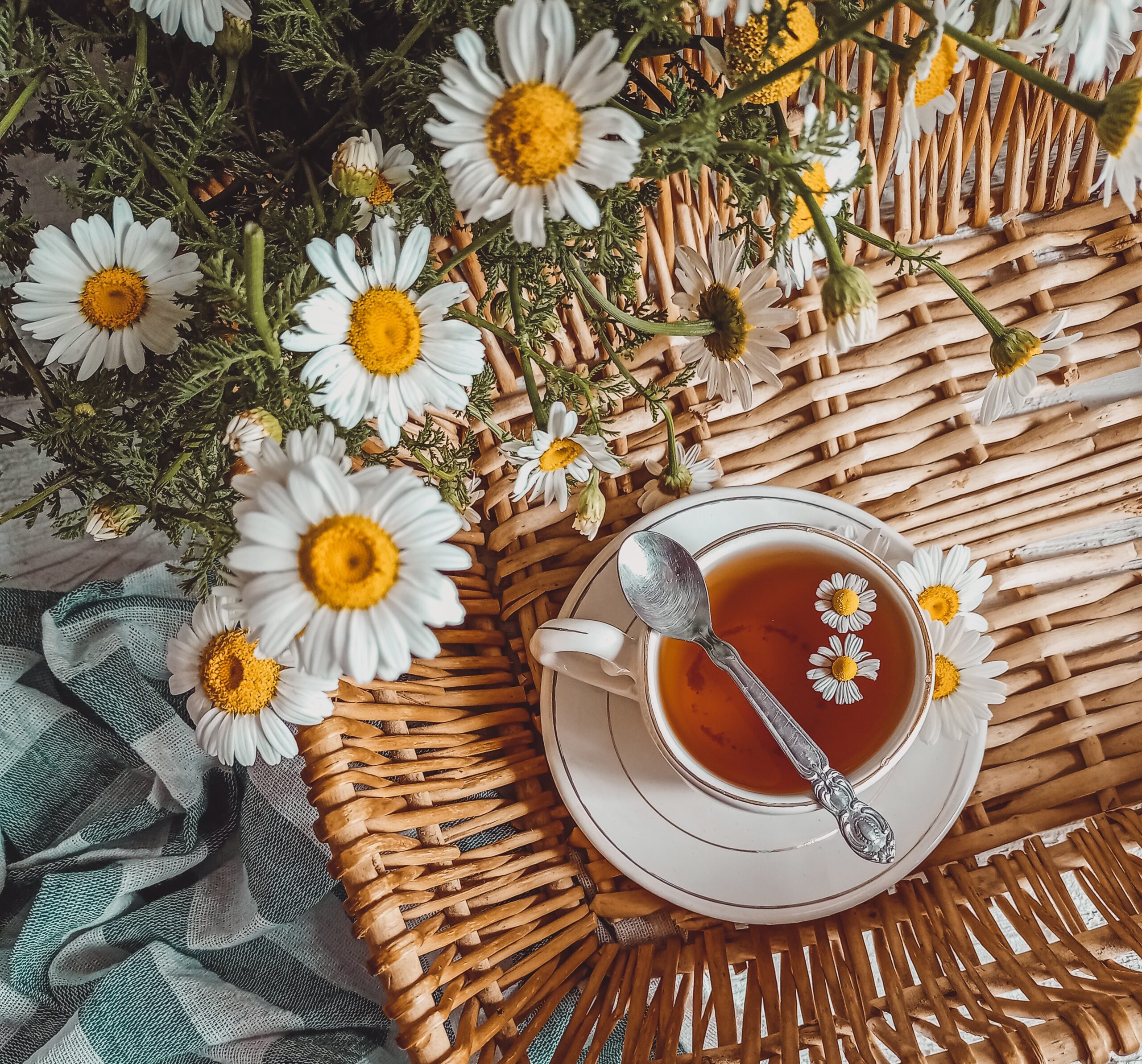
Once you’ve chosen the location for your tea garden, the next step should be selecting which herbs you will plant in it. Some popular choices for creating tea gardens include chamomile, peppermint, lemon balm, lavender, and rosemary. They are easy to grow and can produce numerous varieties of tea! In addition, consider planting drought-tolerant herbs like thyme or sage, as these will thrive well in any climate or soil type – for instance, if you live in a dry climate, these could make great additions!
Plan Your Garden
Before planting begins, take some time to plan out your tea garden carefully. First, consider the amount of space available, and the types and quantities of herbs you wish to grow; beginning with just a few will allow for expansion over time. Next, consider how you will arrange them within your garden space–rows or clusters with concrete pavers in between are both possibilities, while multipurpose tea gardens could include different combinations.
Plant Your Herbs
When planting herbs, ensure they have enough space to flourish. Most varieties require at least 12-18 inches between plants for proper development. Dig a hole slightly larger than the root ball and place your plant carefully inside before filling up with soil until backfilling to eliminate air pockets around its base.
Once your herbs have been planted, it’s important to water and fertilize them regularly. Most herbs prefer deep irrigation once every week rather than regular shallow irrigation. You should also periodically fertilize with balanced fertilizers like those available from retailers – follow any instructions accompanying each package to avoid over-fertilizing your herbs!
Harvesting
Once your herbs have reached full maturity, it is time to harvest them. Most herbs should be collected early in the morning when their oils are at their highest. You can harvest leaves, stems, and flowers of most herbs; additionally, regular pruning of your herbs is advised to promote continued growth.
Store Your Herbs Properly
Once your herbs have been harvested, you’ll want to store them properly to keep them at their freshest. Most herbs can be dried by hanging them upside down in a warm, dry location, or fresh herbs may be stored for a short period in your refrigerator by wrapping them in a damp paper towel and placing them into a plastic baggie.
Whether you’re an enthusiast of tea or simply seeking an engaging hobby, creating your tea garden is an incredible way to connect with nature, gain new skills and enjoy the results of your efforts. Plus drinking tea is good for you, so it could even improve your health too. Happy gardening!