
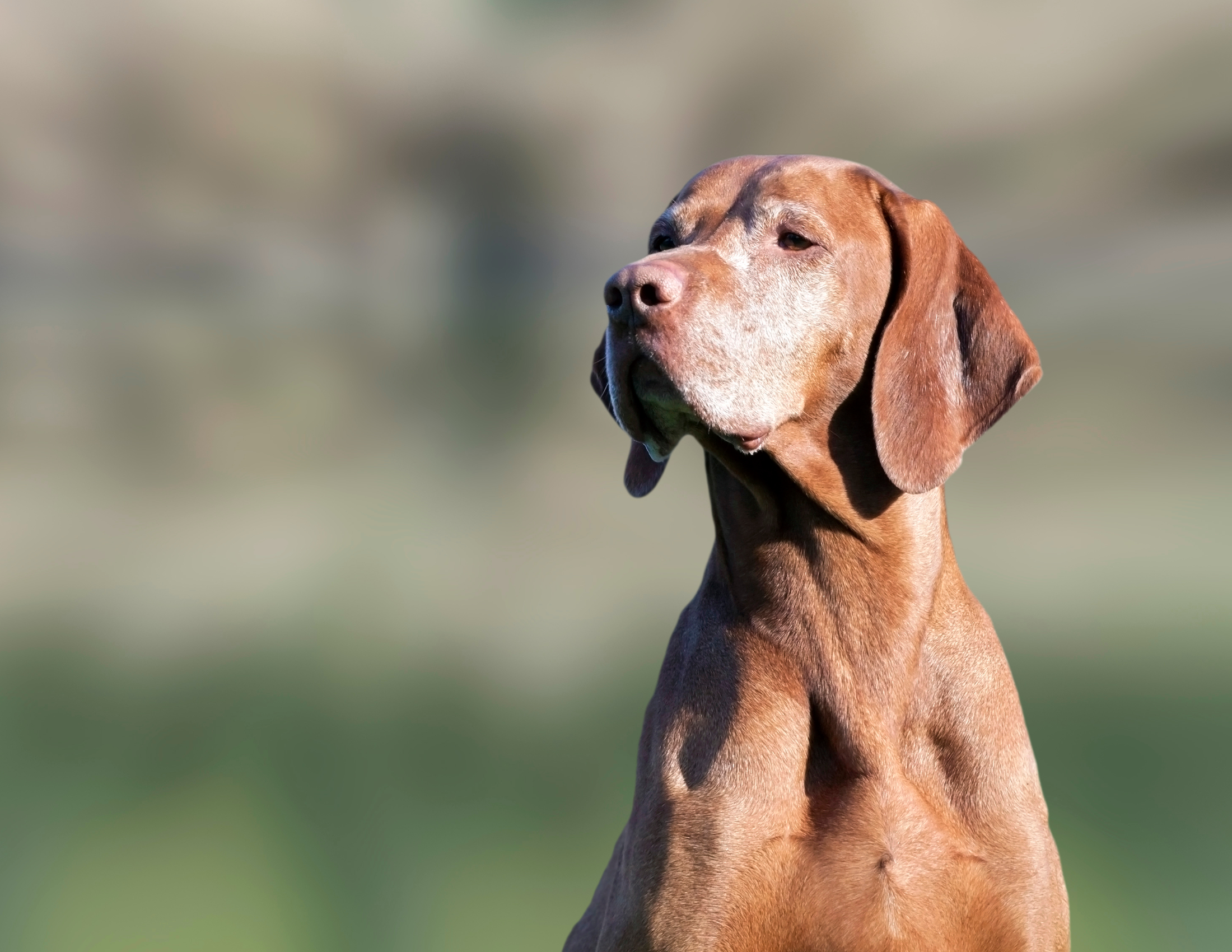
6 Tips to Keep a Senior Dog in Good Shape
Dogs aged seven years and older have specific needs that can differ from those of younger dogs. By this time, they are considered a senior dog and can undergo significant physical and physiological changes. They’re likely to move slowly and be less sprightly and energetic than they were before. They may also experience decreased sensory perception on top of age-related health issues like arthritis, chronic pain, and stiffness in their joints.
Considering how many changes your dog will go through when they become a senior, it’s important to provide them with proper care. That includes adjusting their diet and fitness regimen and creating a more safe and comfortable environment for them to move around in. This is what will allow them to live their senior years more comfortably and with vitality.
If you have a senior dog in your household, here are some essential tips to help them stay in the best of health:
1) Modify Their Exercise Routine
While senior dogs may not have the same level of energy as when they were younger, you’ll still want to ensure that they’re as active as they can possibly be. Engage them in a regular fitness routine to keep them at a healthy weight, improve their joint mobility, and sharpen both their strength and their wit. Just make sure your aging dog uses durable custom dog collars and leashes during walks to keep them safe.
At this point in their life, you should also modify their fitness sessions based on their age and their overall physical fitness. Space out one long walk, for example, into a few shorter walks that are between five and ten minutes long. If your dog tires easily, consider doing low-impact activities like swimming with them. Swimming is gentle on the joints and will still provide your dog with a full-body workout.
Regardless of the fitness activity, continuously observe your dog. If they show signs of fatigue or discomfort, give them time to rest and provide them with fresh, clean water.
2) Look After Your Dog’s Teeth
Senior dogs are especially prone to dental issues like tooth decay and gum disease. If not addressed in a timely manner, these problems can cause your pet discomfort, especially while they’re eating.
Maintain your dog’s dental health by brushing their teeth regularly. Ideally, you should do this at least a few times a week, using a soft-bristle toothbrush and toothpaste formulated specifically for dogs. You can buy Colloidal Silver toothpaste that has antibacterial properties for pets because of the flakes of silver. The all natural colloidal silver toothpaste is also anti-fungal and antiviral so perfect for keeping their teeth in tip top condition. When brushing your dog’s teeth, focus on the outer surfaces of each tooth, as these areas are where plaque and tartar tend to accumulate.
Dental issues can also lead to even more severe health issues, such as kidney and heart problems. That’s why you’ll want to prioritize the dental care aspect of your senior dog’s daily routine.
3) Opt for Senior Dog Food
When dogs age, their metabolism slows down and makes them more prone to weight gain. To address this change in their diet, consider transitioning your pet to high-quality senior dog food. Look for a product that’s specially formulated to provide balanced nutrition, with reduced calories and increased fiber content.
Aside from switching your pet’s food, you’ll also want to be extra judicious about portion control. Avoid overfeeding your dog, as this can lead to obesity. That, in turn, can exacerbate joint problems and reduce your pet’s overall mobility.
It’s best to consult your veterinarian about the appropriate portion size to give your senior dog. They can recommend an ideal one based on your dog’s size, age, and activity level.
4) Do Regular Vet Check-Ups
As your pet grows older, expect to make more frequent appointments with your vet. Timely intervention from your vet will allow you to identify any age-related health concerns early on and develop an appropriate care plan for your dog.
You should also make sure to keep your senior dog’s vaccinations up to date. Lastly, let your dog go through requisite flea and tick control, heartworm prevention, and regular parasite screenings, as these are all essential towards keeping them healthy.

5) Consider Giving Your Senior Dog Health Supplements
Also consider bolstering your senior dog’s health with supplements. Look for those that help deal with joint issues or other age-related concerns. Two common supplements for senior dogs are glucosamine and chondroitin. Both can help maintain joint health and alleviate stiffness and discomfort. Omega-3 fatty acids, in addition, can reduce inflammation and support your senior dog’s cardiovascular health.
Before you introduce any supplements to your senior dog’s diet, however, you’ll want to consult your veterinarian. They can recommend the appropriate dosage and type of supplements based on your dog’s health profile.
6) Prioritize their Comfort and Safety at Home
In addition to your pet’s physical health, you’ll want to ensure that they can always retreat to a comfortable and safe environment at home, as this will do wonders for their well-being. If your dog has arthritis or joint problems, furnish their corner of the house with a well-padded bed or cushioned mat for them to rest on. This can alleviate pressure on their joints and help them get a good night’s sleep.
Mobility issues are also common in senior dogs. If your dog is experiencing difficulty moving around in your home, assist them or make extra provisions, for example by installing ramps or steps to help them access furniture or navigate stairs more easily. These aids can reduce their risk of injury and discomfort. Also make sure that your home is free from hazards that could cause your senior dog to slip, trip, or fall.
Compared to when they were young pups, senior dogs can have different needs for living life healthily and comfortably. As their owner, you must recognize this and ensure that your canine gets the care they deserve. Start with the tips mentioned above to help your beloved senior dog enjoy their golden years.