

Sustainable Living: Transforming Your Home into an Eco-Friendly Haven
Sustainable living is increasingly becoming a crucial part of how we think about our homes and lifestyles. As awareness of environmental issues grows, many of us are seeking ways to reduce our carbon footprint and make our living spaces more eco-friendly. Transforming your home into a haven of sustainability is not just about making a statement; it’s about making a tangible difference to the planet and improving your quality of life. This guide offers practical steps to help you integrate eco-friendly practices into your home, covering everything from energy-saving upgrades to sustainable decor. Whether you’re looking to make minor adjustments or overhaul your living space, these insights will help you create a home that’s not only environmentally responsible but also a peaceful, healthy place to live.
Energy Efficiency Upgrades
Upgrading your home to be more energy-efficient is a vital step towards sustainability. Start by assessing your current energy use and identifying areas for improvement. Replacing old appliances with energy-efficient models is a straightforward way to reduce energy consumption. Look for products with high energy star ratings, as these are designed to use less electricity and water. Insulating your home effectively can also make a significant difference, keeping it warmer in winter and cooler in summer, thereby reducing the need for heating and air conditioning. Consider double-glazing windows, insulating loft spaces, and sealing drafts around doors and windows. Additionally, installing a smart thermostat can help manage your heating system more efficiently, ensuring you only use energy when and where it’s needed. These upgrades contribute to a more sustainable planet and can lead to substantial savings on utility bills.
Eco-Friendly Materials and Decor
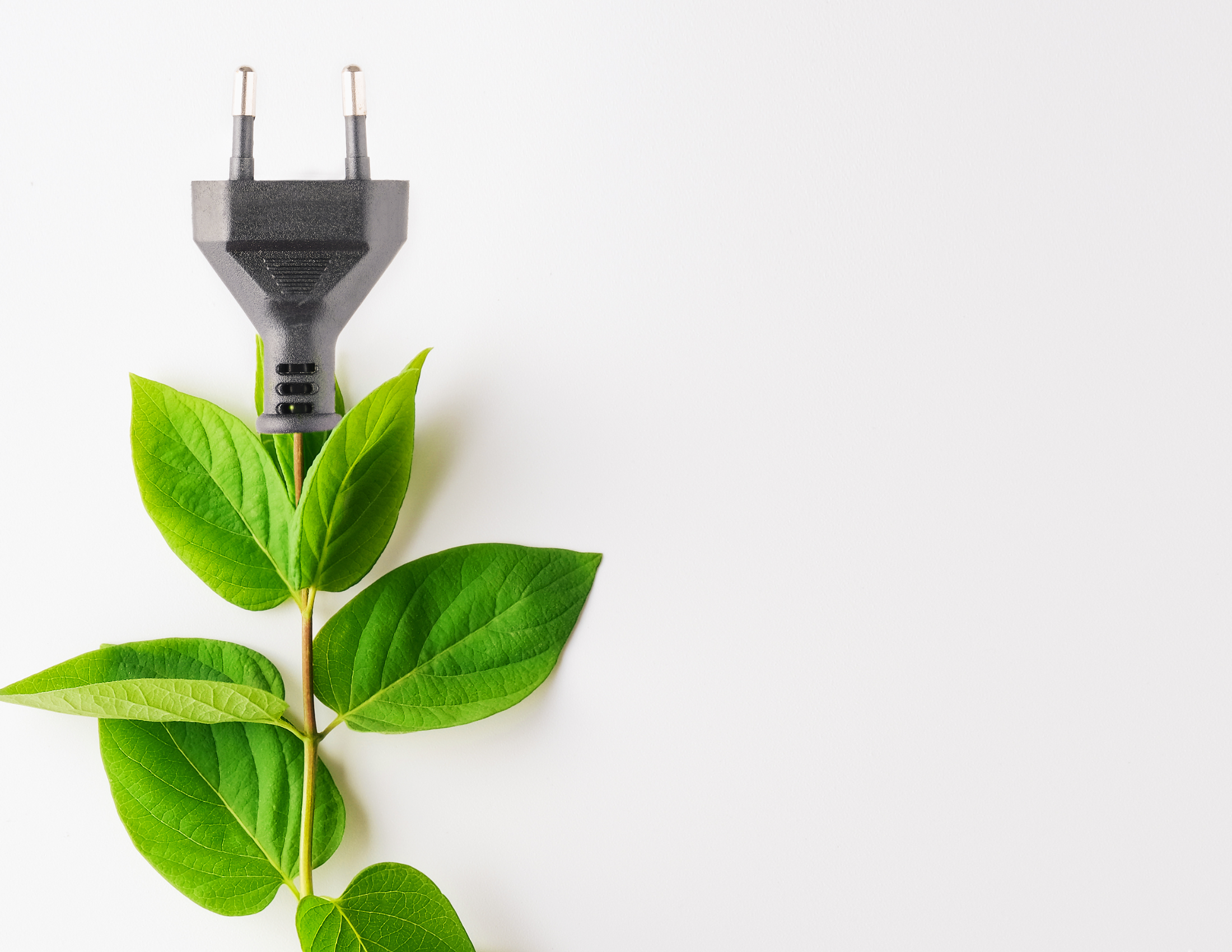
Incorporating eco-friendly materials and decor into your home is another effective way to support sustainable living. Opt for furniture and home accessories made from natural, renewable, or recycled materials. Bamboo, for example, is a highly sustainable option due to its fast growth rate and minimal need for pesticides. When choosing paint, look for options with low or zero volatile organic compounds (VOCs), which have a lower impact on air quality. Sustainable textiles, such as organic cotton or recycled polyester, are excellent choices for curtains, bedding, and upholstery. These materials are better for the environment and tend to be higher quality and more durable. Incorporating plants into your home decor can improve indoor air quality and add a touch of nature to your living space. By making conscious choices about the materials and decor in your home, you can create a stylish, comfortable environment that aligns with your eco-friendly values.
Water Conservation Strategies
Water conservation is a crucial aspect of sustainable living, with significant benefits for both the environment and your water bill. Simple adjustments to daily habits can lead to substantial savings in water use. Installing low-flow showerheads, taps, and dual-flush toilets can dramatically reduce water consumption in your home without sacrificing performance. Collecting rainwater for garden use is another effective strategy, lessening the demand on municipal water supplies and providing your plants with a healthier watering option. Fixing leaks promptly is essential; even a slow drip can waste a considerable amount of water over time. Additionally, rethinking your garden’s design to include drought-resistant plants and efficient watering systems, such as drip irrigation, can minimize outdoor water use. These strategies contribute to a more sustainable home and foster a deeper connection with the natural resources we often take for granted.
Reducing Paper Waste
Reducing paper waste is a significant step towards a more eco-friendly home and lifestyle. In our digital age, many traditional paper uses can be efficiently replaced with electronic alternatives. For instance, opting for digital invoices, receipts, and bank statements can dramatically cut down on the paper clutter in your home. When it comes to managing documents, tools like PDF to Word converters can be incredibly useful. These tools allow you to edit documents digitally, reducing the need to print, fill out, scan, and resend paper forms. By converting a PDF to Word, you can easily change documents and share them electronically, reducing your reliance on paper. Recycling paper is also crucial; ensure that any paper that does make its way into your home is recycled appropriately, from newspapers to packaging.
Investing in Sustainability
Investing in sustainability goes beyond changing your immediate environment; it involves supporting businesses and products that align with eco-friendly principles. When purchasing new items for your home, consider the environmental impact of the products and choose companies that prioritize sustainability in their manufacturing processes and supply chains. This might mean opting for more energy-efficient appliances, furniture made from sustainably sourced materials, or supporting local businesses to reduce transportation emissions. Moreover, investing in renewable energy sources, such as solar panels, can significantly reduce your household’s carbon footprint and energy costs in the long run. Sustainable investments also extend to your financial decisions. Look for green investment opportunities or banks that fund eco-friendly projects.
Green Gardening Tips
Transforming your garden into a green, eco-friendly space is not only beneficial for the environment but also enhances your well-being. Start by choosing native plants that are adapted to your local climate and soil conditions. These plants require less water and are more resistant to pests, reducing the need for artificial irrigation and chemical pesticides. Composting organic waste from your kitchen and garden provides a rich, natural fertilizer for your plants, promoting healthier growth and reducing landfill waste. Encourage biodiversity by creating habitats for beneficial insects, birds, and other wildlife; a simple bug hotel or bird feeder can make a big difference. Additionally, consider implementing water-saving techniques such as mulching and drip irrigation to minimize evaporation and water runoff.
Final Thoughts
Adopting a sustainable lifestyle is a journey that involves making conscious decisions about how we live and interact with our environment. Transforming your home into an eco-friendly haven significantly reduces your ecological footprint and promotes a healthier planet. From energy efficiency and water conservation to reducing paper waste and investing in sustainability, each action you take can have a profound impact. Embracing green gardening practices further extends your commitment to the environment, enhancing the biodiversity and natural beauty of your outdoor space. Remember, transitioning to more sustainable living doesn’t have to be overwhelming; even small changes can make a big difference.