
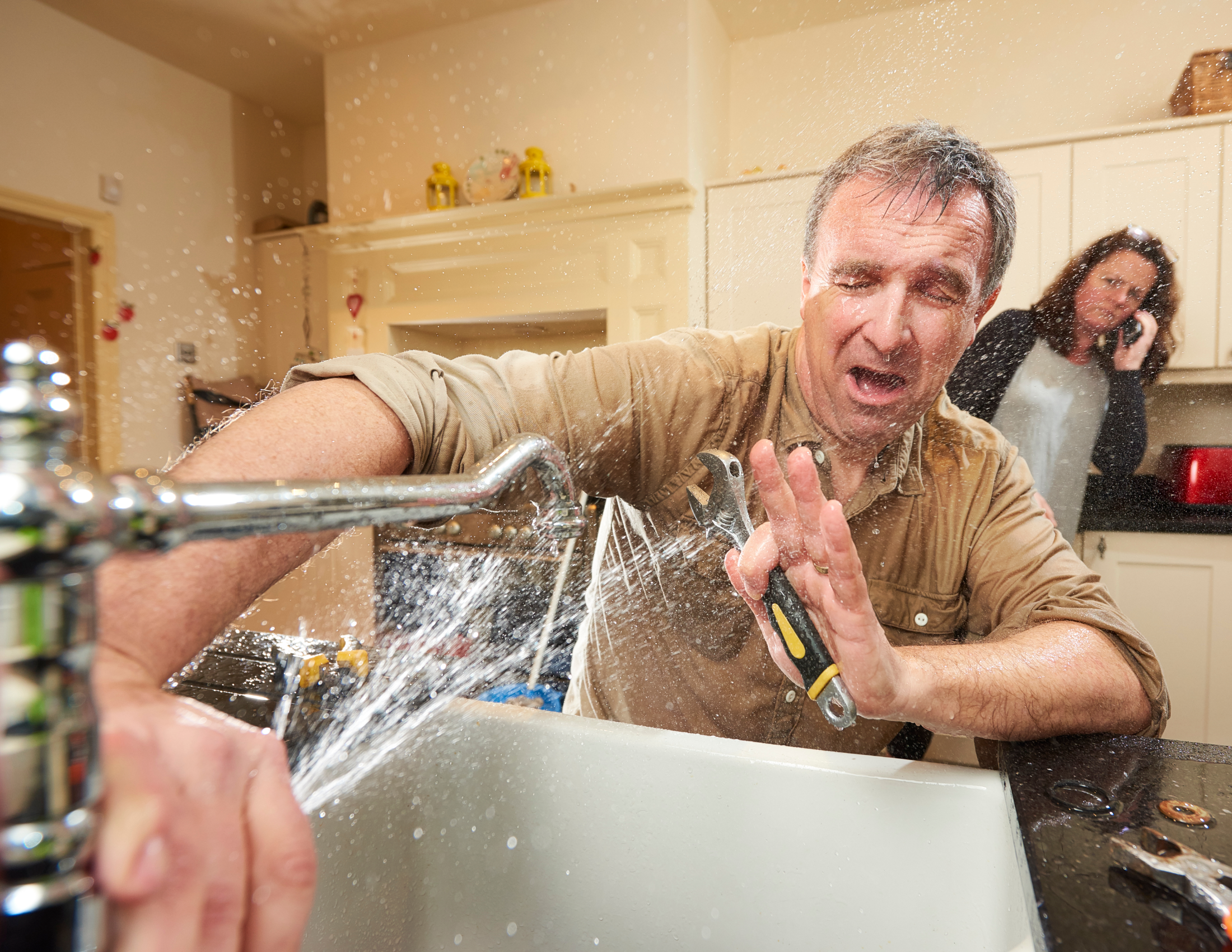
6 Essential Tips for Preventing Water Damage in Your Home
Water damage is a significant concern for homeowners, especially in areas like Florida, where the climate can bring heavy rains and hurricanes. The impact of water damage can be extensive, affecting both the structure and safety of your home. Preventing water damage is essential for maintaining a secure and healthy living environment.
In this article, we’ll provide essential tips to help protect your home from water-related issues, ensuring that you can enjoy your Florida residence without the worry of unexpected water damage.
1. Regularly Inspect Your Roof and Gutters
Regular inspection of your roof and gutters is crucial in preventing water damage to your home. The roof is your home’s first line of defense against the elements, and any damage can lead to leaks that may cause significant water damage. Start by checking for missing or damaged shingles, as these are common entry points for water. Look for signs of wear, such as curling, cracking, or discoloration, which can indicate that your roof needs repair or replacement.
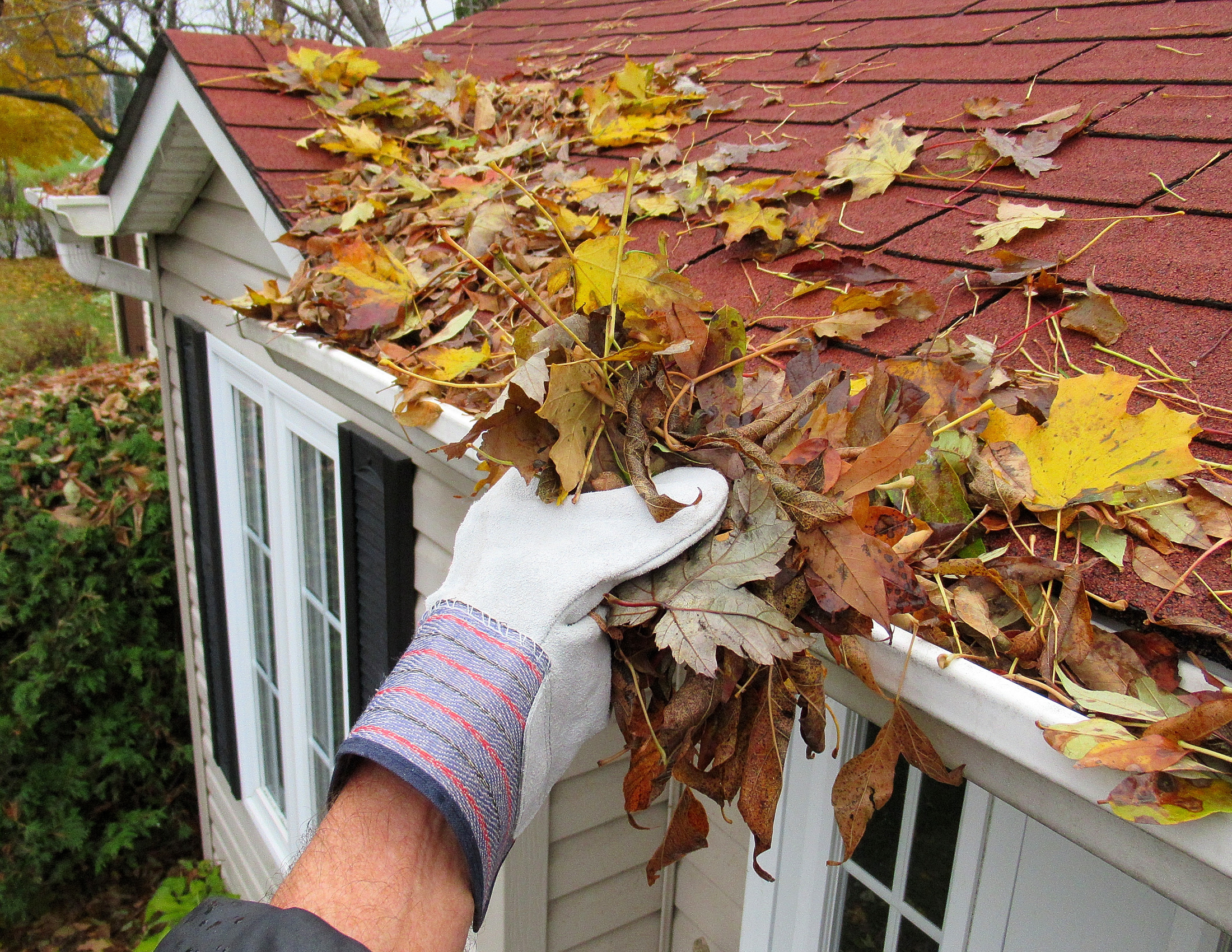
In addition to the roof, ensure that your gutters are clear of debris. Clogged gutters can lead to water overflowing and pooling around your foundation, leading to possible structural damage. It’s essential to clean your gutters regularly, especially after heavy storms or during the fall when leaves are more likely to accumulate.
2. Ensure Proper Drainage Around Your Home
Proper drainage is essential to preventing water damage, especially in areas prone to heavy rainfall, like Clearwater, Florida. Effective drainage systems direct water away from your home’s foundation, reducing the risk of structural issues and basement flooding. Begin by assessing the grading around your property; the ground should slope away from your house to facilitate proper drainage.
To enhance your home’s protection, consider installing drainage systems like French drains. Consulting with a professional from a Clearwater water damage company, like Flood Pros USA, can provide expert advice and solutions tailored to your specific situation. These experts can help you implement effective drainage measures, safeguarding your home against potential water damage.
3. Install a Sump Pump in Your Basement
A sump pump is an important tool for preventing water damage in your basement, especially in places that are likely to receive heavy rainfall or high groundwater levels. Installing a sump pump can help protect your basement from water damage by automatically removing water that gets stored in a sump basin. This prevents water from rising and potentially flooding your basement.
When choosing a sump pump, consider factors such as capacity, power source, and whether you need a backup system. It’s crucial to ensure that the sump pump is correctly installed and maintained. Regularly test the pump to make sure it’s working properly, and clean the sump basin to prevent debris from clogging the system. A backup power source, such as a battery or generator, can be invaluable during power outages, ensuring that the sump pump continues to operate and protect your home from water damage.
4. Seal Windows and Doors
Properly sealing windows and doors is another critical step in preventing water damage. Cracks or gaps around windows and doors can allow water to seep into your home, leading to potential structural damage and mold growth. Start by inspecting the seals and caulking around all windows and doors, looking for signs of wear, cracks, or gaps. Replace weather-stripping or reapply caulking as needed to ensure a secure seal.
In addition to checking seals, ensure that the frames of your windows and doors are in good condition. Warped or damaged frames can compromise the seal and allow water to enter. Consider upgrading to double-paned windows or storm doors for added protection. Regularly checking and maintaining these seals can prevent water from entering your home, protecting both the structure and interior finishes.
5. Check and Maintain Plumbing Systems
Maintaining your plumbing system is crucial in preventing water damage, as leaks and bursts can cause extensive damage quickly. Regularly inspect your pipes, hoses, and connections for signs of wear, corrosion, or leaks. Pay particular attention to areas where pipes are exposed, such as under sinks, in basements, and around appliances like washing machines and dishwashers.
In colder climates, take precautions to prevent frozen pipes, which can burst and cause significant water damage. Insulate exposed pipes, keep the heat on during cold weather, and allow faucets to drip during extreme cold to prevent freezing. Moreover, consider installing a water leak detection system that can alert you to leaks early, allowing you to take action before a minor issue becomes a major problem. Regular maintenance and vigilance can help you identify and address potential plumbing issues before they lead to costly water damage.
6. Maintain Your HVAC System
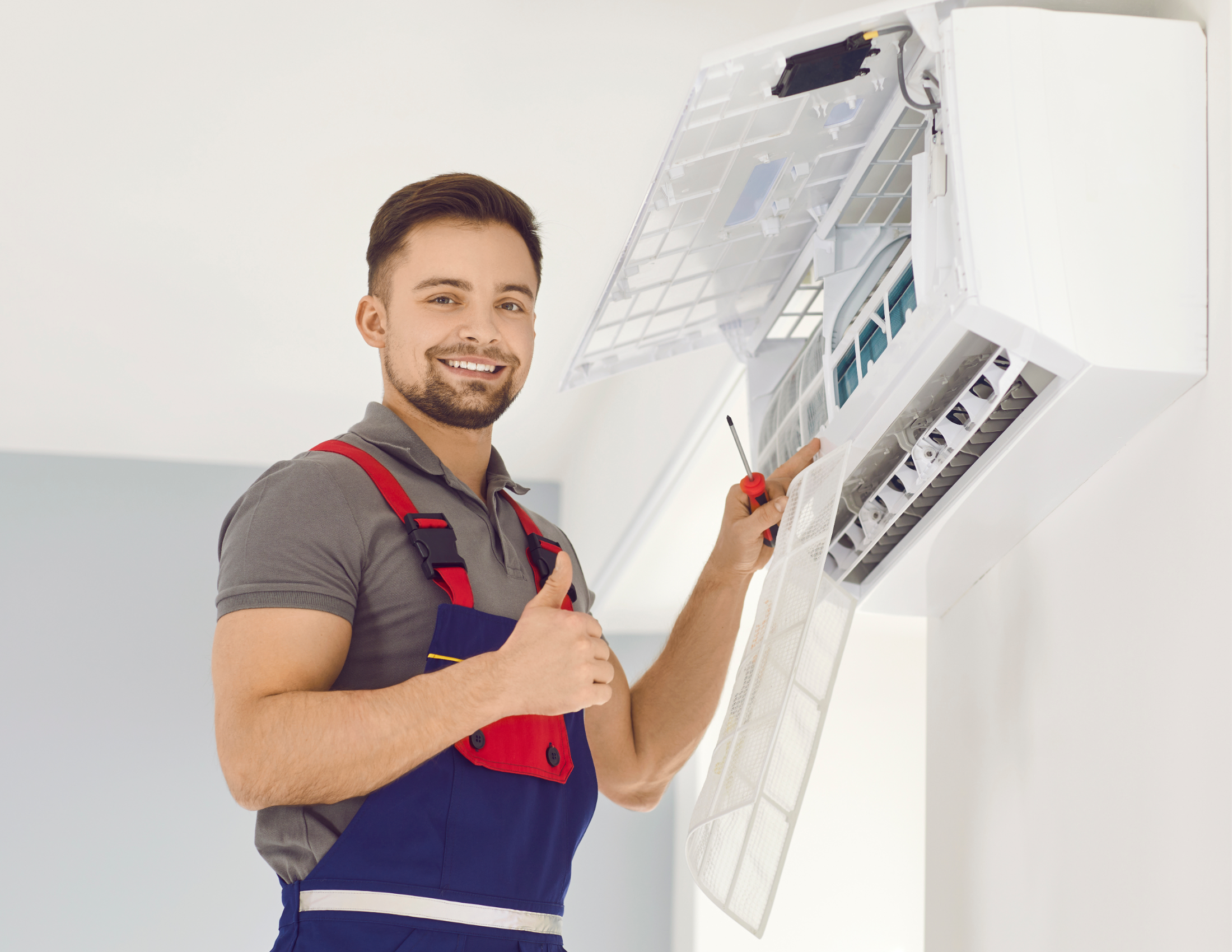
Your HVAC (heating, ventilation, and air conditioning) system can be a source of water damage if not properly maintained. Air conditioning units, in particular, can produce significant amounts of condensation, which can accumulate and cause water damage if not properly drained. Regularly inspect and maintain your HVAC system to prevent issues related to water buildup. This earlier article might help you locate a reliable HVAC company which will go a long way to preventing water damage in your home.
Ensure that your air conditioning unit’s condensate drain line is clear and functioning correctly. A clogged drain line can cause water to back up and overflow, leading to potential water damage. It’s also essential to check the drain pan for any signs of rust or cracks and replace it if necessary. Regularly change air filters to maintain proper airflow and prevent the system from overworking, which can lead to excess condensation. By keeping your HVAC system in good working order, you can prevent water damage and improve the efficiency of your system.
Key Takeaways
Taking proactive measures preventing water damage is essential for safeguarding your home. Regular maintenance, monitoring, and preparedness can make a significant difference in protecting your property and minimizing potential risks.
By staying vigilant and addressing issues promptly, you can ensure a safe and dry living environment.