
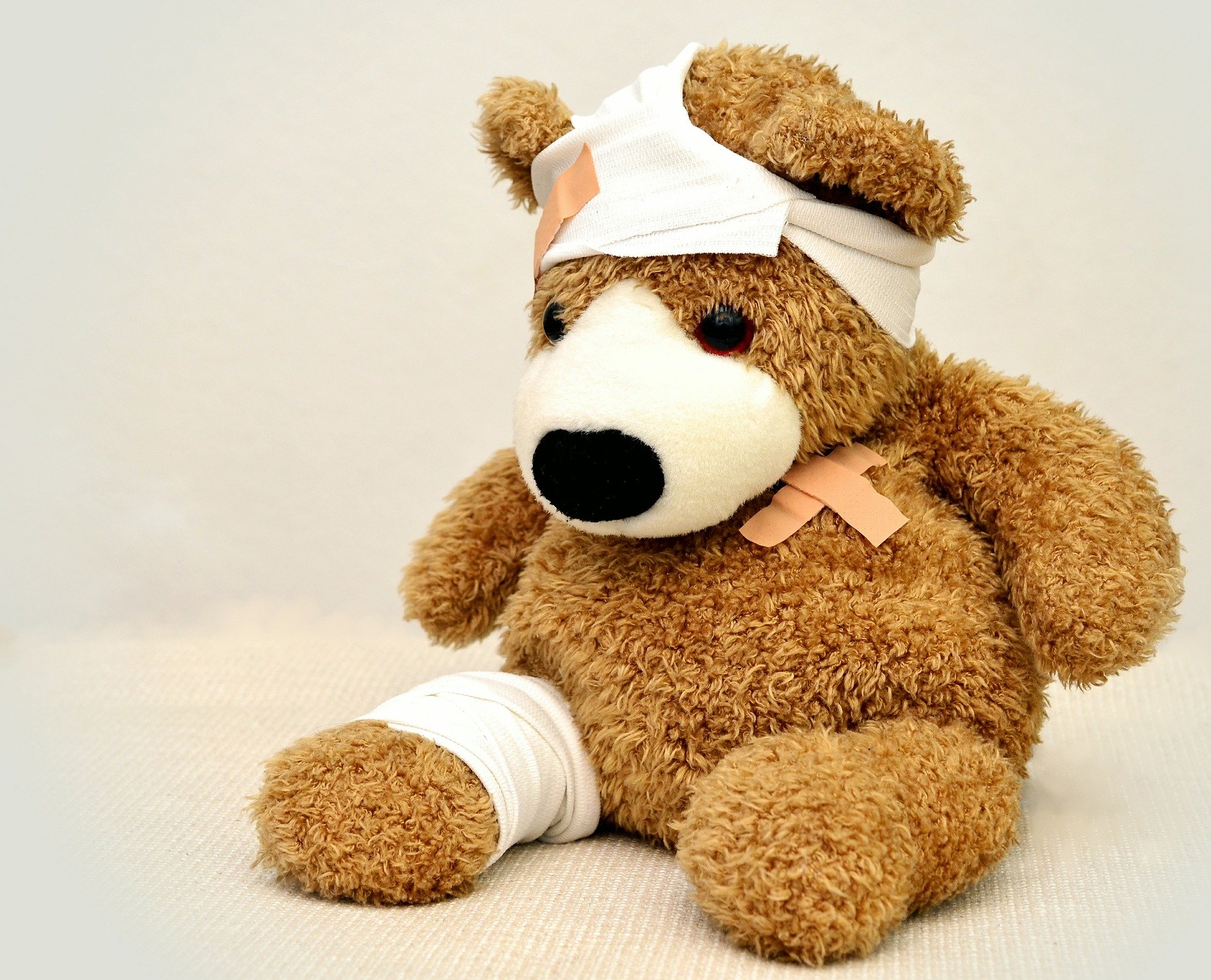
Actionable Strategies You Can Use To Bounce Back From Any Health Crisis
Health-related searches boomed on Google last year. More people than ever before were concerned about their immunity and how to recover from the virus if they got it. The main thrust of their searches was for information on how to bounce back if they got sick. People wanted to know what they could do to get well faster when faced with a health crisis.
However, we shouldn’t forget that during 2020, people faced a range of health crises – not just COVID-19. Injuries, disabilities and chronic diseases also took their toll.
The question is what can the average person do to recover rapidly from a health setback and put their life back on track?
Let’s take a look.
Replenish Your Body

Healthy setbacks can be frustrating. But they’re also a chance for you to review and overhaul your lifestyle.
Remember, the body fundamentally wants to heal. But it can only do so in the right environment. You need to take care of yourself to recover from a health crisis.
Simple changes like improving your food intake and getting plenty of rest can give it a chance to “reset” even if the damage done is permanent.
Get Financial Support
If your health setback wasn’t your fault, you might want to investigate the possibility of getting financial support. The best place to start is with a lawyer.
Be sure to do your research when hiring an attorney. Those at the top of their trades will be able to tell you whether you have a case or not, and how much compensation you’re likely to get.
Move Gently

Getting the blood flowing again is a great way to assist your recovery and get back on your feet. Damaged tissues need a healthy supply of nutrients to repair and heal themselves.
Gentle movement could include things like taking a leisurely stroll or hopping on a cross-trainer. If you’re bed-bound, it could be something as simple as stretching your muscles.
Once you get moving again your body will get used to it and you could start to feel stronger. Strength won’t come straight away you need to build back up to the point you once were. Don’t rush, your body takes time to heal and you could cause more harm than good. Once you get moving again and you feel ready to take on the gym or home workouts then you might want an extra boost from something like testosterone. This can help with muscle mass and definition.
Eliminate Social Obligations
The body tends to recover best when stress is low. That’s why it is so important to limit social and work obligations as much as you can.
Bed rest should mean bed rest – not working on your laptop or having video calls with your friends.
Saying “no” can actually help sometimes. It gives you back control over your life and allows you to avoid slipping back into your hectic schedule. There will be plenty of opportunities to have fun, once you feel better.
Eliminate Blame
While somebody else might be to blame legally for your setback, it doesn’t mean that you have to carry around blame emotionally. That’s just another drag on your recovery.
Letting go of blame is a much healthier way to approach life. Yes – people are sometimes negligent or abusive. But it’s vital to look beyond that for your own wellbeing. Opposing somebody for the sake of it drains your energy and leaves you feeling angry. You don’t want that.
Be More Spiritual
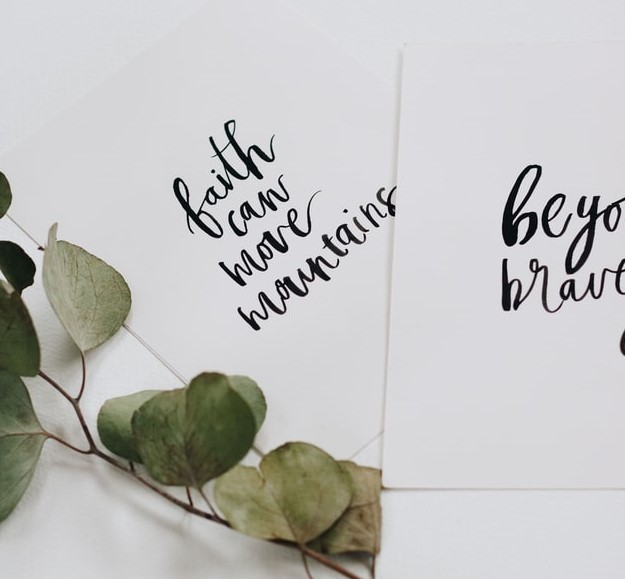
Lastly, being more spiritual can help you put what’s happened into context. Faith can help a lot of people navigate challenging times by reminding them that there’s more to life.