

How to avoid mould growing in your house
None of us want to see mould growing in our house. Not only is it an eyesore, it can also threaten the health and wellbeing of people living there. It can cause anything from respiratory problems, sinus infections, itchy eyes and headaches. It’s particularly dangerous for infants or elderly people. Especially those who have pre-existing health conditions.
As summer closes and we head into the colder months, we also come into mould season. Damp, cold weather is mould’s ideal breeding ground, and it can make its home on pretty much any surface, contrary to popular belief. Fortunately, there are a plenty of ways that you can mould-proof your house.
Improve roof ventilation
A relatively unchecked, humid and stagnant part of the house is the roof ventilation, and it’s the perfect place for mould to get comfy.
Roof ventilation works when air enters through the soffit vents and moves along the underside of the roof sheathing, removing moisture and preventing condensation. If these processes are not working properly, if there is little to no airflow and if there is a high level of indoor humidity, the chances of getting mould are very high. Get an expert in and consider installing handy tools like longtail eave vents that work at decreasing humidity and increasing airflow.
Open the windows
Ventilate your house as much as possible, even during winter, paying close attention to the kitchen and bathroom because that’s where hot air and steam are frequently generated. If you’re concerned about letting the heat out, open your windows wide for a quick 10 minutes to ventilate the house properly.
Keep the kitchen and bathroom doors closed
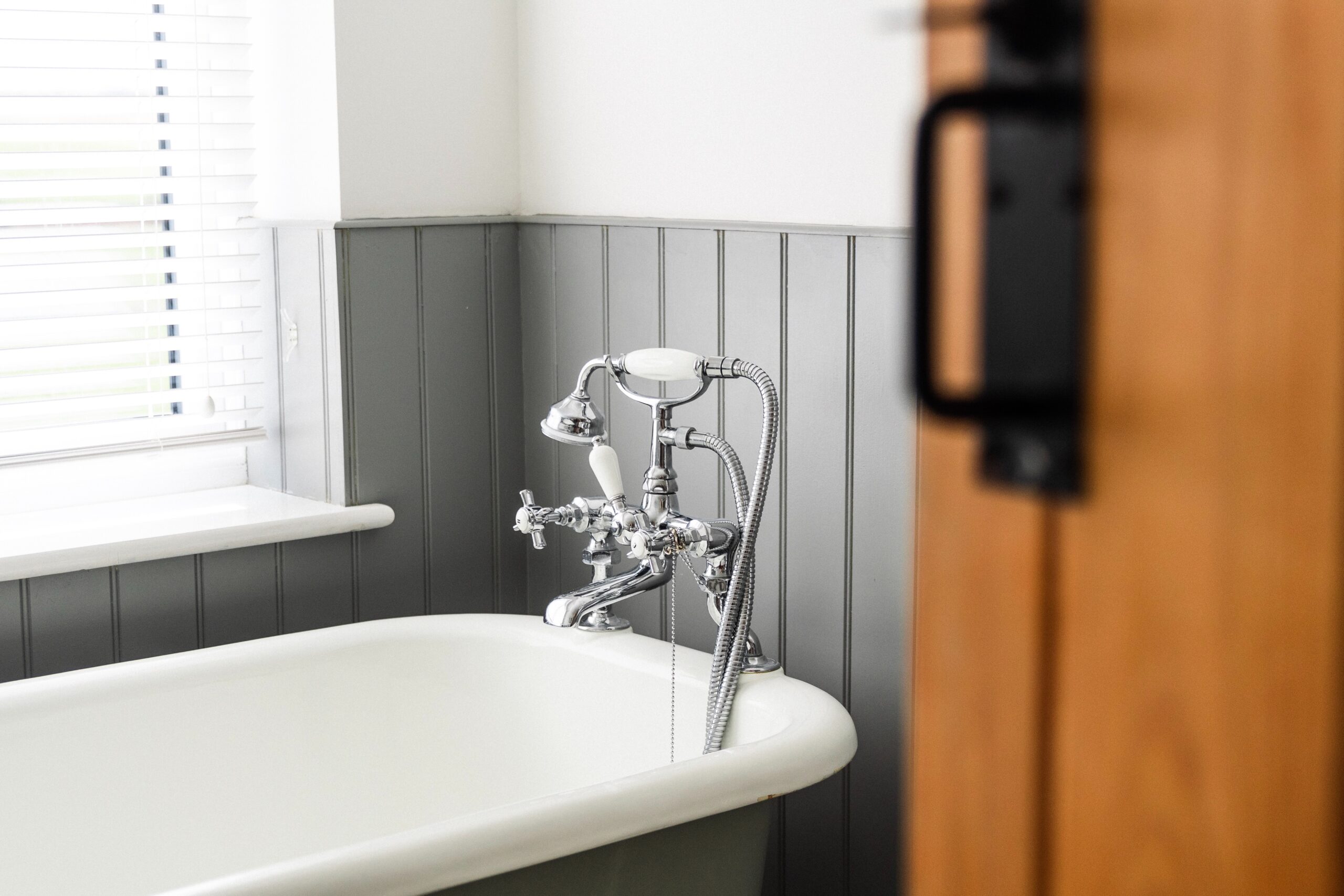
Since they are the most common places for mould, avoid spreading excess moisture and mould particles around the rest of the house by keeping kitchen and bathroom doors closed. Condensation will end up building up over the rest of the house, leading to mould growth.
Avoid drying your clothes inside when possible
It makes sense that drying clothes release moisture, and whilst it might not be as obvious as a hot shower or a boiling kettle, the moisture they release can build up over time. Try to dry your clothes outside if the weather permits, and if you have to dry them inside, consider purchasing a dehumidifier. Make sure to check and clean your dehumidifier regularly, as they can produce moisture too if they’re not running properly.
Clean your roof gutters
Mould is often a produce of a leaky roof, and this can be a by-product of damaged gutters. Make sure to clean your gutters regularly and look out for any repairs that might need doing.