

Is Black Mould Dangerous to Health?
Mould can be found in many places, including buildings and residences. Mould thrives in damp environments, such as around pipe leaks, roofs, or windows, or in areas with flooding. It loves to grow on cardboard, wood goods, ceiling tiles, and paper. Dust, fabric, wallpaper, paints, drywall, insulation, carpet, and upholstery can make all harbour mould.
Causes of Black Mould
Mould is a fungus, and it is a form of fungus. Several mould species with a black colour or dark green are referred to as “black mould.” Stachybotrys chartarum is one such species. Excess moisture is the source of mould. Leaking pipes, increasing dampness in basements or ground floors, and rain seeping in due to damage around window frames or to the roof are all causes of moisture in buildings.
If the water used to construct it is drying out – for instance, in the plaster on the walls – a freshly constructed home may be damp. Condensation can also lead to an excess of moisture indoors. It’s critical to figure out why you have extra moisture in your home if you have mould or dampness. When you know what’s producing the dampness, you may either fix the problem or take action to reduce the amount of moisture in the air. You might need to hire an expert to remove the mould, but if it’s just a tiny quantity, you might be able to do it yourself.
Is Black Mould Dangerous to Health?
Yes, breathing issues, respiratory infections, allergies, and asthma are more likely if you have black mould in your house. The mould can also affect your immune system in a harmful way. When the first signs of mould are found, you should contact a damp surveyor to get expert advice before any treatment is carried out. A damp survey will allow you to understand the danger of the mould and the best way forward to treat it effectively.
How dangerous is Black Mould to Health?
Often known as toxic mould, black mould releases mycotoxins, and it is widely believed that it can cause serious health concerns. Mycotoxins are poisonous chemicals produced by fungi.
According to experts, prolonged exposure to black mould spores can make you more sensitive to breathing or eating mould spores, which can cause health problems.
However, this is not to say that anybody who comes into contact with black mould will become unwell. The elderly, youngsters, and people with pre-existing respiratory diseases like allergies or a weakened immune system, on the other hand, are more likely to have side effects.
Common Symptoms of Black Mould Affecting Your Health
Mould can have various effects on people, and it often goes unnoticed. If you’re allergic to mould, you can notice the following symptoms. If you have an actual mould allergy, these symptoms may be more severe:
Sore throat
Coughing
Wheezing
Runny nose
Nose stuffiness
Skin rash
Red or itchy eyes
Nausea
Headaches or migraines
Congestion
Moulds can trigger asthma attacks in people with asthma and make breathing more difficult for chronic respiratory diseases.
People with compromised immune systems are generally more susceptible to fungal infections, which can include mould-related lung illnesses.
Who Gets Affected?
Some individuals are more sensitive to black mould than others, such as:
People with the compromised immune system, for instance, chemotherapy patients
People with chronic respiratory disease, such as asthma or chronic obstructive pulmonary disorder
Elderly people having skin conditions like eczema
Children and infants
These individuals should avoid dampness and mould.
How to Get Rid of Black Mould?
Identify Mould in Your Home
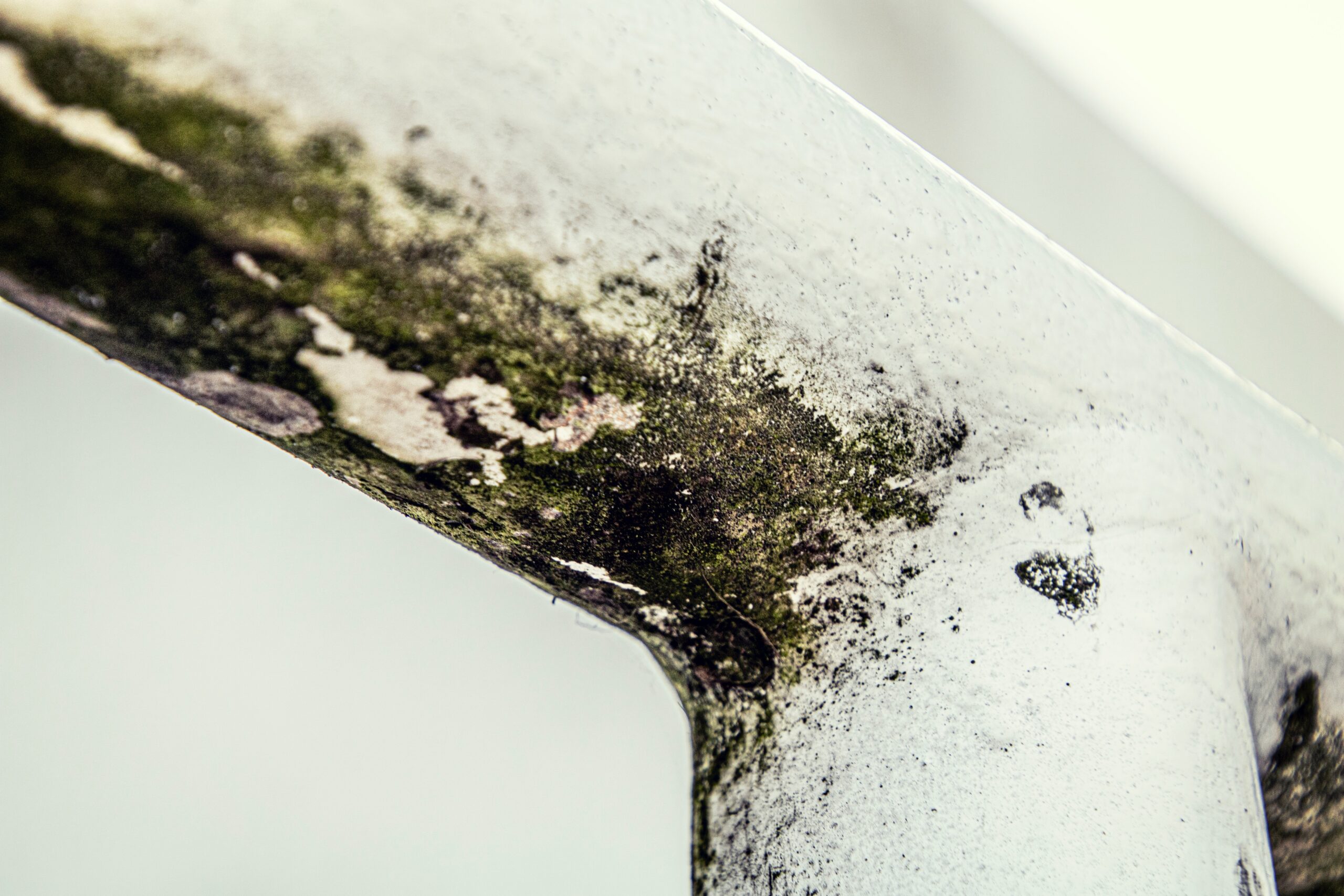
Appearance
Dark patches or clusters in appearance. Spots or grouped growths should be looked for, especially in warm, moist areas.
Smell
There is a musty odour. Mould may have a musty odour that you may detect.
Allergies or Asthma
If you have asthma attacks or allergy symptoms in your house, mould may be present.
Causes that Could Exist
Examine the area for signs of mould growth, such as a leak, water damage, a lack of ventilation, or old food, papers, or wood.
Removing Mould from Your Place
Fix any problems causing mould to grow, and throw away anything that can’t be cleaned that has been contaminated by mould or is contributing to mould growth.
Protect yourself with gloves, mask, rubber boots, and goggles while dealing with the mouldy area. You can also use a mould-resistant suit or disposable clothing if you’re cleaning a lot of moulds. To increase ventilation, open all doors and windows. Remove any items that haven’t been contaminated by mould development from the area. Any goods that can’t be cleaned should be discarded. For example, mould-damaged carpet, drywall, and ceiling tiles should be removed and replaced.
Mould-affected nonporous surfaces should be covered and scrubbed with bleach, detergent or fungicide, and water, then dried. It may be worth removing the wallpaper and starting fresh with some paint in some cases. Work with redecorators who can transform your home, and help you feel comfortable with your surroundings.
Control Mould Growth

You can control the growth of black mould in your home by:
Regulating humidity levels
Repairing leaking windows, pipes, and roofs as soon as possible, untreated leaks can lead to damp and mould.
Cleaning and drying thoroughly after flooding
Ventilate laundry, cooking, shower areas
The Bottom Line
Finally if you suspect black mould is affecting your health problems, it is advised to avoid handling or attempting to address the problem yourself. Especially as this may exacerbate your symptoms. However, when it comes to treating black mould, a damp professional can undoubtedly assist you.