

Planning for smooth extensions and home improvement
There comes a point in many of our lives when planning extensions or improving our home can help us better meet the demands of evolving family life. But it can be daunting facing the upheaval and disruption that this involves. However, with some careful planning, asking the right questions and finding reputable tradespeople, you can transform your home and even improve your life. Here is a guide to embracing home developments smoothly.
1. Plan
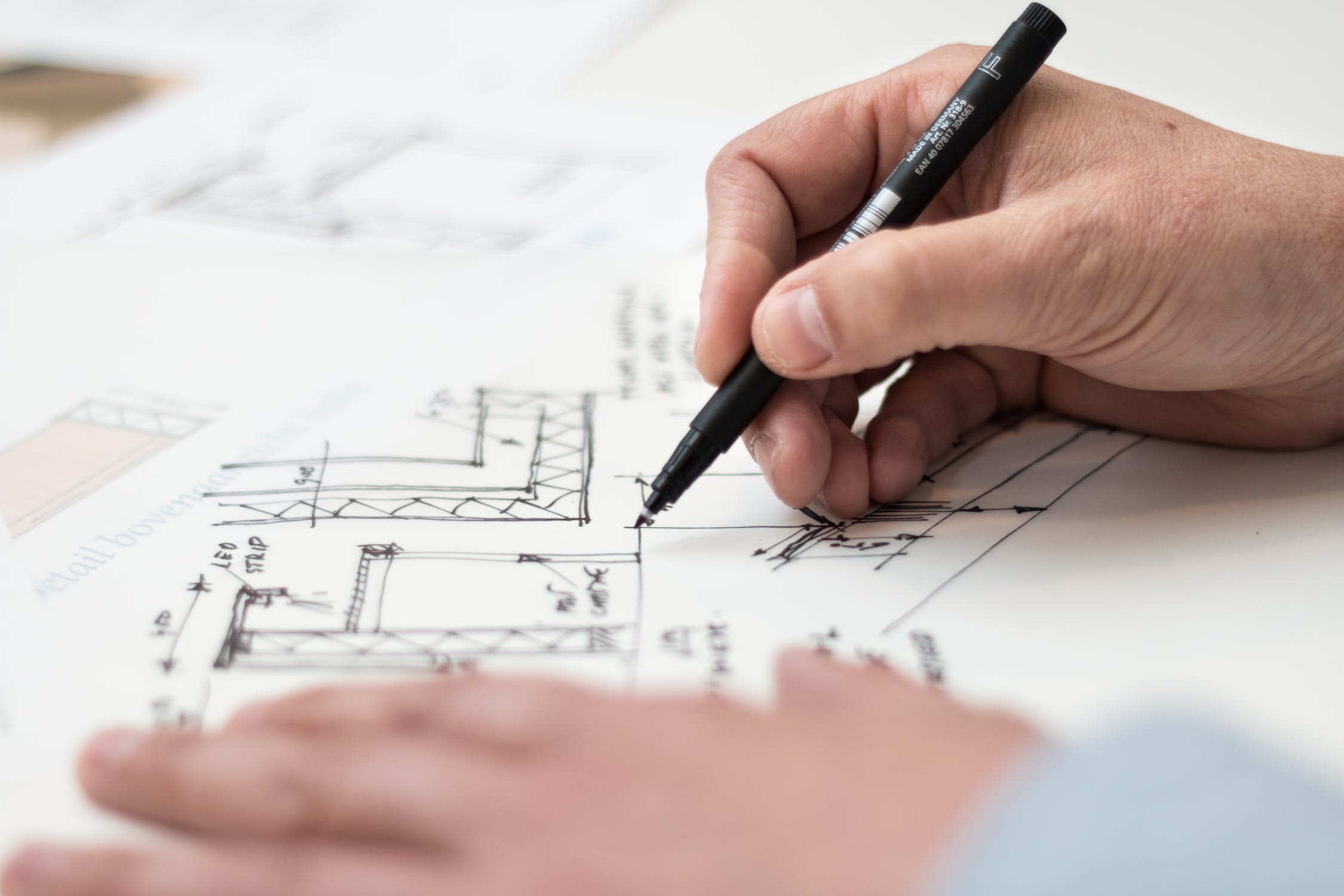
Thinking extensions all through from the offset will pay dividends. There are often frustrations along the way, but good planning will make the path as easy as it can be. So be clear from the start on:
What precisely are you aiming to do? What does the work involve?
Do you need an architect or designer to be sure the plans are structurally safe and making the most of the space?
Are there any access or parking issues for trades and their materials?
Will the work affect a wider area – trees, roots, pipes, local sewers, rights of way?
Will you need planning permission or is it ‘permitted development’? You can visit your local planning office for advice if you are not sure.
Know the Building Regulations (safety aspects covering the structure, fire risks, energy efficient, ventilation etc) – your work will need approval.
Will you be able stay at home through the work?
How much will the work cost? Get a good handful of quotes. Take your time to ensure accurate costings.
2. Scaffolding
There are no clear guidelines as to exactly when you need scaffolding. If you are using a builder or similar tradesmen it is often up to them to determine the risk. Scaffolding is obviously the safe option wherever work is prolonged, up high or involves materials that could fall. Always ensure the erector is fully competent and qualified, such as City & Urban Scaffolding, with erectors holding a valid Construction Industry Record Scheme (CISRS) Card. A good company will advise on all matters, such as whether a licence is required – if any part of the scaffolding is outside the boundary of your house, this is likely. Check the company’s accreditations and reviews and make sure they have public liability insurance. Once the scaffolding is up, it still needs to be checked regularly to ensure it remains safe. As scaffolding is all about safety, you want to get it right.
3. Builder
Getting a reputable builder who you can have a good relationship with will make all the difference. It is worth spending time to get this right. Ask for recommendations from friends or from houses where you see quality workmanship. Always get multiple quotes. Don’t assume the cheapest is the best. You know what they say about things that are too good to be true. If you are having major work done, it might be worth going to see some of a preferred builder’s previous work or speaking directly to the homeowners. Check out builders’ accreditations and reviews and the many sites that vet tradesmen. Other things to consider are:
Ask them about the Building Regulations for any extensions you plan.
Find out what insurance your builder has. Builders often only have liability insurance, which in the event of a claim will only cover you if you can prove the builder is at fault. It won’t cover any weather or natural issues. You should have your own site insurance too.
Do they have any warranties for their work?
Not critical, but if they have a network of other trades such as electricians and plumbers, this can be incredibly useful. However you may want to check these trades for yourself as well to be sure.
4. Finances

Obviously you need to cost as part of your initial plan to ensure you can afford the work. But financing home improvements will feature throughout the work. You should never pay everything upfront, as you need your trades to have some incentive to complete the work. So final payments are best paid after completion.
It is a good idea to use online building cost calculators in addition to the quotes from your trades. These can help to give you a sense of all the different expenditure you will incur – and there may be plenty of things you did not think or know about. They can also help you to work out the payment stages through the process. You may want to discuss with your builder if there are any materials at different stages of the build that you will need to pay for directly.
And of course, always allow a contingency budget. It can be very hard to predict precise costings, especially in more complex projects. You need to know you have some extra resources for any problems or delays that are encountered.
It can be a bit stressful whilst the home improvements and extensions are being done, but being aware of the issues, and planning carefully will help. Especially in bigger jobs, it is good to break the process in to stages. It helps not just financially, but psychologically too. And at the end, you will have an enhanced home that all the family can all enjoy and benefit from. The planning and building work will be a distant memory!